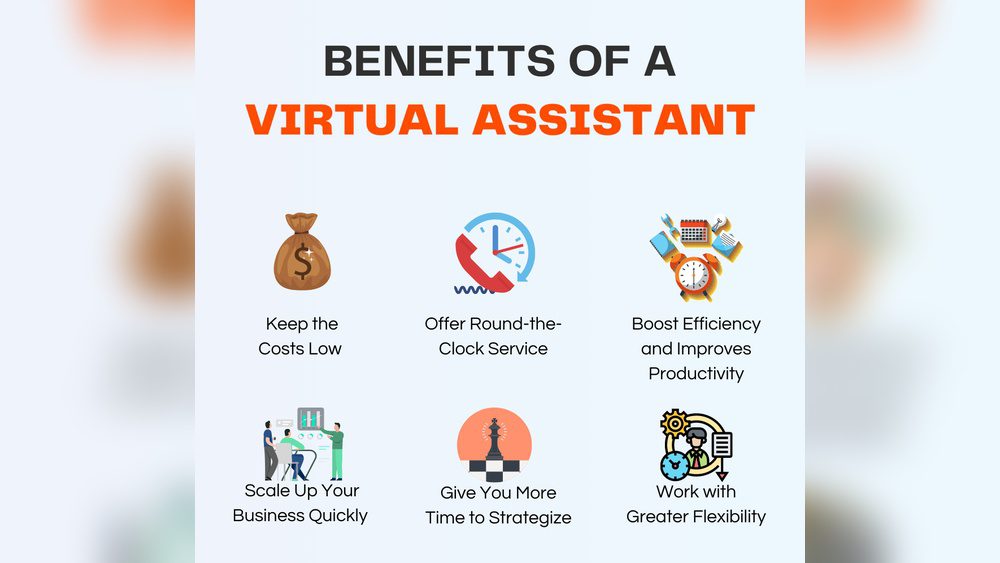
Do you want to work from home and help others? Starting a virtual assistant business is a great way. This guide will teach you how to start a virtual assistant business in simple steps. You will learn what you need, where to find clients, and how to use platforms like Time Etc. Let’s get started!
What is a Virtual Assistant?
A virtual assistant, or VA, is someone who helps businesses or busy people online. You can do tasks like answering emails, scheduling meetings, or managing social media. You do all this work from your computer at home.
Why Start a Virtual Assistant Business?
- Work from anywhere: You only need a computer and internet.
- Flexible hours: You choose when to work.
- Help others: You support businesses and make their lives easier.
- Low startup cost: You don’t need much money to begin.
Step 1: Decide What Services to Offer
Think about what you are good at and what you like to do. Here are some popular services virtual assistants offer:
- Email management
- Scheduling appointments
- Social media posting
- Data entry
- Customer support
- Writing and editing
Pick a few services you want to provide. It is better to start with what you know well.

Credit: www.youtube.com
Step 2: Get the Right Tools
You need some tools to work well as a virtual assistant. Here are the basics:
- Computer: A laptop or desktop with internet.
- Internet connection: Fast and reliable.
- Software: Email apps, calendar tools, and word processors.
- Communication tools: Zoom, Skype, or Slack for meetings.
- Payment methods: PayPal, bank account, or other ways to get paid.
Step 3: Set Your Prices
Think about how much you want to earn. You can charge by the hour or by the task. Look at what other virtual assistants charge to get an idea.
Remember, at the start, you might want to charge less to get clients. You can raise prices later as you gain experience.
Step 4: Create Your Business Identity
Make your business look professional. Here are some tips:
- Choose a business name that is easy to remember.
- Create an email address with your business name.
- Make a simple website or a social media page to show your services.
- Prepare a resume or portfolio showing your skills and experience.
Step 5: Find Clients
To start your virtual assistant business, you need clients. Here are some ways to find them:
- Ask friends and family: Tell them about your service.
- Join online job sites: Use sites like Upwork, Fiverr, or Freelancer.
- Use virtual assistant platforms: Time Etc is a great example.
- Network online: Join Facebook groups or LinkedIn communities for VAs.
Why Choose Time Etc for Your Virtual Assistant Business?
Time Etc is a popular platform to help you start and grow your VA business. Here’s why:
| For Businesses | For Virtual Assistants |
|---|---|
| Provides straightforward, consistent support | Offers flexibility and a supportive team |
| Includes a satisfaction guarantee | Allows you to choose your working hours |
| May not suit those needing specialized skills | Compensation depends on hours worked |
| Not ideal for highly flexible hours needs | Pay can be inconsistent based on workload |
If you want a steady place to work and grow, Time Etc is a solid choice. It helps new VAs get started with support and training. Learn more about Time etc.
Step 6: Build Your Skills
To be a great virtual assistant, keep learning. Here are some ideas:
- Take online courses on communication and software tools.
- Practice typing and data entry speed.
- Learn about social media platforms.
- Improve your time management skills.
Better skills mean happier clients and more work for you.
Step 7: Manage Your Business Well
Running a virtual assistant business means you must be organized. Here’s what you should do:
- Keep track of your clients and tasks using a planner or app.
- Set clear deadlines and communicate with clients often.
- Save your earnings and pay taxes if needed.
- Ask clients for feedback and improve your services.
Common Questions About Starting a Virtual Assistant Business
How Much Can I Earn As A Virtual Assistant?
You can earn $15 to $50 per hour depending on skills and experience.
Do I Need Special Training?
No, but taking online courses helps you stand out.
Can I Work Part-time?
Yes! Virtual assistant jobs are often flexible for part-time work.
Is Time Etc Good For Beginners?
Yes. Time Etc supports new VAs with training and a team.
Summary: How to Start a Virtual Assistant Business
Starting a virtual assistant business is simple. Follow these key steps:
- Decide what services you will offer.
- Get the right tools and software.
- Set fair prices for your work.
- Create a professional business identity.
- Find clients using job sites or platforms like Time Etc.
- Keep learning new skills to improve.
- Organize your work and communicate well with clients.
With patience and effort, your virtual assistant business will grow. Start today and enjoy working from home!
Credit: firstsiteguide.com
Final Tips for Success
- Be reliable: Always deliver work on time.
- Communicate clearly: Keep clients updated.
- Stay positive: Learn from mistakes and improve.
- Use platforms like Time Etc: They offer great support.
Thank you for reading this guide on how to start a virtual assistant business. Take the first step today and enjoy your new career!
Frequently Asked Questions
What Skills Do I Need To Start A Virtual Assistant Business?
Good communication, organization, and basic tech skills are essential to start as a virtual assistant.
How Much Can I Earn As A Virtual Assistant?
Earnings vary, but beginners typically make $15 to $30 per hour depending on skills and clients.
How Do I Find Clients For My Virtual Assistant Services?
Use online job boards, social media, and networking to connect with potential clients easily.