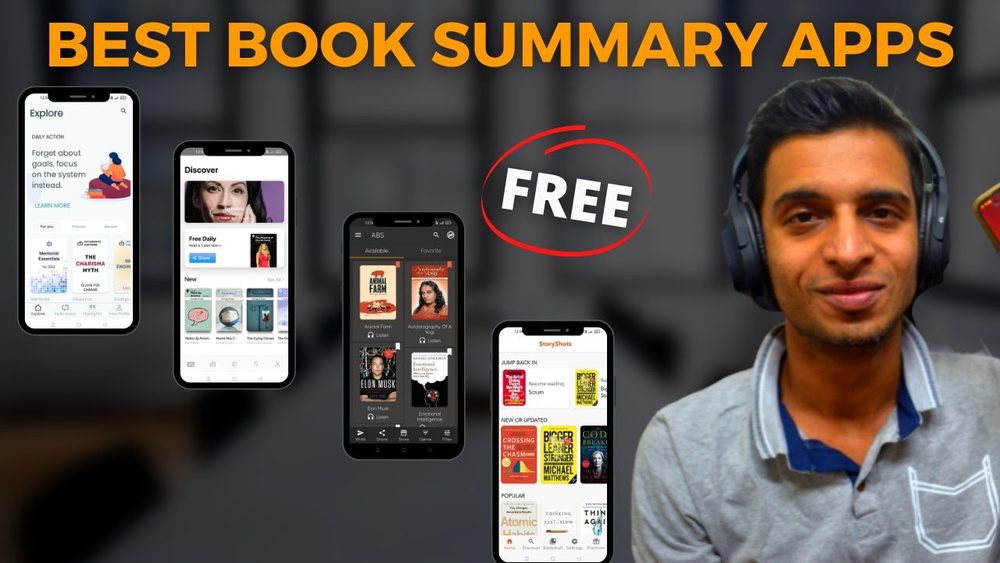
Looking to get more from every book without spending hours reading? The best book summary apps can save you time and boost your learning by delivering key ideas in minutes.
Whether you want quick insights from top bestsellers or deep, detailed breakdowns to truly master a topic, there’s an app designed just for your needs. You’ll discover which apps stand out for speed, depth, audio options, and even visual learning.
Ready to unlock knowledge faster and smarter? Keep reading to find the perfect book summary app that fits your style and goals.
Top Book Summary Apps
Top book summary apps help readers save time and learn faster. They offer key ideas from popular books in short formats. These apps suit busy people who want to gain knowledge without reading full books. Each app has unique features to match different learning styles and goals.
Explore the best book summary apps that provide quick insights, deep learning, and varied formats. Find the right app to fit your reading habits and preferences.
Blinkist For Quick Insights
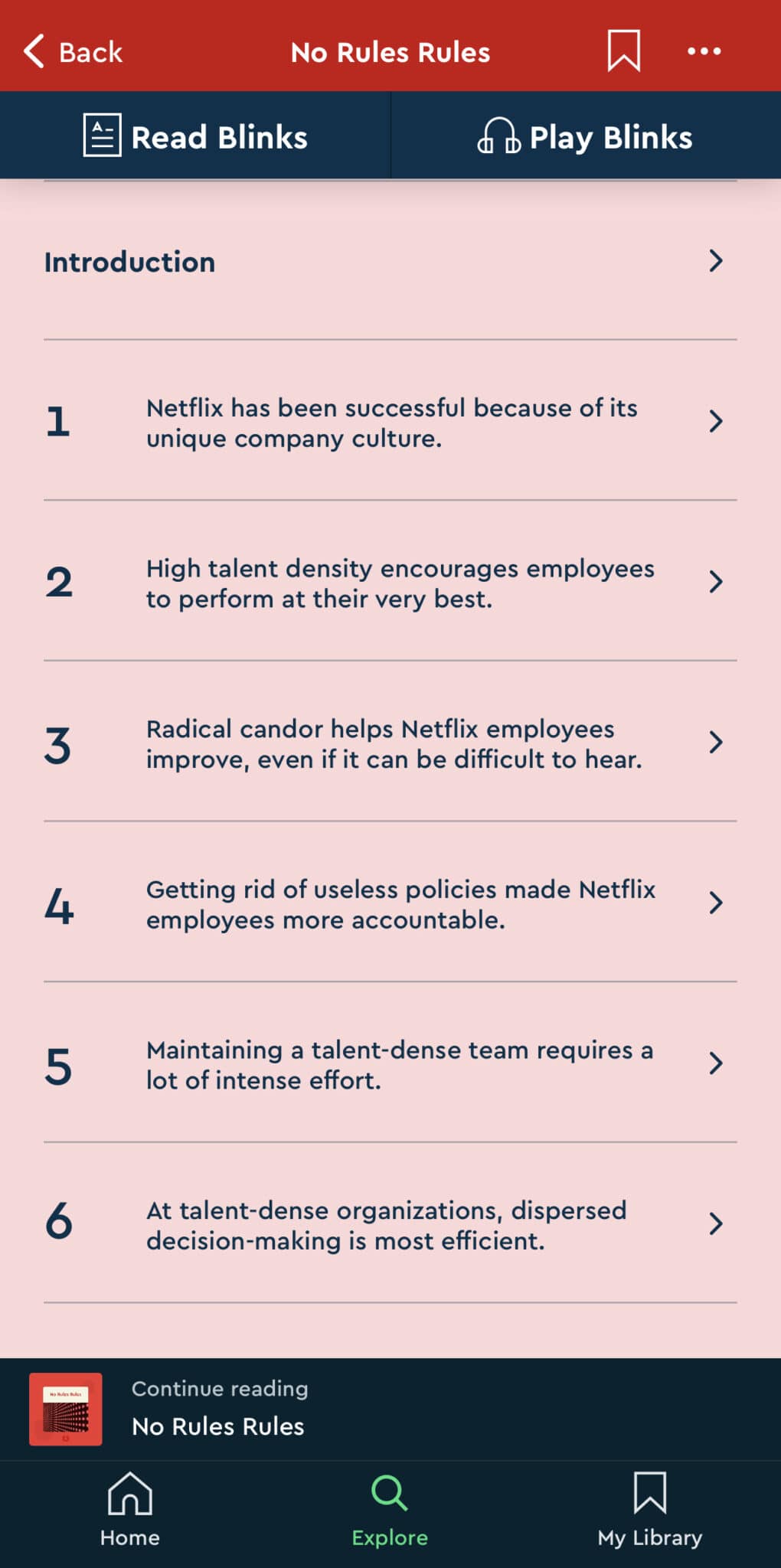
Blinkist offers concise summaries of thousands of nonfiction books. Each summary takes about 15 minutes to read or listen to. It focuses on main ideas, making it ideal for fast learning. The app has a clean design and offline access. Blinkist suits users who want quick knowledge bursts.
Shortform For Deep Learning
Shortform provides detailed summaries and analysis of popular books. It includes expert commentary, guided questions, and examples. The app helps readers understand concepts deeply and connect ideas. Shortform works well for learners who want more than just summaries. It supports serious study and critical thinking.
Instaread’s Dual Format
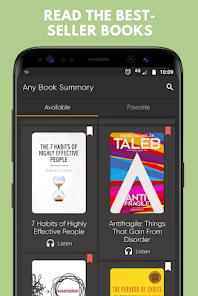
Instaread offers summaries in text and audio formats. It covers nonfiction and fiction titles. Users can read summaries or listen on the go. Instaread highlights key points and lessons clearly. This app is perfect for those who like flexibility in how they consume content.
Storyshots’ Microlearning
StoryShots uses a microlearning approach with short text, audio, and animated summaries. It breaks down complex ideas into easy parts. The app helps users retain knowledge better through varied formats. StoryShots is great for visual and audio learners who want quick, engaging content.
Getabstract For Professionals
getAbstract targets business and professional readers. It offers summaries of business books, reports, and articles. The app focuses on practical insights and strategies. getAbstract helps busy professionals stay updated with the latest ideas. It supports career growth and leadership development.
Headway’s Visual Approach
Headway uses visuals and infographics to present book summaries. It makes key ideas easy to understand at a glance. The app offers daily summaries and progress tracking. Headway suits users who prefer learning through images and short texts. It encourages regular reading habits.
Sumizeit And Synopsia Features
Sumizeit delivers clear, concise summaries with audio options. It covers various categories like self-help and business. Synopsia focuses on animated video summaries that bring books to life. Both apps offer free and premium content. They cater to users who want engaging and flexible learning styles.
Choosing The Right App
Choosing the right book summary app makes a big difference in your reading experience. Each app offers unique features suited for different types of learners. Consider your learning style and preferences before selecting one. This helps you get the most value and enjoy the content.
Matching App To Learning Style
Some apps focus on quick summaries, while others provide deep analysis. Choose an app that fits how you learn best. Visual learners might prefer apps with charts and highlights. Those who like detailed explanations may want apps with expert commentary. Pick the style that keeps you engaged and motivated.
Free Vs Paid Options
Many apps offer both free and paid versions. Free versions usually have limited content or features. Paid options often give access to full libraries and extra tools. Decide how much you want to invest based on your reading goals. Even free apps can be useful for casual reading.
Audio Vs Text Preferences
Some users enjoy listening to summaries while on the go. Audio summaries help with multitasking and improve retention for auditory learners. Others prefer reading text to take notes or go at their own pace. Choose an app that supports your preferred format or offers both for flexibility.
Fiction And Nonfiction Coverage
Not all apps cover both fiction and nonfiction books. Some focus on business, self-help, or nonfiction topics only. Others include popular fiction titles and classics. Check the app’s library to ensure it covers your favorite genres. This prevents missing out on summaries you want to read.
Key Features To Compare
Choosing the best book summary app means understanding the features that matter most. These apps vary in how they present content, ease of use, and extra tools. Comparing key features helps find the right fit for your reading style and learning goals.
Summary Depth And Detail
Some apps offer brief overviews, while others provide thorough explanations. Depth matters if you want to grasp complex ideas fully. Detailed summaries include examples, quotes, and key arguments. Short summaries save time but might miss important points.
Multi-format Availability
Access to summaries in different formats improves flexibility. Text, audio, and video options suit various preferences. Audio summaries allow learning on the go. Video or animated formats can help with difficult topics. Check if the app supports your preferred format.
User Interface And Experience
A clean, simple interface makes navigation easy. Look for apps with clear menus and fast loading times. Features like bookmarks, highlights, and notes enhance usability. A good user experience encourages regular use and better learning.
Additional Learning Tools
Extra tools boost your understanding and retention. Some apps include quizzes, flashcards, or discussion forums. Guided questions help reflect on the material. Personalized recommendations can keep learning fresh and targeted. These tools add value beyond basic summaries.
Credit: play.google.com
Using Summary Apps Effectively
Using book summary apps can boost your learning and save time. These apps give you quick insights from many books. To get the best results, you need a clear plan. Knowing how to use these apps well helps you remember and apply what you learn. The following tips show how to make the most of summary apps every day.
Setting Learning Goals
Start by choosing what you want to learn. Set simple, clear goals for each session. Goals keep you focused and motivated. For example, decide to learn about leadership or health. This guides your choice of summaries. Clear goals help turn reading into a habit.
Incorporating Summaries Into Routine
Make summary reading part of your daily life. Use short times like commuting or breaks to read summaries. Consistency builds strong learning habits. Try to read or listen to summaries every day. This keeps your mind active and growing. Small daily steps lead to big knowledge gains.
Combining With Full-text Reading
Use summaries as a starting point, not the only source. If a summary interests you, read the full book. Summaries give main ideas quickly. Full books give deeper understanding and details. This mix helps you learn fast and well. Balance summaries with full reading for best results.
Applying Takeaways Practically
Put what you learn into real life. Think about how book ideas fit your work or goals. Try new tips or methods from summaries. Action helps you remember and benefit from learning. Write notes or set reminders to use key points. Practice turns knowledge into useful skills.
Emerging Trends In Book Summaries
Book summary apps evolve quickly to meet readers’ changing needs. New features make learning faster and more enjoyable. These apps now use technology to help users absorb information better. The trends focus on interaction, personalization, and efficiency. This section explores the latest developments in book summary apps.
Interactive And Animated Content
Static text is no longer enough to hold attention. Many apps now include animations and interactive elements. Visual aids help explain complex ideas clearly. Users can engage with quizzes and clickable summaries. This approach makes learning active, not passive. Animated content also helps users remember key points better.
Personalized Recommendations
Apps analyze reading habits to suggest relevant summaries. Personalization saves time by offering books that match interests. Algorithms learn from user feedback and choices. This creates a unique reading experience for each user. Personalized lists keep users engaged and motivated to read more.
Integration With Other Learning Platforms
Book summary apps now connect with educational tools and platforms. Users can sync progress and notes across apps. This integration supports a seamless learning journey. It allows users to combine book summaries with courses and podcasts. Such connections enhance knowledge retention and application.
Speed Reading Enhancements
Speed reading tools are built into many summary apps. Features include adjustable reading pace and highlighting key phrases. These tools help users process information faster. Some apps offer audio summaries at variable speeds. Speed reading enhancements make learning efficient and flexible.
Credit: ilampadmanabhan.medium.com
Credit: divbyzero.com
Frequently Asked Questions
Which Is The Best Free Book Summary App?
Shortform ranks best for detailed, in-depth book summaries. Blinkist offers quick summaries of popular titles. Instaread and StoryShots provide text and audio formats, including fiction. Headway uses visuals and actionable takeaways. Choose based on your learning style and summary depth preference.
Is Blinkist Or Headway Better?
Blinkist offers quick, concise summaries of bestsellers, ideal for fast learning. Headway uses visuals and actionable takeaways, enhancing comprehension. Choose Blinkist for speed, Headway for visual, practical insights.
What Is The Best App For Listening To Book Summaries?
Blinkist offers quick summaries of bestsellers with audio guides. Shortform provides detailed, in-depth analyses for deeper understanding. Instaread covers both fiction and nonfiction in text and audio. Headway uses visuals and actionable takeaways. Choose based on your learning style and summary depth preference.
Conclusion
Choosing the best book summary app depends on what you need. Shortform suits those wanting detailed insights and deep learning. Blinkist works well for quick, easy-to-digest summaries of popular books. Instaread offers both text and audio formats for fiction and nonfiction lovers.
StoryShots adds variety with animations and microlearning styles. Each app helps save time while gaining knowledge. Try a few to find which fits your reading habits best. Reading summaries can boost your learning every day.