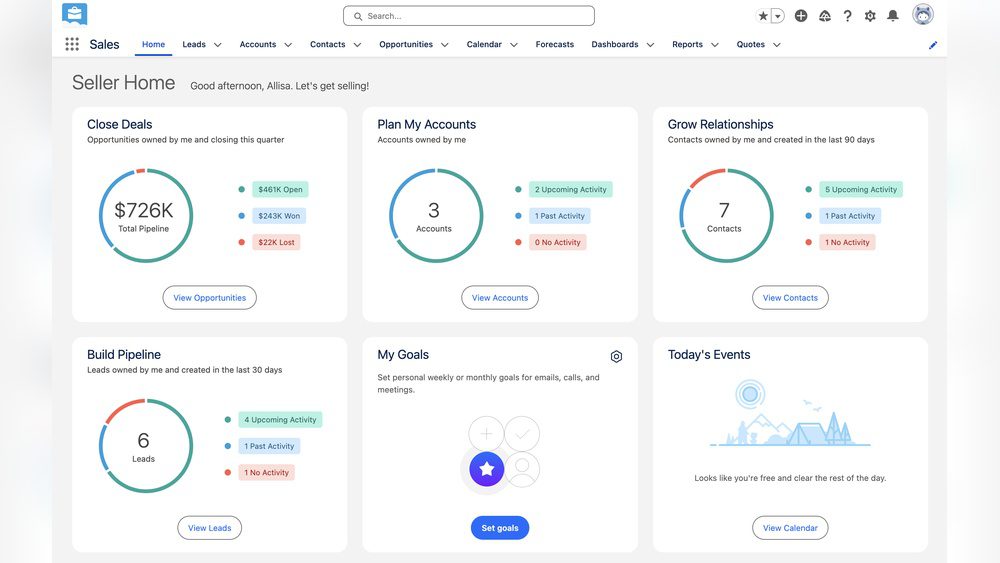
Choosing the right CRM can make or break your business growth. If you’re torn between Salesforce and HubSpot, you’re not alone.
Both platforms promise to boost your sales, streamline your marketing, and improve customer relationships—but which one truly fits your needs? Whether you’re a startup in Austin, Texas, or a growing company anywhere else, understanding the key differences can save you time, money, and headaches.
Keep reading to discover which CRM aligns best with your goals, budget, and technical comfort, so you can make a confident choice that drives success.
Platform Customization
Platform customization plays a key role in choosing the right CRM. It allows businesses to tailor the system to their unique needs. Customization improves efficiency and user adoption. Both Salesforce and HubSpot offer customization but in different ways. Understanding their capabilities helps pick the best fit for your business.
Salesforce Customization Options
Salesforce provides deep customization for complex business processes. Users can create custom objects, fields, and page layouts. It supports custom workflows and automation using Process Builder and Flow Builder. Salesforce also allows coding with Apex and Visualforce for advanced needs. The platform offers a large marketplace called AppExchange. It has thousands of third-party apps to extend functionality. Developers can build custom apps using Salesforce’s robust APIs. This level of customization suits large enterprises with specific requirements.
Hubspot Customization Capabilities
HubSpot focuses on simplicity and ease of use in customization. Users can customize contact properties and deal stages to fit sales processes. It offers drag-and-drop editors for landing pages, emails, and forms. HubSpot’s workflows enable automation but with fewer complex options than Salesforce. The platform includes an app marketplace with useful integrations. HubSpot also supports custom code actions within workflows for added flexibility. This setup works well for small to medium businesses seeking straightforward customization.
User Experience
User experience plays a crucial role in choosing the right CRM platform. It affects how quickly teams can adapt and how efficiently they work daily. Both Salesforce and HubSpot focus on user experience but differ in design and usability. Understanding these differences helps decide which tool fits your business needs best.
Salesforce Ease Of Use
Salesforce offers a powerful platform with many features. This power comes with a learning curve. New users may find it complex at first. The interface includes multiple dashboards and settings. Customization options require time to master. Training is often necessary to use it well. Once learned, it supports complex business processes effectively. Large teams with dedicated admins benefit most. The platform is flexible but demands effort to navigate smoothly.
Hubspot User Interface
HubSpot shines with a clean, simple design. Its interface is intuitive and easy to use. Users can start quickly without much training. The dashboard is straightforward and visually clear. Tools are organized logically for quick access. This simplicity helps small to medium businesses save time. It integrates marketing, sales, and service in one place. HubSpot’s user-friendly design reduces frustration and speeds adoption. Many users find it more approachable than Salesforce.
Pricing Models
Pricing models play a crucial role in choosing the right CRM platform. They affect how much you pay and what features you get. Understanding the pricing structure helps you plan your budget effectively. Salesforce and HubSpot have different approaches to pricing. Each offers various plans to suit different business needs and sizes.
Salesforce Pricing Tiers
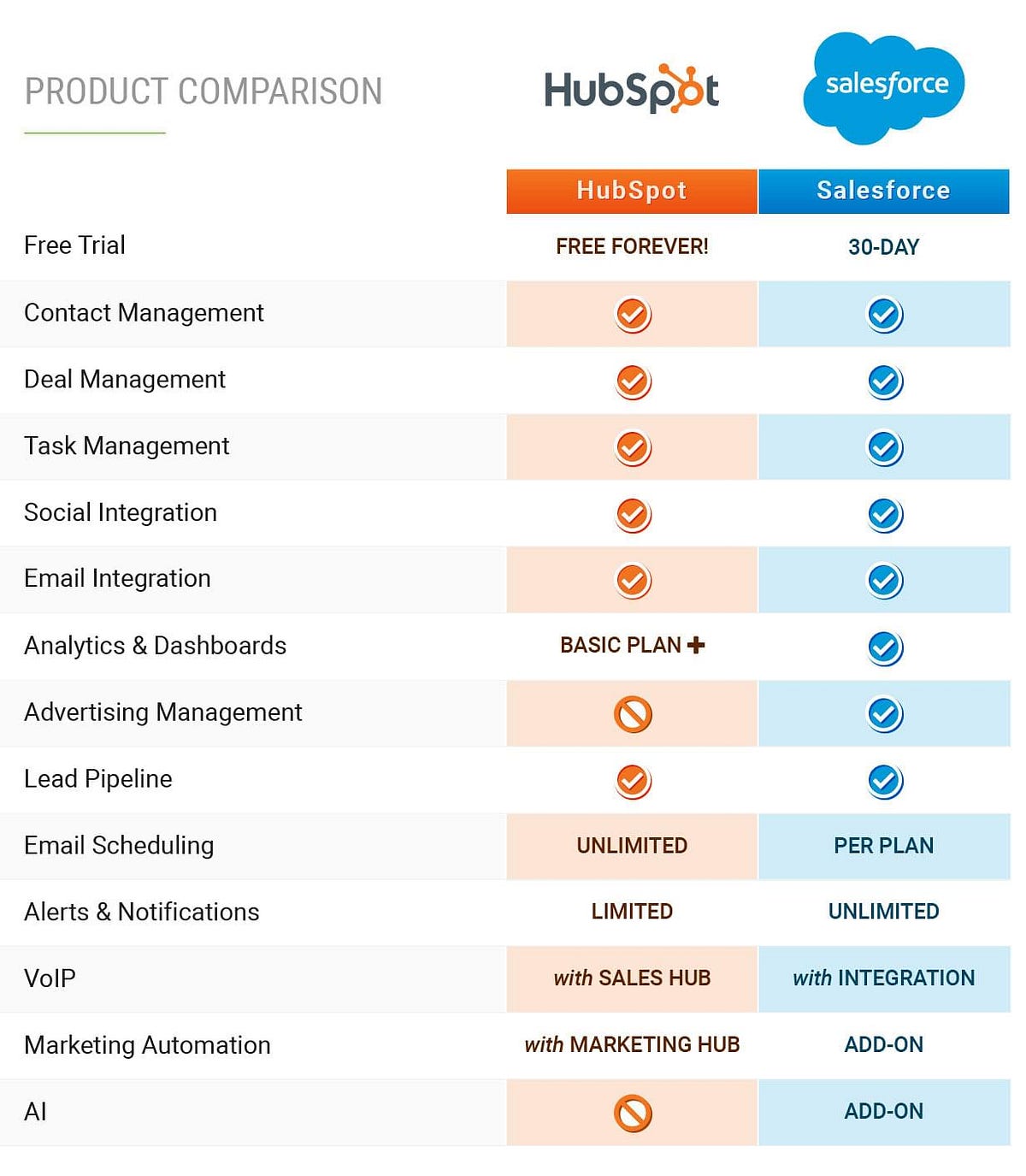
Salesforce pricing is based on subscription tiers. Each tier unlocks additional features and capabilities. The most common plans include Essentials, Professional, Enterprise, and Unlimited. Essentials is designed for small businesses with basic CRM needs. Professional offers more customization and automation tools. Enterprise is suitable for larger companies requiring advanced features. Unlimited provides full access to all Salesforce tools and premium support. Pricing varies depending on the plan and number of users. Salesforce also charges extra for add-ons and integrations.
Hubspot Free And Paid Plans
HubSpot offers a free CRM plan with essential features. This plan is ideal for startups and small teams. It includes contact management, email tracking, and basic reporting. HubSpot’s paid plans expand with Marketing, Sales, and Service Hubs. These plans are priced per month and scale with features. Starter plans unlock more automation and team tools. Professional plans add deeper analytics and custom reporting. Enterprise plans target large businesses with advanced needs. HubSpot also allows mixing hubs to match specific requirements. The free tier helps businesses start without upfront costs.
Credit: medium.com
Scalability And Growth
Scalability and growth are crucial factors when choosing a CRM platform. Businesses need software that evolves with their needs. Both Salesforce and HubSpot offer scalable solutions. Each platform suits different business sizes and growth stages. Understanding their strengths helps make the right choice for your company’s future.
Salesforce For Large Enterprises
Salesforce is designed for large enterprises with complex requirements. It supports extensive customization to fit unique business processes. The platform handles high volumes of data and users without performance loss. Salesforce offers advanced tools for automation and analytics. Its ecosystem includes thousands of third-party apps to extend functionality. This flexibility allows businesses to grow without outgrowing their CRM. Enterprises benefit from robust security and compliance features. Salesforce can support global operations with multi-currency and multi-language options.
Hubspot For Smbs
HubSpot targets small and medium-sized businesses (SMBs) seeking simplicity and ease of use. It provides an all-in-one platform for marketing, sales, and customer service. HubSpot offers a free CRM tier, making it accessible for startups and growing companies. The platform scales smoothly by adding paid features as business needs increase. Its intuitive interface reduces training time and adoption barriers. HubSpot integrates well with popular tools to streamline workflows. SMBs can manage growth effectively without complex setup or high costs.
Integration Ecosystem
The integration ecosystem plays a key role in choosing a CRM platform. It determines how well the software connects with other tools your business uses. Strong integration options save time and improve workflow efficiency.
Both Salesforce and HubSpot offer extensive marketplaces filled with apps. These apps help extend CRM capabilities and tailor the platform to specific business needs. The size and variety of these marketplaces differ.
Salesforce Appexchange
Salesforce AppExchange hosts thousands of apps and integrations. It is one of the largest CRM app marketplaces worldwide. You can find tools for marketing, sales, customer service, finance, and more.
Many apps on AppExchange offer deep customization. This helps large enterprises meet complex business requirements. The ecosystem supports custom-built solutions and third-party apps alike.
AppExchange apps undergo strict security and quality checks. This ensures reliable performance and data safety. The marketplace also features user reviews and ratings to guide your choice. You can also read this article to know more about Salesforce.
Hubspot Marketplace
HubSpot Marketplace offers a growing collection of apps and integrations. It focuses on ease of use and seamless connection with HubSpot’s core tools. The marketplace supports marketing, sales, customer service, and operations.
Many HubSpot apps emphasize simplicity and quick setup. Small and medium businesses benefit from easy integration without heavy technical work. HubSpot also provides native integrations with popular tools like Gmail and Slack.
The marketplace allows businesses to add features as they grow. It helps keep the CRM flexible and scalable. HubSpot regularly updates its marketplace to include new and useful apps.
Credit: medium.com
Ai And Automation Features
AI and automation features play a crucial role in modern CRM platforms. They help businesses save time, reduce errors, and improve customer experiences. Both Salesforce and HubSpot offer AI tools, but their depth and complexity differ greatly. Understanding these differences helps businesses choose the right platform for their needs.
Salesforce Advanced Ai Tools
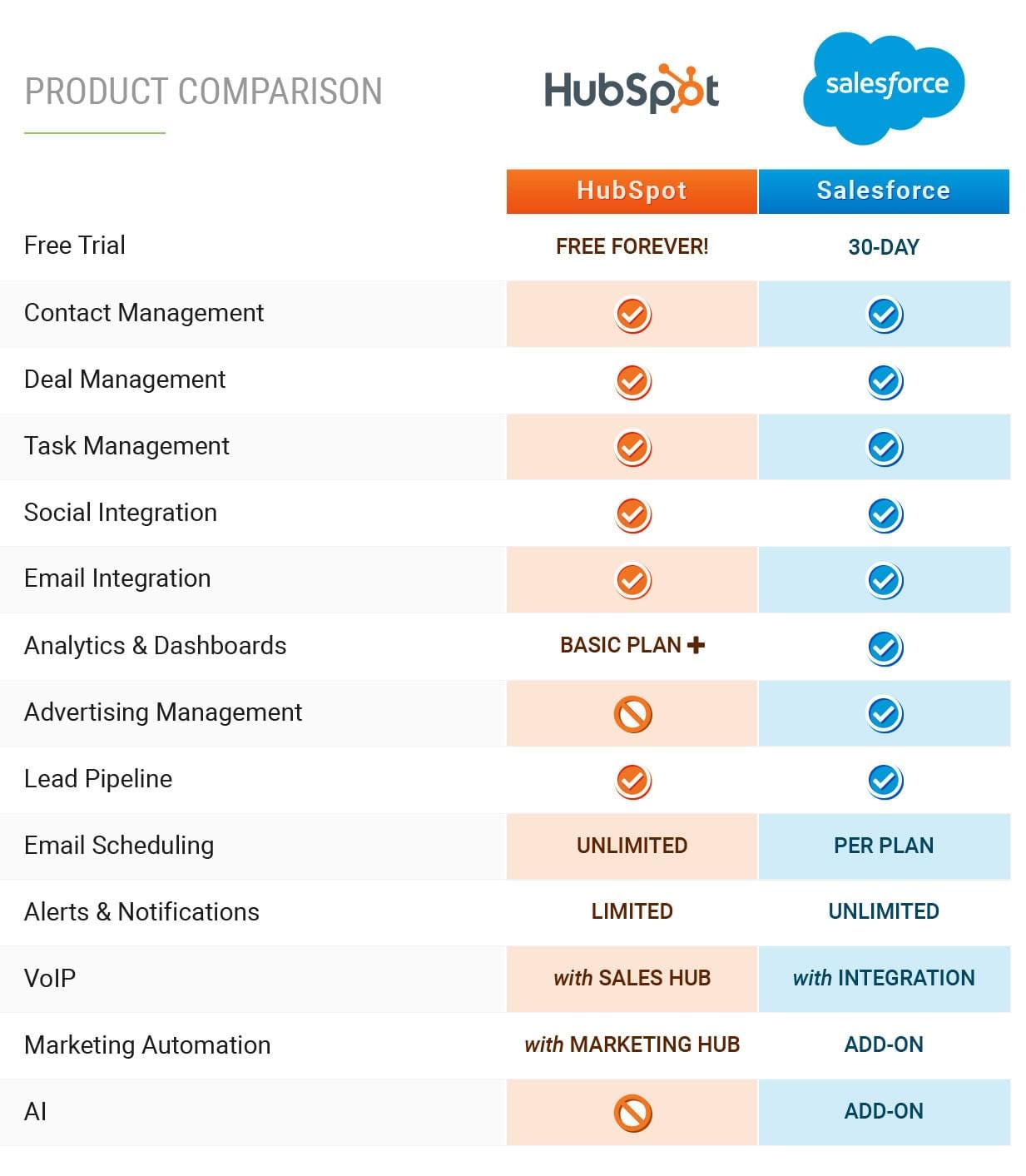
Salesforce provides robust AI tools through its Einstein platform. Einstein uses machine learning to deliver predictions and recommendations. It helps sales teams prioritize leads and close deals faster. Automated workflows streamline repetitive tasks without manual input. The AI also offers deep insights from customer data. This supports smarter marketing and personalized customer service. Salesforce AI integrates well with other business apps. It suits large businesses needing complex automation and advanced analytics.
Hubspot Basic Ai Capabilities
HubSpot offers simple AI features aimed at small to medium businesses. Its AI tools help with email subject line suggestions and content optimization. HubSpot automates basic tasks like lead scoring and follow-up reminders. The system provides helpful chatbots for customer support. Its AI tools focus on ease of use and quick setup. HubSpot’s automation fits businesses with straightforward sales and marketing needs. It is ideal for teams without technical expertise or large budgets.
Ideal Business Profiles
Choosing the right CRM depends largely on your business profile. Different companies have different needs, sizes, and resources. Understanding which CRM fits your business helps you make better decisions. Salesforce and HubSpot serve varied business types well, but their strengths differ. This section explores the ideal business profiles for each platform.
When To Choose Salesforce
- Your business is large with complex workflows needing customization.
- You require advanced AI tools and detailed analytics for decision-making.
- You have a budget that supports a powerful, scalable CRM system.
- You want access to a broad range of third-party apps and integrations.
- Your company needs a CRM that can handle high volumes of data and users.
When To Choose Hubspot
- Your business is small or medium-sized and values ease of use.
- You need a cost-effective solution with a free CRM tier available.
- You prefer an all-in-one platform that combines marketing, sales, and service.
- You want quick implementation without heavy technical support.
- Your team needs a CRM that helps grow customer relationships simply and efficiently.
Key Feature Comparison
The choice between Salesforce and HubSpot often depends on specific features each platform offers. Understanding these key features helps businesses pick the right CRM tool. This section breaks down important aspects like customization, ease of use, pricing, scalability, and best use cases. Each factor plays a vital role in deciding which platform fits your needs.
Customization Levels
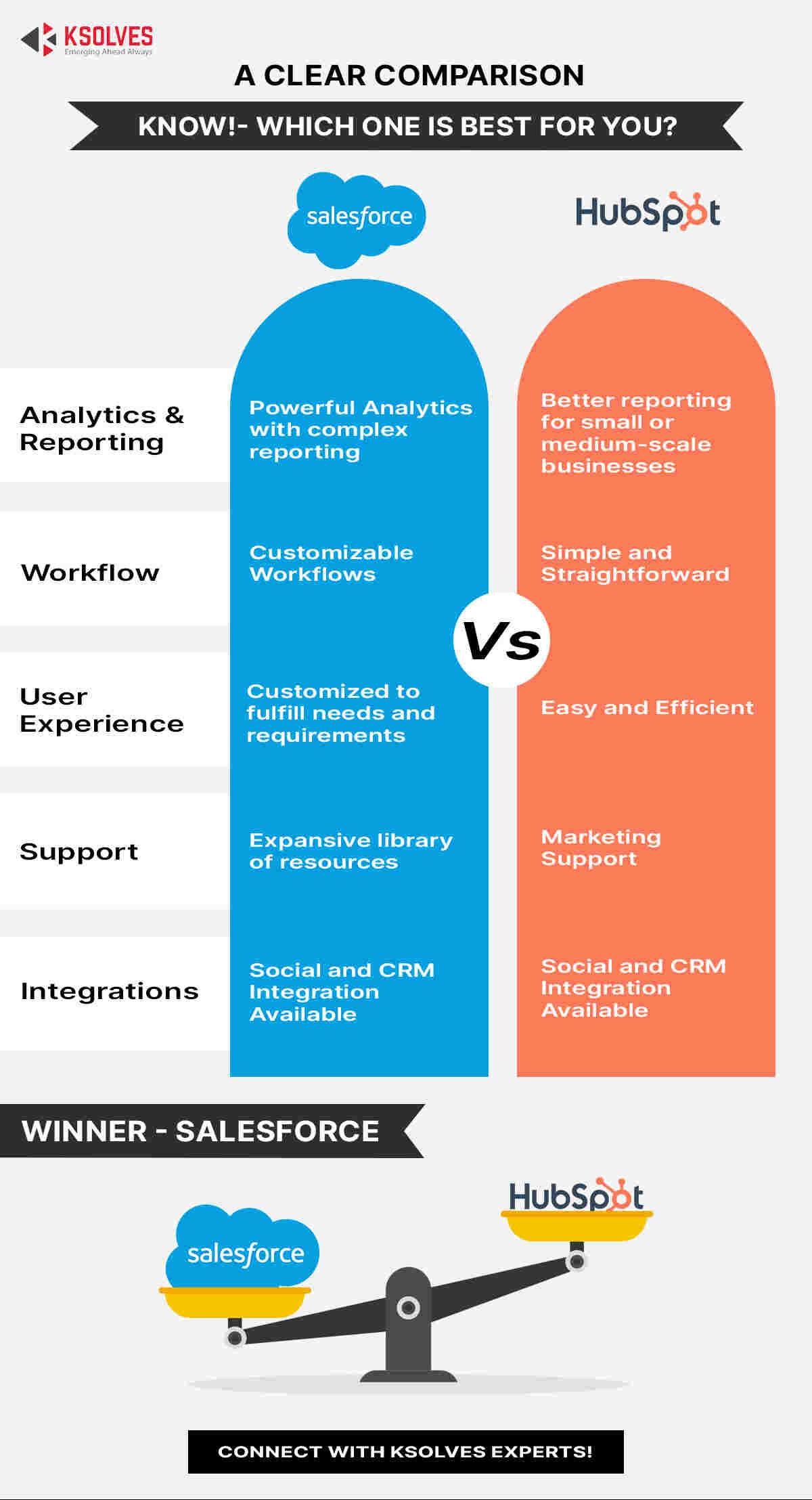
Salesforce offers deep customization options. Users can tailor workflows, fields, and reports extensively. It supports complex business processes and automation. HubSpot provides basic customization. It focuses on simplicity, offering essential tools that are easy to adjust. For companies needing detailed setups, Salesforce is preferable. Businesses wanting straightforward adjustments may choose HubSpot.
Ease Of Use
HubSpot is known for its user-friendly interface. Its design suits beginners and small teams. Navigation is simple, and training time is short. Salesforce can be complex for new users. It requires more time to learn and manage. Large teams with technical support handle Salesforce better. HubSpot suits users needing quick onboarding and easy daily use.
Pricing Overview
HubSpot offers a free CRM with core features. Paid plans grow with added marketing and sales tools. This makes it affordable for small businesses. Salesforce pricing is higher and more variable. Costs depend on features, users, and customization. It targets medium to large enterprises with bigger budgets. HubSpot fits limited budgets; Salesforce fits flexible budgets.
Scalability
Salesforce scales well for large organizations. It supports thousands of users and complex data needs. Its cloud infrastructure ensures performance at scale. HubSpot grows with small and medium businesses. It handles moderate user numbers and data volume. As companies expand, Salesforce adapts better to complexity. HubSpot suits growing businesses without extreme scaling needs.
Best Use Cases
Salesforce is best for large enterprises with complex sales processes. It benefits companies needing advanced analytics and integrations. HubSpot works best for startups and small businesses. It fits teams wanting easy setup and marketing tools. Salesforce supports global operations and heavy customization. HubSpot supports fast deployment and budget-conscious teams.
Credit: www.ksolves.com
Frequently Asked Questions
Which One Is Better, Hubspot Or Salesforce?
Salesforce suits large enterprises needing deep customization and advanced features. HubSpot fits small to medium businesses wanting ease, affordability, and integrated marketing tools. Choose based on your company size, budget, and technical needs for the best CRM experience.
Who Is The Biggest Competitor Of Salesforce?
Salesforce’s biggest competitor is Microsoft Dynamics 365. It offers strong CRM features and integrates well with Microsoft products. Other notable rivals include HubSpot, Oracle CX, and SAP Customer Experience.
Is There Anything Better Than Hubspot?
No single tool outperforms HubSpot universally. Salesforce suits large enterprises; HubSpot fits small to medium businesses. Choose based on your needs, budget, and workflow complexity.
Conclusion
Choosing between Salesforce and HubSpot depends on your business needs. Salesforce suits larger companies needing deep customization and powerful tools. HubSpot fits smaller businesses wanting simple, easy-to-use solutions with a lower cost. Both platforms offer valuable features, but your choice should match your budget, team size, and technical skills.
Think about what matters most: advanced options or straightforward usability. Evaluate carefully to pick the CRM that helps your business grow smoothly. The right CRM can improve your sales, marketing, and customer service efforts effectively.