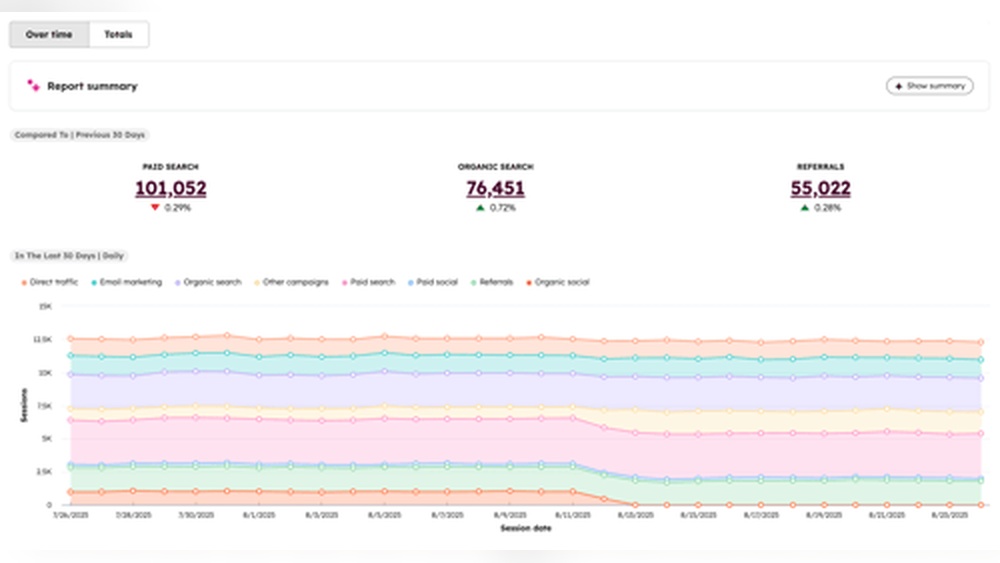
Are you struggling to understand where your website visitors come from or why they leave so quickly? A website traffic analysis tool can be your secret weapon to unlock these answers.
Imagine having clear insights into your visitors’ behavior, helping you make smarter decisions to grow your online presence. You’ll discover how using the right tool can turn your website into a powerful magnet for the right audience. Ready to boost your traffic and see real results?
Keep reading to find out how.
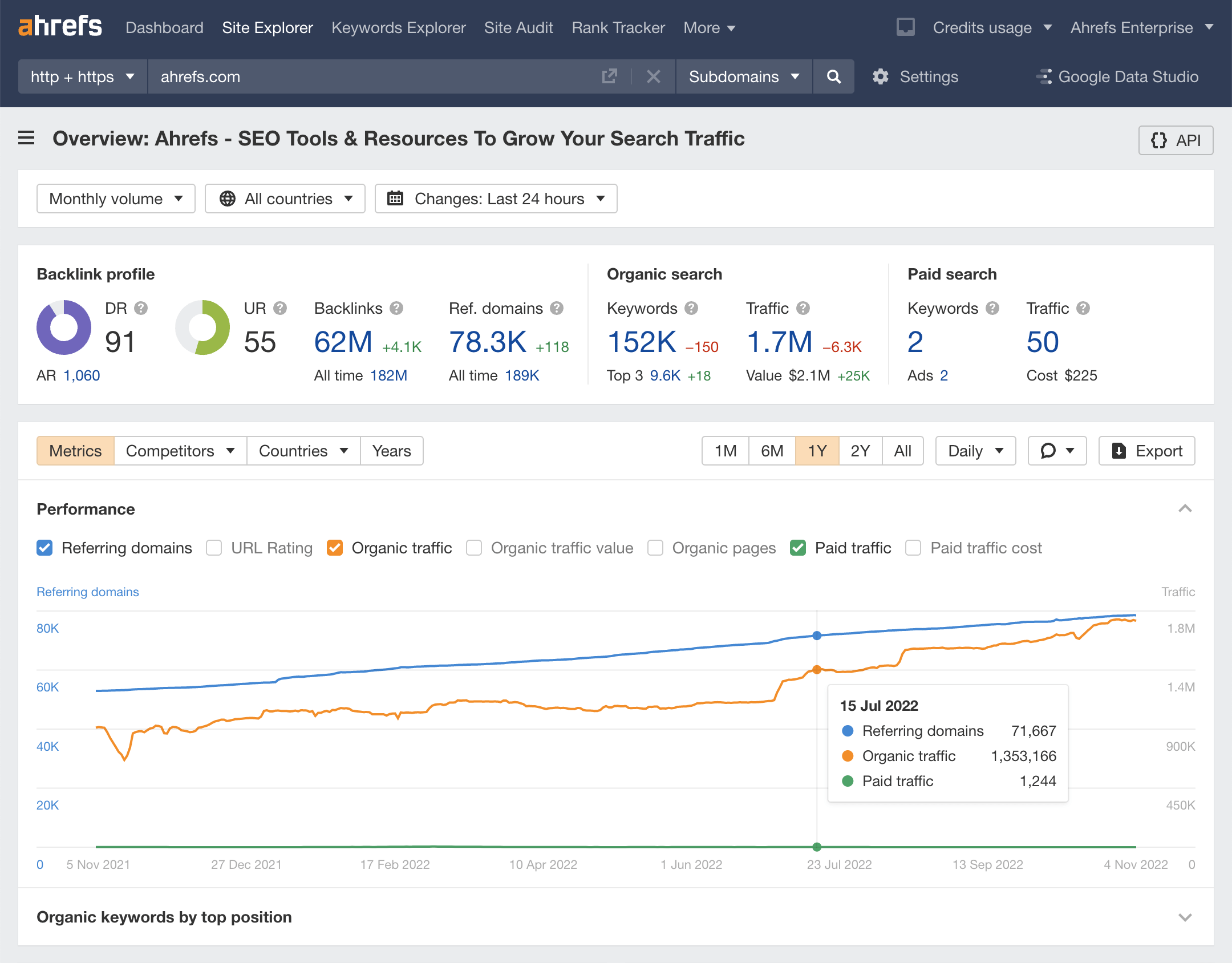
Credit: ahrefs.com
Benefits Of Traffic Analysis Tools
Traffic analysis tools offer clear benefits for website owners. They provide valuable insights about visitors and website performance. These tools help improve how users interact with a site. They also show where visitors come from and how well the site meets business goals. Understanding these details helps create better strategies for growth.
Improving User Experience
Traffic analysis tools show what users like and dislike on a website. They reveal pages with high drop-off rates or slow loading times. This information helps fix issues that frustrate visitors. A smoother experience keeps users engaged longer. Happy visitors often return and recommend the site to others.
Identifying Traffic Sources
Knowing where visitors come from is crucial. Traffic tools track sources such as search engines, social media, or direct visits. This data helps focus marketing efforts on the most effective channels. It also highlights underperforming sources needing improvement. Understanding traffic sources guides better budget decisions.
Tracking Conversion Rates
Conversion rates measure how many visitors complete desired actions. These might include signing up, buying products, or filling forms. Traffic analysis tools track these actions and their success rates. This helps identify which pages or campaigns drive results. Improving conversions increases business revenue and growth potential.
Key Features To Look For
Choosing the right website traffic analysis tool means knowing what features matter most. These tools help you see how visitors use your site. They provide data that guides smart decisions. Here how you can research keywords.
Focus on features that give clear, useful insights. The tool should track live visitor actions. It must offer reports you can adjust. Also, it should work well with other software you use.
Real-time Data Tracking
Real-time data tracking shows visitor activity as it happens. You see how many people are on your site now. This helps spot trends fast. You can fix problems quickly. It keeps your website running smoothly.
Customizable Reports
Customizable reports let you choose what data to see. You pick the details that matter most. Reports can focus on traffic sources, visitor behavior, or page performance. This helps understand your audience better. It saves time by showing only important info.
Integration With Other Platforms
Integration with other platforms connects your tools together. Your traffic tool should work with email, social media, and ads software. This creates a complete view of your marketing efforts. It makes managing your website easier and more effective.
Popular Traffic Analysis Tools
Popular traffic analysis tools help you understand your website visitors. They show who visits, what they do, and where they come from. This information guides you to improve your site and grow your audience.
These tools vary in features and ease of use. Some focus on detailed data, others on user behavior. Choosing the right tool depends on your needs and goals.
Google Analytics
Google Analytics is a free tool that tracks website traffic and user actions. It offers data on visitor numbers, session duration, and bounce rates. The tool also shows traffic sources like search engines or social media. It helps identify which pages perform well and which need improvement.
Hotjar
Hotjar focuses on user behavior with heatmaps and session recordings. Heatmaps show where visitors click and scroll on your pages. Session recordings let you watch real user interactions. Hotjar helps understand how users experience your site and spot usability issues.
Semrush
SEMrush is a powerful tool for traffic analysis and SEO research. It provides data on organic and paid traffic sources. You can track competitors’ traffic and keywords. SEMrush also offers site audit features to fix SEO problems and boost traffic.
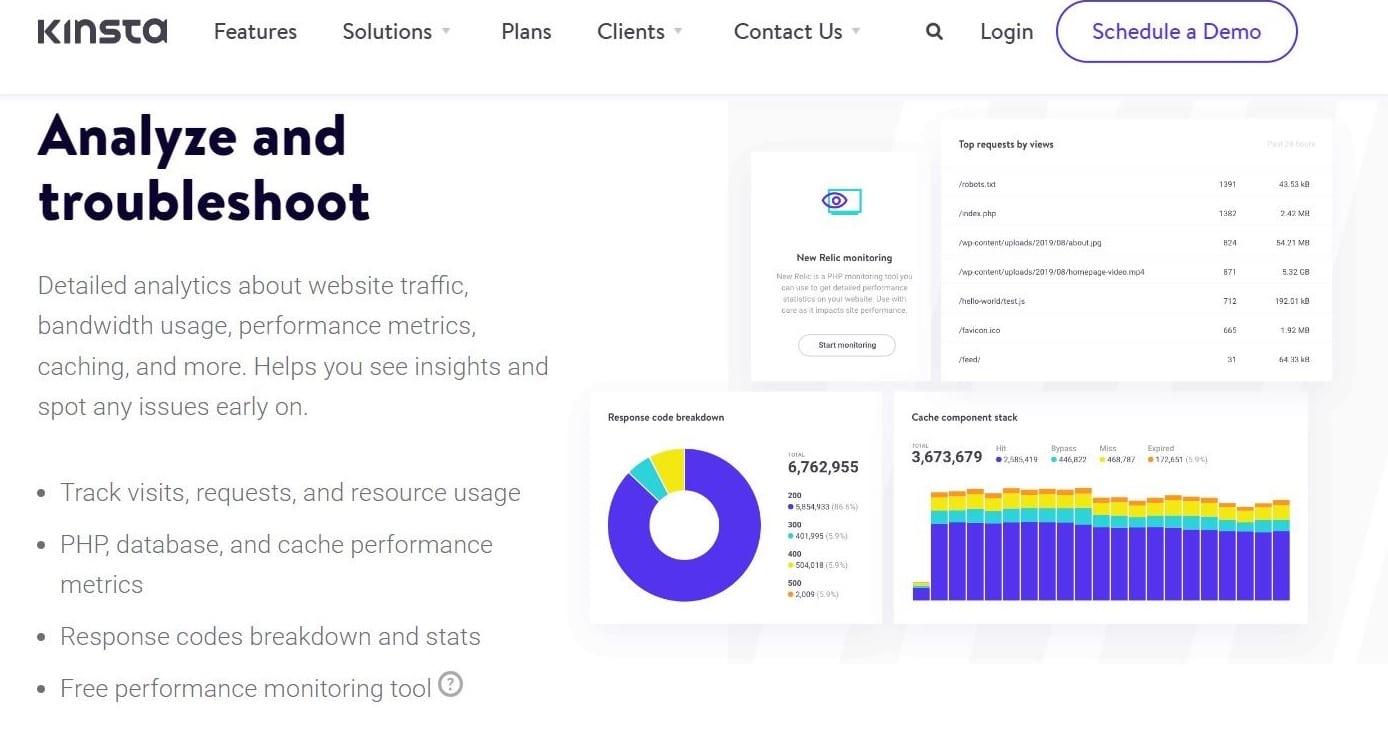
Credit: kinsta.com
How To Interpret Traffic Data
Interpreting traffic data is key to improving your website’s performance. It helps you understand who visits your site and what they do there. With clear insights, you can make smarter decisions to grow your audience and keep them engaged.
This process involves breaking down numbers into meaningful information. You learn about visitor actions, spot patterns, and find areas that need work. Each step gives you clues to enhance your website’s success.
Analyzing Visitor Behavior
Visitor behavior shows what users do on your site. Check pages they visit and how long they stay. Notice the path visitors take from one page to another. Pay attention to actions like clicks, downloads, or form submissions. These details reveal what attracts or loses visitors.
Spotting Traffic Trends
Traffic trends show changes over time. Track daily, weekly, or monthly visitor numbers. Look for spikes or drops and try to understand causes. Trends reveal popular content and peak visit times. Use this knowledge to plan updates and promotions.
Identifying Problem Areas
Problem areas slow down your website’s growth. High bounce rates mean visitors leave quickly. Low page views suggest weak content or poor navigation. Check loading speeds and mobile usability. Fixing these issues improves user experience and keeps visitors longer.
Strategies To Boost Site Performance
Improving website performance requires clear strategies. Tracking traffic data helps identify areas to improve. Using insights from analysis tools leads to better decisions. Focus on three key areas for growth and efficiency.
Optimizing Content Based On Data
Check which pages attract the most visitors. Use this data to create similar content. Update old articles with fresh information and keywords. Clear and useful content keeps visitors engaged longer. Adjust topics to match what your audience searches for.
Enhancing Site Speed
Slow sites lose visitors quickly. Use tools to measure loading times. Compress images and reduce unnecessary scripts. Choose fast web hosting services. A faster site improves user experience and search rankings.
Targeting High-performing Channels
Identify which channels send the most traffic. Focus efforts on these sources for better results. Use social media, email, or search ads effectively. Cut back on channels that perform poorly. Direct resources to where they bring the best return.
Common Mistakes To Avoid
Using a website traffic analysis tool can help you understand your visitors better. But many people make simple mistakes that lead to wrong conclusions. Avoiding these errors improves your insights and decision-making.
Here are some common mistakes to watch out for when analyzing website traffic data.
Ignoring Mobile Traffic
Many websites get most visitors from mobile devices. Ignoring mobile traffic data misses a big part of your audience. Mobile users behave differently than desktop users. Check mobile visitor numbers and their actions carefully. Optimizing for mobile can boost engagement and sales.
Overlooking Bounce Rates
Bounce rate shows how many visitors leave after one page. High bounce rates may mean visitors do not find what they want. Sometimes a high bounce rate is normal, like for contact pages. Study bounce rates by page and traffic source to find problems. Lower bounce rates by improving page content and loading speed.
Misinterpreting Metrics
Metrics can be confusing without context. More traffic does not always mean success. Look at metrics together, such as time on site and conversion rates. Avoid focusing only on numbers that look good. Understand what each metric really shows about your visitors and goals.
Future Trends In Traffic Analysis
Website traffic analysis is evolving fast. New tools and methods help businesses understand visitors better. These changes improve how websites attract and keep users. The future of traffic analysis holds exciting trends that focus on smart technology and user privacy.
Ai And Machine Learning Integration
AI and machine learning help analyze data quickly. They find patterns humans might miss. This technology predicts visitor behavior and suggests improvements. It makes traffic analysis more accurate and useful. Websites can adapt faster to user needs.
Privacy-first Tracking Methods
Privacy is becoming more important for users. New tracking methods respect user data and laws. These tools do not rely on personal information. They use aggregated and anonymous data instead. This approach builds trust and keeps websites compliant.
Cross-device Analytics
People use many devices to visit websites. Cross-device analytics track users across phones, tablets, and computers. It gives a complete view of user journeys. Businesses can see how visitors interact with their site on each device. This helps create better user experiences.
Credit: salespanel.io
Frequently Asked Questions
What Is A Website Traffic Analysis Tool?
A website traffic analysis tool tracks visitors to your site. It shows where users come from and what pages they visit. This helps improve your website’s performance and user experience.
How Does Website Traffic Analysis Improve Marketing?
It reveals which campaigns bring the most visitors. You can focus on strategies that work and avoid wasting money. This makes your marketing more effective and targeted.
Which Key Metrics Does Traffic Analysis Track?
It measures visits, page views, bounce rate, and visitor location. These metrics help understand user behavior and website health. Tracking them guides better decisions for your site.
Conclusion
A website traffic analysis tool helps you see how visitors use your site. It shows which pages get the most views and how long people stay. You can find out where your visitors come from and what devices they use.
This information helps you improve your website step by step. Use the data to make smart choices for your site’s growth. Tracking traffic is key to understanding your audience better. Start using a traffic analysis tool to keep your website strong and user-friendly.
Simple, clear insights lead to better results.