Trying to decide between Diib and Semrush for your SEO needs? You’re not alone.
Both tools promise to boost your website’s visibility, but they serve very different purposes depending on your budget, experience, and goals. If you want something simple, affordable, and focused on actionable insights tailored just for you, Diib might catch your eye.
On the other hand, if you need a powerful, all-in-one marketing suite packed with advanced features to outsmart your competitors, Semrush could be your go-to. You’ll discover how these two platforms stack up against each other so you can pick the one that truly fits your business—and start seeing real growth. Keep reading to find out which SEO tool aligns best with your unique needs.

Credit: www.marketingseo.in
Diib Overview
Diib is a simple SEO tool designed for small businesses. It helps users improve their website’s search engine ranking without needing expert skills. The platform uses automation to analyze sites and suggest clear steps for growth.
Many small business owners choose Diib because it offers essential SEO features at a low cost. It focuses on making SEO easy and accessible, especially for those new to digital marketing.
Affordable Seo For Small Businesses
Diib offers budget-friendly plans suitable for small businesses. There is even a free version that covers basic SEO needs. This makes it easy for startups to begin improving their online presence without high costs.
The pricing structure is straightforward. Users get access to important SEO tools without paying for complex features they do not need. This helps keep expenses low while still gaining value.
Automated Insights And Growth Plans
Diib uses automation to scan websites and find SEO issues fast. It then creates personalized growth plans based on the analysis. These plans highlight clear actions to boost site performance.
The insights come in simple language, avoiding technical jargon. This helps small business owners understand what to do next. The automated system saves time and guides users step-by-step.
User-friendly Interface And Tutorials
The Diib dashboard is clean and easy to navigate. Users can quickly find reports and tools without confusion. The platform includes tutorials that explain SEO concepts in plain terms.
These tutorials help beginners learn while working on their site. The interface encourages hands-on learning and makes SEO less intimidating for new users.
Data Integration With Analytics
Diib connects with Google Analytics and other platforms. This integration brings real data into the SEO reports. Users see how their website traffic and rankings change over time.
The data helps track progress and measure the success of SEO efforts. It makes the growth plans more accurate by using actual site performance metrics.
Credit: www.elegantthemes.com
Semrush Overview
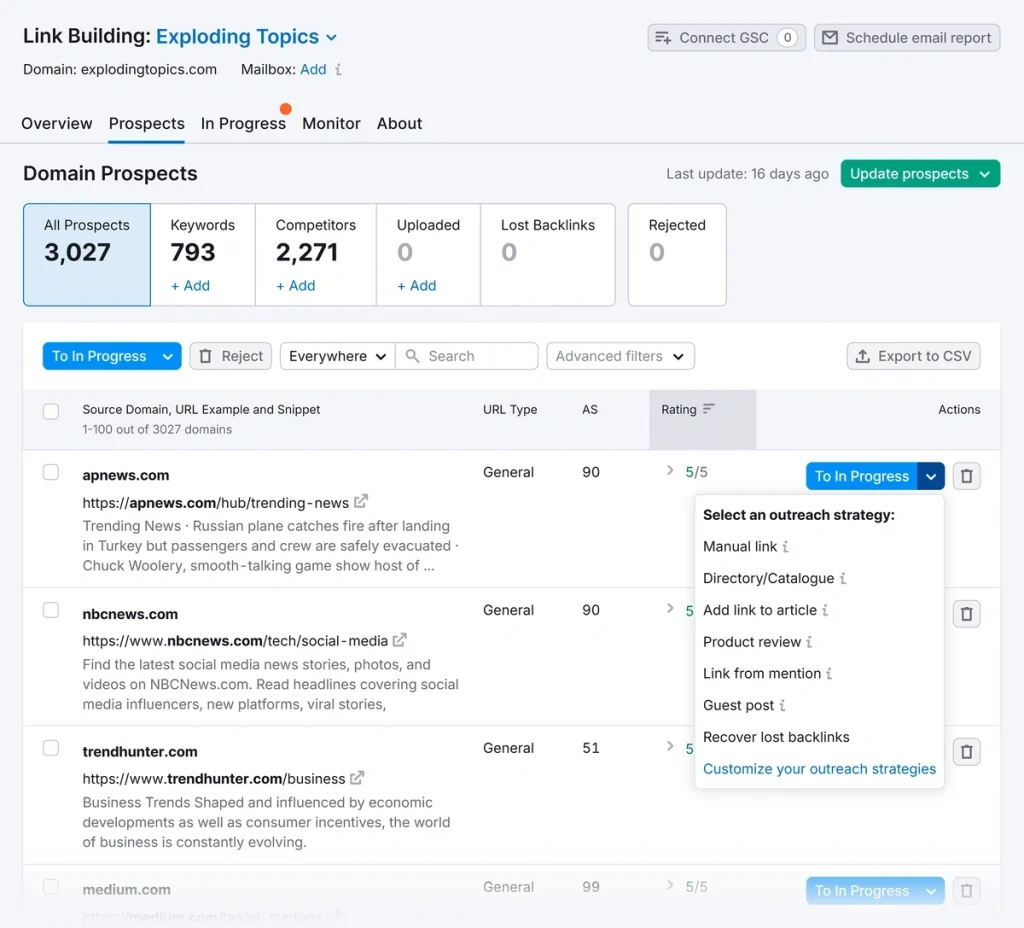
Semrush is a leading tool in digital marketing and SEO. It provides a wide range of services for online growth. Many businesses use Semrush to improve their website visibility and traffic. This overview highlights key features and benefits of Semrush.
Designed for marketers, SEO specialists, and agencies, Semrush covers many marketing needs. Its tools help with keyword research, site audits, content planning, and competitor analysis. The platform offers both automation and manual options to fit different users.
Comprehensive Seo And Marketing Suite
Semrush offers many tools in one platform. Users find keyword research, backlink tracking, and site audits easily accessible. It supports content marketing with topic research and SEO writing assistance. PPC and social media tools add extra marketing options.
This suite allows users to manage campaigns from one place. It helps save time and keeps marketing efforts aligned. Beginners and experts benefit from the wide toolset available.
Advanced Competitor Analysis
Semrush provides detailed competitor insights. Users can track rival keywords, backlinks, and ad strategies. This helps in understanding market trends and gaps. It supports smart decision-making and better campaign planning.
Competitor analysis includes traffic sources, top pages, and keyword overlap. Users gain a clear view of their digital landscape. This knowledge improves SEO and marketing tactics.
Flexible Automation And Manual Control
Semrush balances automation with manual settings. Automated reports and alerts keep users updated. Customizable dashboards and filters allow deep data exploration. This flexibility suits different skill levels and goals.
Automation handles routine tasks efficiently. Manual control lets users tailor strategies and dive deeper into data. This mix enhances productivity and accuracy.
Robust Features For Agencies And Enterprises
Semrush supports large teams and complex projects well. Multi-user accounts and role management improve collaboration. White-label reports help agencies present results professionally. Integration with other tools streamlines workflows.
Enterprise clients benefit from advanced API access and custom data solutions. The platform scales to handle large websites and multiple campaigns. Semrush meets high demands of agencies and big companies.
Pricing Comparison
Comparing pricing between Diib and Semrush helps you find the best SEO tool for your budget. Both offer distinct plans with different features and costs. Understanding these differences can guide your choice based on your business needs and financial limits.
Diib’s Budget-friendly Plans
Diib offers a free plan with basic SEO tools. Paid plans start at a low monthly cost, making it affordable. These plans include automated SEO analysis and growth suggestions. Small businesses and beginners find Diib easy to use. The pricing suits those who want simple, clear SEO help without high expenses.
Semrush’s Premium Pricing
Semrush’s plans start at a higher price than Diib. Its packages target professionals with advanced SEO and marketing needs. The cost reflects access to detailed competitor data and extensive keyword research tools. Semrush suits businesses willing to invest more for deeper insights. The pricing fits users needing a broad digital marketing suite.
Value For Money Analysis
Diib delivers good value for small budgets and basic SEO tasks. Its automation saves time and offers easy-to-understand advice. Semrush justifies its higher price with powerful features and comprehensive data. It benefits users needing complex analysis and multi-channel marketing tools. Choose based on your budget and the depth of SEO you require.

Credit: quadlayers.com
Feature Comparison
Comparing Diib and Semrush features helps decide which SEO tool fits your needs. Both platforms offer useful tools but differ in depth and complexity.
Understanding each feature’s strengths guides your choice. Let’s explore key areas like audits, keyword research, content tools, competitor insights, and support.
Seo Audits And Reporting
Diib provides automated SEO audits with simple reports. It highlights major issues and suggests easy fixes. Reports are easy to read, ideal for beginners.
Semrush offers detailed audits with in-depth technical analysis. Its reports cover site health, errors, and performance metrics. Semrush suits advanced users needing full control.
Keyword Research Capabilities
Diib focuses on basic keyword suggestions and tracking. It helps small businesses find relevant keywords quickly. The data is clear but less extensive.
Semrush delivers extensive keyword databases and competitive data. It supports multiple keyword strategies including local and international SEO. Semrush offers deeper insights for complex campaigns.
Content Marketing Tools
Diib includes basic content suggestions to improve SEO value. It guides on topics and keyword use but lacks advanced content planning features.
Semrush provides content creation, optimization, and tracking tools. It helps craft SEO-friendly articles and measures content success. Ideal for content marketers seeking detailed support.
Competitor Insights
Diib offers competitor tracking with simple comparison metrics. It shows traffic trends and keyword overlaps. Good for quick competitor checks.
Semrush excels in competitor analysis with detailed traffic sources and backlink data. It reveals competitor strategies and gaps. Best for thorough competitive research.
User Experience And Support
Diib has a clean, easy-to-navigate interface suitable for new users. Support includes email and helpful guides. It focuses on user-friendly experience.
Semrush has a feature-rich platform that can feel complex at first. It offers extensive tutorials, webinars, and live chat support. Designed for users ready to learn deep SEO skills.
Ideal User Profiles
Choosing the right SEO tool depends on your specific needs and business size. Both Diib and Semrush serve different types of users. Understanding who benefits most from each platform helps you make an informed decision. Below, we explore ideal user profiles for both tools.
Who Benefits From Diib
Diib suits small businesses with tight budgets. It offers a free tier and low-cost plans. Users who want easy, automated SEO insights find Diib helpful. The platform provides simple site audits and clear growth plans. DIY marketers enjoy its tutorials and straightforward interface. Beginners and those without technical skills can use Diib effectively. It focuses on essential SEO tasks without overwhelming users. If you want a quick overview of your website’s health, Diib fits well.
Who Benefits From Semrush
Semrush works best for larger businesses and agencies. It has advanced tools for SEO, content marketing, and competitor research. Users needing deep data and detailed analysis prefer Semrush. The platform suits those with marketing teams or experts. Semrush’s steep learning curve matches users ready to invest time in training. It supports complex campaigns and multi-channel strategies. Companies with bigger budgets can afford Semrush’s premium pricing. If you want a full digital marketing suite, Semrush is ideal.
Integration And Compatibility
Integration and compatibility play a crucial role in choosing between Diib and Semrush. Both tools offer various ways to connect with platforms and services that marketers use daily. Understanding their support for platforms, browsers, and third-party tools helps decide which fits your workflow best.
Supported Platforms And Browsers
Diib works smoothly on major operating systems like Windows and Mac. It also supports mobile devices, allowing users to check SEO data on the go. The tool runs well on popular browsers such as Chrome, Firefox, and Safari. This flexibility ensures users can access Diib from different devices without issues.
Semrush also supports multiple platforms, including Windows, Mac, and Linux. It performs optimally on browsers like Chrome, Firefox, and Edge. Semrush’s web-based interface requires no installation, making it accessible from any device with internet access. This broad compatibility suits teams using diverse setups.
Third-party Integrations
Diib offers integration with Google Analytics and Google Search Console. These connections help users track website performance easily. It also links with social media accounts to monitor engagement. However, Diib’s third-party integrations are limited compared to larger tools.
Semrush provides a wider range of integrations. It connects with Google Analytics, Google Search Console, and Google Ads. It also supports integration with platforms like HubSpot, Trello, and WordPress. These connections enable users to streamline marketing efforts across channels. Semrush’s extensive integrations benefit businesses with complex digital marketing needs.
Strengths And Limitations
Understanding the strengths and limitations of Diib and Semrush helps choose the right SEO tool. Both platforms offer unique features tailored to different user needs. Evaluating their advantages and drawbacks clarifies which tool fits your goals and budget. Here is a detailed look at their main strengths and weaknesses.
Diib’s Advantages And Drawbacks
Diib offers a budget-friendly solution ideal for small businesses and beginners. It provides automated SEO audits that are easy to understand. The platform delivers clear growth plans written in simple language. Diib has a free tier, which makes it accessible to many users. It also includes a helpful library of tutorials for DIY marketers.
On the downside, Diib lacks some advanced features found in professional SEO tools. Its data depth is limited compared to larger platforms. The reporting options are basic and may not satisfy complex marketing needs. Diib’s interface is simpler but might feel too minimal for experienced users. It suits those needing straightforward, low-cost SEO help rather than in-depth analysis.
Semrush’s Advantages And Drawbacks
Semrush is a powerful, all-in-one digital marketing suite. It offers extensive keyword research, competitor analysis, and content tools. The platform supports advanced SEO strategies with detailed data and reports. Semrush covers multiple marketing channels beyond SEO, such as PPC and social media. Its robust features suit medium to large businesses with broader digital needs.
Semrush comes with a higher price tag, which may be a barrier for small budgets. The tool has a steep learning curve and requires time to master. Its interface can be overwhelming for beginners due to the many features. Some users may find the volume of data more complex than necessary. Semrush is best for users needing comprehensive, professional-grade tools.
Choosing The Right Tool For 2025
Choosing the right SEO tool for 2025 requires careful thought. The market offers many options, but Diib and Semrush stand out. Each tool serves different needs and budgets. Selecting the best one depends on your specific business situation. Understanding their strengths helps make the right choice.
Factors To Consider
Start by evaluating your budget and team size. Diib is cost-effective and user-friendly, ideal for small businesses. Semrush suits larger teams needing advanced features. Consider ease of use, as complex tools may slow your progress. Also, check the types of reports and data each tool provides. Reliable customer support and regular updates matter too.
Aligning Tools With Business Goals
Identify your main SEO objectives. If you want simple, automated insights, Diib fits well. It offers clear, actionable steps without much learning. For deep competitor analysis and content marketing, Semrush is better. It supports comprehensive strategies and detailed keyword research. Match the tool’s capabilities with your growth plans. This alignment ensures you use the tool efficiently.
Future-proofing Seo Strategy
SEO changes fast. Choose a tool that adapts to new trends and algorithms. Semrush frequently updates with new features and data sources. Diib focuses on automation and simplicity but may lack some advanced options. Think about scalability. Your tool should grow with your business needs. Investing in a flexible platform saves time and money later.
Frequently Asked Questions
Is Diib Any Good?
Diib is a good, affordable SEO tool for small businesses and DIY marketers. It offers automated insights and easy-to-understand growth plans. However, it lacks advanced features found in tools like Semrush, making it best for basic SEO needs and budget-conscious users.
What Is The Best Alternative To Semrush?
The best alternatives to Semrush include Ahrefs, SE Ranking, Moz Pro, SpyFu, and Ubersuggest. These tools offer strong SEO features, competitive analysis, and user-friendly interfaces at various price points. Choose based on your budget, business size, and specific SEO needs.
Is Semrush Russian Owned?
Semrush is not Russian owned. It is a U. S. -based company headquartered in Austin, Texas, founded by Russian entrepreneurs but operates globally.
What Is The Diib Seo Tool?
Diib is an affordable, user-friendly SEO tool offering automated site audits and personalized growth plans. It suits small businesses and DIY marketers focused on basic SEO. Diib integrates with Google Analytics and Facebook Insights to provide clear, actionable insights for improving website traffic and performance.
Conclusion
Both Diib and Semrush serve different SEO needs well. Diib fits small businesses and beginners with its simple, budget-friendly tools. Semrush suits larger companies needing detailed data and advanced features. Choose based on your budget, skills, and marketing goals. Both platforms can help improve your website’s SEO effectively.
Think about what matters most to your business before deciding.