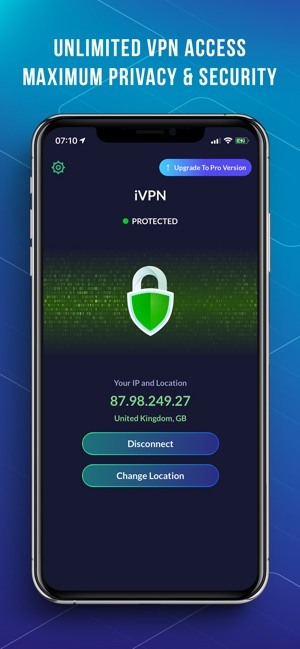
You want to keep your online activity private and safe. But every time you connect to the internet, your personal information is at risk.
That’s where a secure VPN for privacy comes in. It acts like a shield, protecting your data from hackers, trackers, and prying eyes. Imagine browsing freely without worrying about your passwords, messages, or locations being exposed. You’ll discover how the right VPN can give you peace of mind and take your online privacy to the next level.
Stay with me, and you’ll learn exactly what to look for and how to stay truly secure.

Credit: apps.apple.com
Why Vpns Matter For Privacy
Privacy matters more than ever in today’s digital world. Every click, search, and message can be tracked. Many people do not realize how much personal data is exposed online. A VPN helps protect this sensitive information from prying eyes.
Using a VPN creates a safe space for your online activity. It stops hackers, advertisers, and even your internet provider from seeing what you do. This keeps your identity and data secure.
Risks Of Unsecured Connections
Unsecured connections expose your data to many dangers. Public Wi-Fi networks are common places for attacks. Hackers can steal passwords, credit card numbers, and other private info.
Without protection, your internet provider can track every website you visit. Advertisers use this data to build profiles and target you with ads. Governments may also monitor your online actions.
Data theft can lead to identity fraud and financial loss. Many people do not realize these risks until it’s too late.
How Vpns Shield Your Data
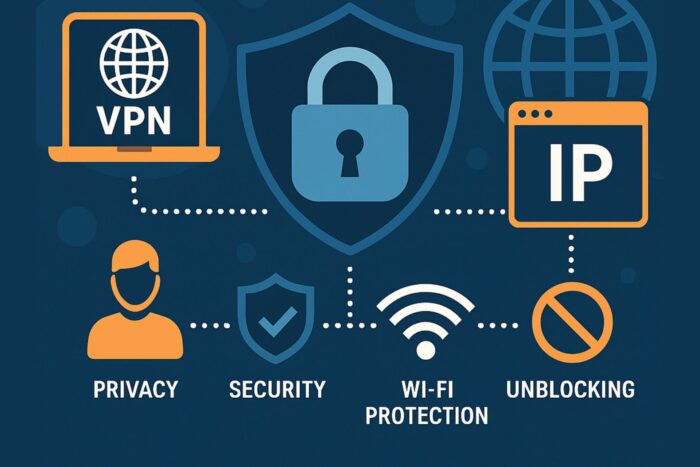
A VPN encrypts your internet traffic. This means no one can read your data. Your online actions become anonymous and secure.
VPNs hide your real IP address. This prevents tracking and location detection. You can browse freely without worry.
Strong VPNs use advanced technology to block hackers and spies. They create a secure tunnel between your device and the internet. This tunnel keeps your information safe from interception.
Credit: vpncentral.com
Choosing The Right Vpn
Choosing the right VPN is very important for your online privacy. A good VPN protects your data and hides your location. It also helps you browse safely on public Wi-Fi networks. Not all VPNs offer the same level of security and speed. Some may keep logs of your activity, which can harm your privacy. Picking the right VPN means understanding what features you need and the differences between free and paid services.
Key Features To Look For
Look for strong encryption to keep your data safe. A no-logs policy means the VPN does not store your activities. Fast and reliable servers help avoid slow internet speeds. Check if the VPN has a kill switch to stop data leaks if the connection drops. Multiple server locations give you more options to access content worldwide. Easy-to-use apps make the VPN simple to operate on all devices.
Comparing Free Vs Paid Services
Free VPNs often limit speed and data usage. They may show ads or collect your data to make money. Paid VPNs usually provide better security and privacy. They offer more server choices and faster connections. Paid services often include extra features like customer support and advanced security tools. Investing in a paid VPN is safer for protecting your privacy online.
Setting Up Your Vpn Safely
Setting up your VPN safely is essential for strong privacy. A VPN protects your data from hackers and trackers. Proper setup ensures your information stays secure. Follow clear steps to install and configure your VPN. This keeps your online activity private and safe.
Installation Best Practices
Download your VPN only from the official website or app store. Avoid third-party sources to reduce risks. Use strong passwords for your VPN account. Keep your device software updated to prevent vulnerabilities. Run the installer as an administrator for full setup. Restart your device after installation for proper function.
Configuring For Maximum Security
Choose the strongest encryption available in your VPN settings. Enable the kill switch feature to block internet if VPN drops. Select secure VPN protocols like OpenVPN or WireGuard. Turn off IPv6 to avoid leaks of your real IP address. Avoid auto-connecting to public Wi-Fi without VPN active. Regularly check for VPN updates and apply them promptly.
Advanced Privacy Tips
Advanced privacy tips help you protect your data better. A secure VPN hides your IP address and encrypts your internet traffic. Still, extra steps can boost your online safety. Using these tips keeps your information private and safe from hackers or trackers.
Using Kill Switch And Dns Leak Protection
A kill switch stops internet access if your VPN drops. This prevents your real IP address from showing. DNS leak protection stops your device from using default DNS servers. It keeps your browsing data from leaking outside the VPN tunnel. Both features are key for strong privacy.
Combining Vpn With Other Tools
Use a VPN with a secure browser or ad blocker. These tools block trackers and harmful websites. Using encrypted messaging apps adds extra security for chats. Two-factor authentication protects your accounts from unauthorized access. Combining tools creates a stronger privacy shield online.
Common Vpn Mistakes To Avoid
Many people use VPNs to protect their privacy online. Yet, some common mistakes reduce VPN effectiveness. Avoid these errors to keep your data safe and private.
Using Public Wi-fi Without Vpn
Public Wi-Fi is risky without VPN protection. Hackers often target open networks to steal information. Using a VPN on public Wi-Fi encrypts your data. This keeps your passwords and personal details secure. Always connect to a VPN before using public Wi-Fi.
Ignoring Vpn Updates
VPN software updates fix security problems and add new features. Ignoring updates can leave your VPN vulnerable to attacks. Update your VPN regularly to maintain strong protection. Updated VPNs work better and keep your privacy intact.
Maintaining Long-term Vpn Security
Maintaining long-term VPN security is crucial to protect your privacy online. A VPN keeps your data safe by encrypting your internet connection. But security is not a one-time setup. It needs regular attention and updates.
Keeping your VPN secure over time prevents leaks and breaches. It also ensures you stay protected against new online threats. Consistent care helps your VPN work at its best.
Regularly Reviewing Vpn Settings
Check your VPN settings often. Make sure the encryption level is strong. Confirm the VPN killswitch is active. This feature stops data leaks if the connection drops.
Update your VPN app regularly. Updates fix bugs and improve security. Remove old or unused VPN profiles. They can create vulnerabilities.
Staying Informed About Threats
New cyber threats appear every day. Stay aware of the latest risks affecting VPNs. Follow trusted tech news and security blogs.
Learn about common VPN attacks. Examples include DNS leaks and man-in-the-middle attacks. Understanding threats helps you avoid them. Update your VPN settings based on new findings.
Credit: apps.apple.com
Frequently Asked Questions
What Is A Secure Vpn For Privacy?
A secure VPN encrypts your internet traffic to protect your data. It hides your IP address, ensuring online anonymity and privacy. VPNs prevent hackers and trackers from accessing your personal information on public or private networks.
How Does A Vpn Protect My Online Privacy?
A VPN masks your IP address and encrypts data. This stops ISPs, hackers, and advertisers from tracking your online activities. It creates a private tunnel, securing your connection on any network, especially public Wi-Fi.
Can A Vpn Prevent Identity Theft?
Yes, a VPN reduces identity theft risk by encrypting sensitive data. It secures your connection, making it harder for cybercriminals to intercept personal information like passwords and credit card details.
Are All Vpns Safe For Privacy?
Not all VPNs offer strong privacy protections. Choose reputable VPNs with strict no-logs policies and strong encryption. Free VPNs may sell data or have weak security, compromising your privacy.
Conclusion
Choosing a secure VPN helps keep your online data safe. It hides your location and protects your identity. You can browse without worry or fear of being tracked. Privacy matters more than ever in today’s digital world. A good VPN makes your internet use safer and more private.
Stay smart and protect your information with a trusted VPN. Your privacy is worth the effort. Simple steps can make a big difference. Stay secure, stay private, and enjoy the web freely.