Are you worried about your online privacy? Want to browse the internet safely without anyone spying on you?
Choosing the right VPN service can make all the difference. But with so many options out there, how do you find the best one for your needs? This guide will help you discover the top rated VPN services that protect your data, boost your security, and give you peace of mind every time you go online.
Keep reading to find the perfect VPN that fits your lifestyle and keeps your information safe.
Best Vpn Services In 2025
Choosing the best VPN service in 2025 can protect your online privacy. VPNs help keep your data safe from hackers and trackers. They also let you access websites that may be blocked in your area. With many options available, it is important to pick a VPN that fits your needs.
This guide highlights the best VPN services for 2025. It explains how we select top VPN providers. It also compares their features to help you decide.
Criteria For Selection
We look for strong security features like encryption and no-log policies. Speed is also crucial for smooth browsing and streaming. A good VPN should have many server locations worldwide. Ease of use matters, with clear apps for all devices. Customer support must be reliable and easy to reach. Price is considered, ensuring value for money.
Top Vpn Providers
Several VPN services stand out in 2025. They offer secure connections and fast speeds. These providers include well-known names with solid reputations. They support multiple devices and platforms. Their privacy policies are strict and transparent. Many have features like kill switches and split tunneling.
Comparison Of Features
VPNs vary in server numbers and global coverage. Some offer unlimited bandwidth, while others set limits. Security protocols differ, with options like OpenVPN and WireGuard. User interfaces range from simple to advanced. Some VPNs include extra tools such as ad blockers. Pricing plans vary by subscription length and features.
Security Features To Look For
Choosing a VPN means checking its security features closely. These features protect your data and privacy online. The right VPN keeps hackers and trackers away. It also hides your online actions from prying eyes. Understanding key security features helps you pick the safest VPN service.
Encryption Standards
Encryption scrambles your data so no one can read it. Strong encryption is vital for real protection. Look for VPNs using AES-256 encryption. This is the industry standard and very hard to break. It keeps your information safe on public Wi-Fi or home networks.
No-log Policies
No-log means the VPN does not save your online activity. This protects your privacy even if the VPN is asked for data. Check if the VPN has a clear, strict no-log policy. Some VPNs get independent audits to prove they don’t keep logs.
Kill Switch Functionality
A kill switch stops internet traffic if the VPN connection drops. This prevents your real IP address from being exposed. It works silently in the background. This feature is crucial for maintaining privacy at all times.
Speed And Performance
Speed and performance are key for any VPN service. A fast VPN keeps your browsing smooth and streaming clear. Slow speeds can cause frustration and reduce the VPN’s usefulness. Good performance depends on several factors like server locations, bandwidth, and connection stability.
Server Locations And Impact
More server locations mean better speed choices. Connecting to a nearby server often gives faster results. Some VPNs have servers in many countries. This helps reduce delay and improves performance. Servers crowded with users can slow down speeds.
Bandwidth Limits
Bandwidth limits restrict how much data you can use. VPNs with no limits let you browse and stream freely. Some VPNs cap bandwidth, causing slowdowns after a point. Unlimited bandwidth supports heavy internet use without speed loss.
Connection Stability
Stable connections keep your VPN running without drops. Frequent disconnects interrupt your browsing and slow things down. A reliable VPN maintains steady speeds over time. Stability ensures a smooth experience during work or play.
Privacy And Anonymity
Privacy and anonymity are the main reasons many people use VPN services. These tools help keep your online actions secret. They stop others from tracking your internet use. This protects your personal data from hackers and spies.
Good VPNs use strong methods to hide your identity and location. This makes your web browsing safe and private. Let’s explore some key ways VPNs protect your privacy.
Ip Masking Techniques
IP masking changes your real IP address to a new one. This new IP hides where you are. It makes it hard for websites to find your true location. VPNs use servers worldwide to give you different IP addresses. This keeps your identity hidden and your connection safe.
Dns Leak Protection
DNS leaks can reveal your browsing activity. VPNs with DNS leak protection stop this from happening. They make sure your DNS requests go through the VPN tunnel. This keeps your online actions private. Without this feature, your real IP can be exposed.
Jurisdiction And Data Laws
VPN companies are based in different countries. Each country has its own rules about data privacy. Some countries protect your data strongly. Others may share information with governments. Choosing a VPN in a privacy-friendly country helps keep your data safe.
Ease Of Use And Compatibility
Ease of use and compatibility are key for any VPN service. A good VPN must work well on many devices. It should also be simple to set up and use. This makes online security accessible to everyone.
Choosing a VPN that fits your devices and skills saves time and stress. It ensures smooth and safe internet use every day.
Supported Devices And Platforms
Top VPNs support many devices. This includes Windows, Mac, iOS, and Android. Some also work on Linux and routers. This wide support means you can protect all your gadgets.
Many VPNs allow multiple devices on one account. This helps families or small teams stay safe online. Check if the VPN covers your device before buying.
User Interface Design
Simple and clear design matters a lot. Good VPNs have easy menus and buttons. This helps users connect quickly without confusion.
Clear instructions and quick access to features improve the experience. A clean interface suits beginners and experts alike. Avoid VPNs with cluttered or complex layouts.
Customer Support Options
Reliable customer support is important. The best VPNs offer live chat, email, or phone help. Fast and friendly support solves problems quickly.
Some VPNs also have guides and FAQs. These resources help users fix minor issues on their own. Good support keeps your VPN running smoothly.
Pricing And Plans
Pricing and plans are key factors when choosing a VPN service. They help you decide which option fits your budget and needs. Different providers offer various subscription choices. Some focus on free access, while others provide premium features for a fee.
Subscription Options
Most VPNs offer monthly, yearly, and multi-year plans. Monthly plans cost more but give flexibility. Yearly and multi-year plans lower the price per month. Some services also provide family or multi-device packages. Choose a plan based on how long you need the VPN.
Free Vs Paid Services
Free VPNs limit speed, data, or server access. They may show ads or collect data. Paid VPNs offer faster connections and more servers. They protect privacy better and include extra features. Paid plans are safer for sensitive tasks like banking.
Money-back Guarantees
Many VPN providers offer a money-back guarantee. It lets you test the service risk-free. Guarantees usually last 30 days but can vary. This helps you check speed, ease of use, and features. You get a refund if the VPN does not meet expectations.
Special Features And Extras
Top rated VPN services offer more than just basic privacy. They include special features that improve security and usability. These extras help users control their internet experience better. Understanding these features can help you choose the right VPN for your needs.
Split Tunneling
Split tunneling lets you choose which apps use the VPN. Some traffic goes through the VPN, while other traffic goes directly to the internet. This feature saves bandwidth and improves speed. It is useful for accessing local and international content at the same time.
Multi-hop Connections
Multi-hop connections route your data through two or more servers. This adds an extra layer of security. It makes it harder for anyone to track your online activity. Multi-hop is ideal for users who need strong privacy protection.
Ad And Malware Blocking
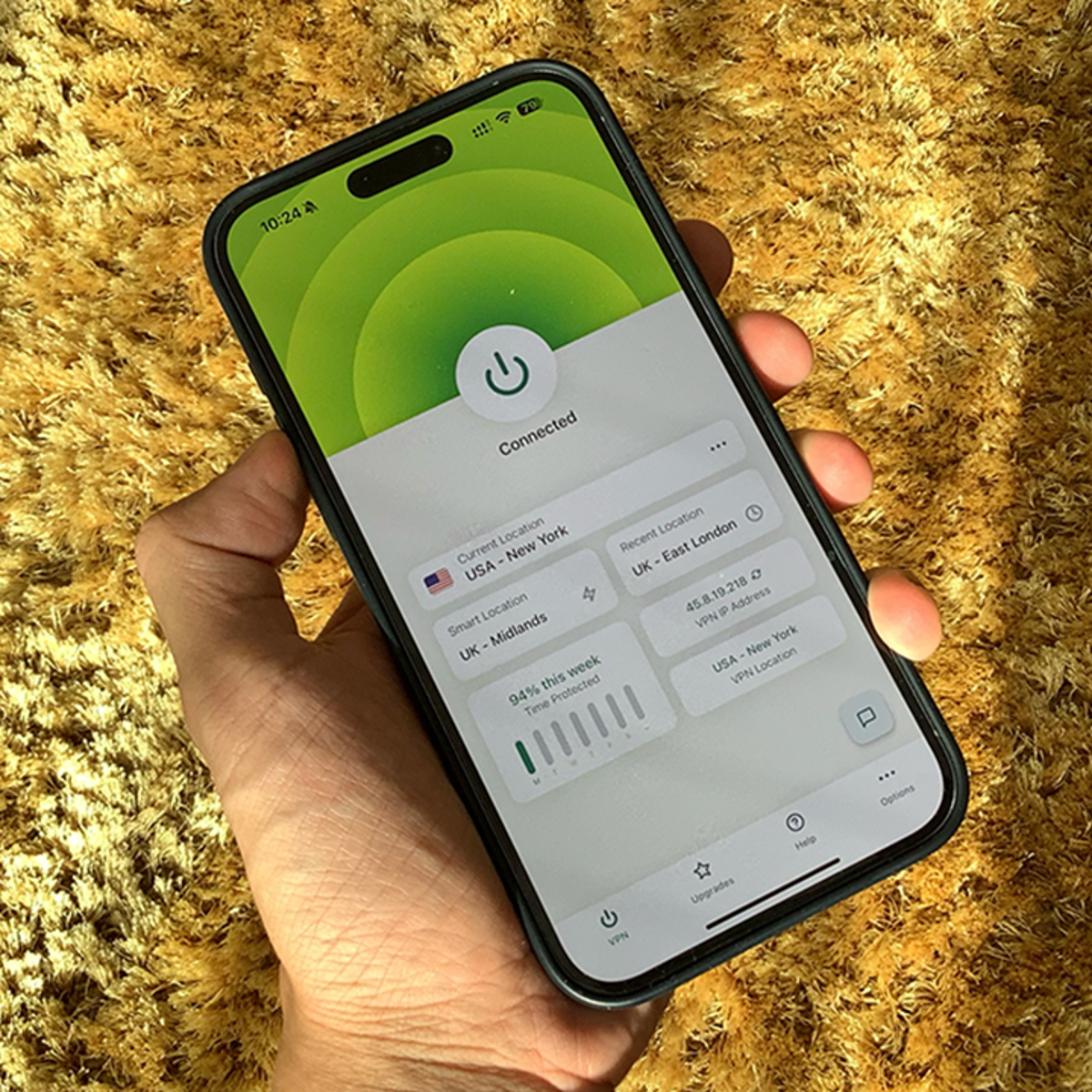
Many top VPNs include built-in ad and malware blockers. They stop annoying ads and protect you from harmful websites. This improves browsing speed and safety. It also reduces the risk of downloading malicious files.
Credit: www.independent.co.uk
Common Vpn Myths
VPNs are popular tools for online privacy. Many people use them to protect data and access content safely. Despite their popularity, many myths surround VPN use. These myths can confuse users and cause wrong choices. Understanding the truth behind these myths helps pick the right VPN.
Vpns Slow Down Internet
Many believe VPNs always slow internet speed. VPNs do add a small delay as data travels through extra servers. Good VPN services use fast servers to reduce this delay. The speed drop is often small and unnoticeable. Slow internet may come from poor VPN providers, not VPNs themselves.
Free Vpns Are Safe
Free VPNs attract users with no cost. Many free VPNs lack strong security and privacy measures. They may sell user data or show ads. Reliable VPNs require payment to maintain quality and safety. Free does not always mean safe or private.
Vpns Guarantee Complete Anonymity
VPNs improve privacy but do not offer full anonymity. They hide your IP address but cannot stop all tracking methods. Some websites track users with cookies or fingerprinting. Using VPNs with other privacy tools gives better protection.
Setting Up Your Vpn
Setting up your VPN is the first step to secure internet use. A proper setup helps protect your data and privacy online. This guide walks you through simple steps to get your VPN ready fast.
Installation Steps
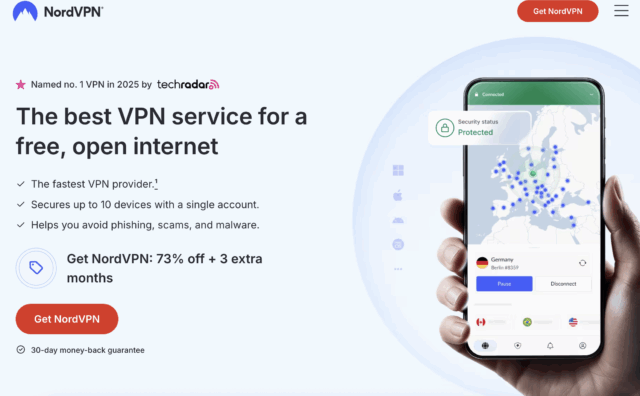
Start by downloading the VPN app from the official website or app store. Choose the correct version for your device—Windows, Mac, Android, or iOS. Open the downloaded file and follow the on-screen instructions. The installation usually takes just a few minutes. After installation, launch the app and log in with your account details.
Configuration Tips
Select a server location that fits your needs. For faster speeds, pick a nearby server. Enable features like kill switch and auto-connect for better security. Adjust protocol settings based on your device and network. Keep the app updated to access the latest features and fixes.
Troubleshooting Common Issues
If the VPN won’t connect, check your internet first. Restart the app or your device to fix minor bugs. Disable other network tools that might block the VPN. Clear app cache or reinstall if problems persist. Contact customer support for help with complex issues.
Credit: thebestvpn.com

Credit: www.trustedreviews.com
Frequently Asked Questions
What Is The Best Vpn Service For Streaming?
The best VPN for streaming offers fast speeds and unblocks popular platforms. It ensures smooth, buffer-free viewing with strong security.
How Do Top Rated Vpns Protect Your Privacy?
Top rated VPNs encrypt your data and hide your IP address. This prevents tracking and secures your online activities from hackers.
Are Free Vpn Services As Reliable As Paid Ones?
Free VPNs often have limitations like slower speeds and data caps. Paid VPNs provide better security, performance, and customer support.
Can A Vpn Improve My Internet Speed?
A VPN can improve speed by avoiding ISP throttling. However, it may slightly reduce speed due to encryption overhead.
Conclusion
Choosing a top-rated VPN keeps your data safe online. It helps protect privacy and avoid tracking. Fast speeds make streaming and browsing smooth. Easy setup means anyone can use it without trouble. Many options fit different budgets and needs. Try one that matches your personal use best.
Stay secure and enjoy the internet freely. Simple steps lead to safer online habits. A good VPN is a smart choice today.