Are you worried about keeping your business data safe while working online? You’re not alone.
More companies are turning to Business VPN Solutions to protect their information and stay secure. Imagine having a simple tool that shields your network from hackers, lets your team work safely from anywhere, and boosts your company’s privacy—all at once.
This article will show you how the right VPN can transform your business security and why it’s a must-have for your success. Keep reading to find out how you can protect your business easily and effectively.
Why Businesses Need Vpns
Businesses face many risks online. Cyberattacks and data breaches happen every day. Protecting company information is critical. VPNs, or Virtual Private Networks, help secure business data and networks. They create a safe path for information to travel. This keeps sensitive data hidden from hackers and spies.
VPNs also support remote work. Employees can access company systems from anywhere. Without a VPN, this access may be unsafe. VPNs add a layer of protection to keep connections secure. This makes working outside the office safer for everyone.
Many industries require strict rules for data security. VPNs help businesses meet these rules. They ensure data stays private and protected. This helps avoid fines and legal problems. Businesses that use VPNs show they take security seriously.
Protecting Sensitive Data
Businesses store a lot of private information. Customer details, financial records, and trade secrets need protection. VPNs encrypt this data. Encryption scrambles the information so outsiders cannot read it. This stops hackers from stealing sensitive details. It also protects data from being intercepted over public Wi-Fi networks.
Ensuring Remote Access Security
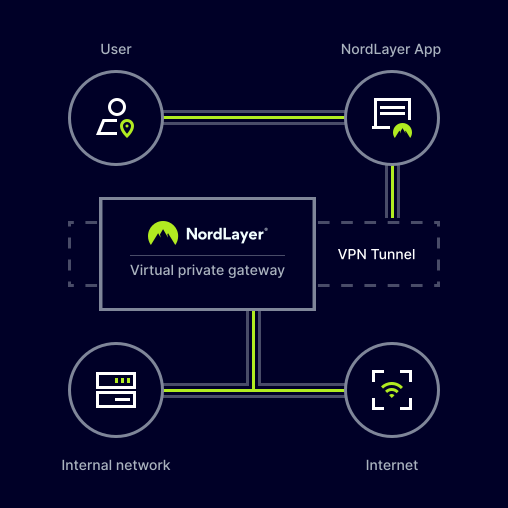
Remote work is common today. Employees use different networks to connect to company systems. Some networks may not be secure. VPNs create a private tunnel for data to travel safely. This prevents hackers from spying on remote connections. Businesses can control who accesses their network. VPNs reduce the risk of unauthorized access and data leaks.
Maintaining Compliance Standards
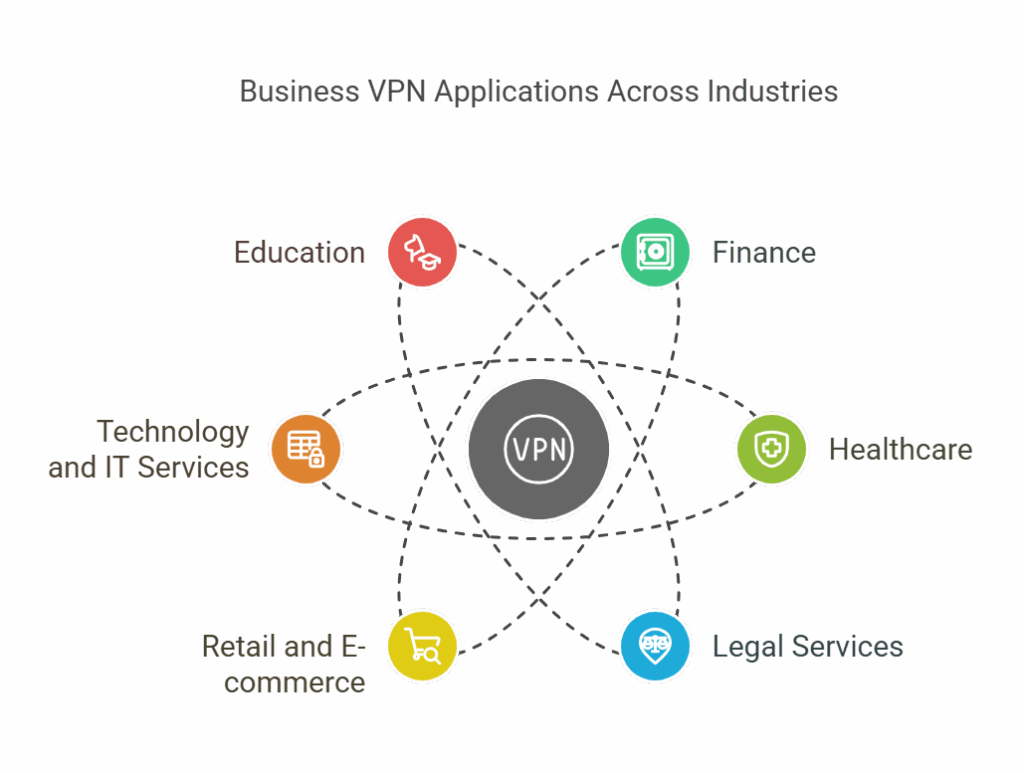
Many industries follow strict data rules. Health, finance, and government sectors must protect sensitive data. VPNs help meet these rules by securing data transmission. They provide logs and reports for audits. Using VPNs shows a company follows legal requirements. This protects the business from penalties and builds trust with customers.

Credit: thectoclub.com
Types Of Business Vpns
Businesses use different types of VPNs to protect their data and networks. Each type serves a specific purpose. Understanding these types helps companies choose the right VPN for their needs.
Site-to-site Vpns
Site-to-site VPNs connect entire networks. They link offices in different locations securely. This VPN type allows employees to access resources as if they were in the same building. It is ideal for companies with multiple branches.
Remote Access Vpns
Remote access VPNs let individual users connect to a company’s network. Employees working from home or on the go use this VPN. It provides secure access to files, apps, and databases. This type supports remote work and mobile teams.
Cloud Vpn Solutions
Cloud VPN solutions protect data in cloud services. They create secure tunnels to cloud platforms. Companies using cloud storage or apps benefit from this VPN. It helps keep online resources safe from cyber threats.
Key Features To Look For
Choosing the right business VPN solution means focusing on essential features. These features protect data and keep your network running smoothly. They also help your team work safely from anywhere. Knowing what to expect makes picking easier and safer.
Strong Encryption Protocols
Encryption protects your data from hackers and spies. A good VPN uses strong encryption methods like AES-256. This type of encryption is very hard to break. It keeps business secrets safe during online communication. Without strong encryption, sensitive information can leak.
Scalability And Performance
Businesses grow and change. Your VPN must handle more users and data over time. A scalable VPN adjusts without losing speed. Fast connection speeds keep work efficient. Slow VPNs cause delays and reduce productivity. Choose one that supports your current and future needs.
User Authentication Methods
Authentication confirms user identity before access. Strong methods include two-factor authentication and biometrics. These add extra layers of security. They stop unauthorized people from entering your network. Simple passwords alone are not enough for business protection.
Credit: nordlayer.com
Top Strategies For Vpn Deployment
Deploying a VPN in a business environment requires careful planning. The right strategies ensure security and smooth operations. This section highlights key steps for effective VPN deployment.
Assessing Network Requirements
Start by understanding your network needs. Identify the number of users and devices. Consider the types of data that need protection. Check the bandwidth and speed demands. This helps choose the right VPN solution. A clear assessment avoids future problems.
Implementing Multi-factor Authentication
Multi-factor authentication adds a layer of security. It asks users to verify identity in multiple ways. This reduces risks from stolen passwords. Use methods like SMS codes or authentication apps. It keeps your VPN access safer from attacks.
Regular Security Audits And Updates
Conduct security audits often to find weak points. Check for outdated software or settings. Keep VPN software updated to fix vulnerabilities. Regular updates protect against new threats. This practice maintains strong network defense.
Common Challenges And Solutions
Businesses face several challenges when using VPN solutions. These challenges can affect security, speed, and user experience. Understanding common issues helps in finding the right solutions. This section covers typical problems and practical ways to solve them.
Managing Vpn Access Controls
Controlling who can use the VPN is vital for security. Without clear access rules, unauthorized users might enter the network. Create strict policies that define user roles and permissions. Use multi-factor authentication to add a security layer. Regularly review access logs to spot unusual activity. This keeps sensitive data safe and limits risks.
Handling Bandwidth And Latency Issues
VPNs can slow down internet speed due to extra data encryption. This causes delays and affects work efficiency. Choose VPN servers near your location to reduce latency. Limit bandwidth use by setting rules for heavy applications. Use split tunneling to send only critical data through the VPN. These steps improve connection speed and user experience.
Addressing Compatibility Concerns
Different devices and software may not work well with all VPNs. This can cause connection problems and frustration. Pick VPN solutions that support various operating systems and devices. Test the VPN on different platforms before full deployment. Update VPN software regularly to fix bugs and improve compatibility. This ensures smooth and reliable access for all users.
Future Trends In Business Vpns
Business VPN solutions continue to evolve with new technologies and security needs. Companies demand stronger protection and easier access for remote teams. The future of business VPNs focuses on smarter security, faster connections, and better user control.
These trends help businesses stay safe in a world full of cyber threats. They also improve how employees connect to company resources from anywhere. Understanding these future trends helps businesses prepare for the next generation of VPN technology.
Integration With Zero Trust Models
Zero Trust means no one is trusted by default. Every user and device must prove they are safe before access. Business VPNs are adopting this model to reduce risks.
VPNs now check user identity and device security before allowing connections. This stops attackers who steal passwords or use unsecured devices. VPNs become smarter by verifying users continuously, not just once.
Advancements In Encryption Technology
Encryption keeps data private while moving over the internet. New encryption methods offer stronger protection and faster speeds. Businesses will see VPNs using better algorithms to secure sensitive information.
Quantum-resistant encryption is a future focus. It protects data against powerful computers that could break today’s codes. This ensures business data stays safe for years to come.
Adoption Of Ai For Threat Detection
Artificial Intelligence helps VPNs spot unusual activity quickly. AI analyzes patterns and alerts when something looks wrong. This speeds up response to cyber threats and stops attacks early.
AI also helps VPNs learn from new threats and improve over time. This makes business VPNs more reliable and adaptive to changing risks.

Credit: thectoclub.com
Frequently Asked Questions
What Is A Business Vpn Solution?
A business VPN solution secures company data by encrypting internet traffic. It allows safe remote access to company networks. This protects sensitive information from hackers and unauthorized users. Businesses use VPNs to ensure privacy, maintain compliance, and enable secure communication across different locations.
How Does A Business Vpn Improve Security?
Business VPNs encrypt all data transmitted between users and company servers. This prevents hackers from intercepting sensitive information. VPNs also mask IP addresses, making online activity anonymous. This reduces risks of cyberattacks, data breaches, and unauthorized access to corporate networks.
Can Business Vpns Support Remote Work Effectively?
Yes, business VPNs enable employees to securely access company resources from anywhere. They create a secure tunnel for remote connections, ensuring data privacy. This supports flexible work environments while maintaining strong security controls and compliance with company policies.
What Features Should A Business Vpn Have?
A good business VPN must offer strong encryption, multiple server locations, and reliable speed. It should support multiple devices and provide easy user management. Additional features like kill switch, split tunneling, and 24/7 customer support enhance its effectiveness.
Conclusion
Choosing the right business VPN keeps your data safe and private. It helps your team work securely from any place. VPNs also protect your company from cyber threats. Simple steps can lead to strong online security. Trust in a good VPN to support your business growth.
Stay safe, stay connected, and keep your work protected.