If you want to take your marketing efforts to the next level, Salesforce Marketing Cloud is the tool you need. Imagine reaching your customers with the right message, at the right time, on the right channel—every single time.
This platform helps you do exactly that by combining powerful data, smart automation, and personalized content. Whether you’re sending emails, mobile notifications, or social ads, Salesforce Marketing Cloud makes it simple to connect with your audience in ways that truly matter.
Ready to discover how this all-in-one solution can transform your marketing and boost your results? Keep reading to unlock the secrets behind its success.
Salesforce Marketing Cloud Essentials
Salesforce Marketing Cloud Essentials offer a solid foundation for businesses to engage customers effectively. This platform provides tools that help create personalized marketing campaigns. It focuses on reaching customers through multiple channels with ease.
Understanding the core aspects of this platform helps marketers use it better. It combines data, automation, and AI to improve marketing results. The following sections explain its key parts and how they work.
Platform Capabilities
Salesforce Marketing Cloud supports many marketing channels like email, SMS, and social media. It gathers customer data from different sources to form a single view of each customer. Marketers can then build personalized journeys tailored to individual preferences. The platform also allows testing campaigns to improve performance. Analytics tools provide insights to measure success and refine strategies.
Key Features
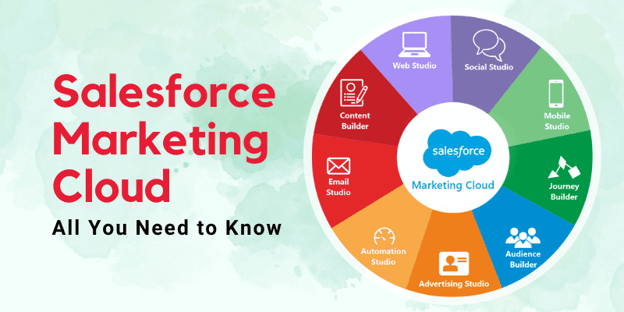
Email Studio helps create targeted email campaigns with ease. Journey Builder designs automated customer journeys based on behavior. Mobile Studio manages mobile messaging such as push notifications and SMS. Advertising Studio connects marketing efforts to social media and digital ads. Content Builder offers tools to create dynamic and personalized content. These features work together to deliver consistent messages across channels.
Role Of Ai And Data
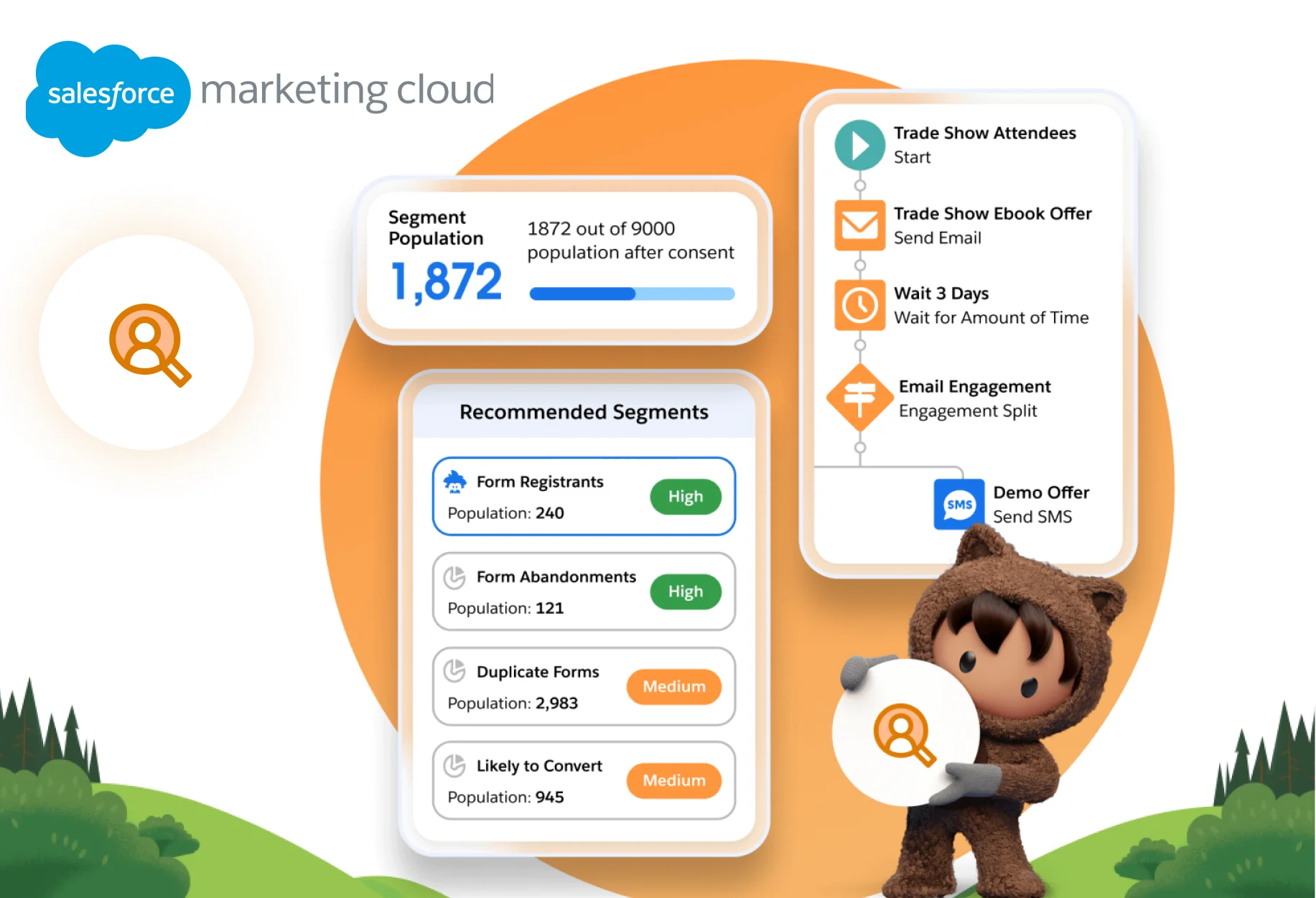
AI in Marketing Cloud analyzes customer data to predict behavior and preferences. It helps send the right message at the right time. AI powers recommendations for content and offers to boost engagement. Data unification creates accurate customer profiles by combining information from many sources. This data-driven approach improves targeting and personalization in campaigns. AI and data together make marketing smarter and more effective.
Customer Data Unification
Customer data unification is key for effective marketing today. It brings all customer information into one place. This helps businesses understand their customers better and deliver relevant messages. Salesforce Marketing Cloud excels at unifying data from many sources. This process creates a clear, complete view of each customer.
Building Unified Profiles
Salesforce Marketing Cloud builds unified profiles by collecting data from multiple touchpoints. It merges information from email, mobile, web, and social media. This creates a single profile for each customer. Marketers see customer preferences, behaviors, and history in one view. Unified profiles help tailor marketing efforts to each person.
Data Sources Integration
The platform integrates data from many sources effortlessly. CRM systems, websites, apps, and offline data all connect. This integration removes data silos and ensures accuracy. It keeps customer information up to date in real time. Clean and connected data drives smarter marketing decisions.
Activating Insights
Once data is unified, insights become usable. Salesforce Marketing Cloud uses AI to analyze profiles and predict behavior. Marketers use these insights to create targeted campaigns. They deliver the right message at the right time on the right channel. Activating insights boosts engagement and customer loyalty.
Cross-channel Engagement
Cross-channel engagement is vital for effective marketing today. Salesforce Marketing Cloud helps businesses connect with customers on many platforms. It creates a seamless experience by delivering the right message at the right time. This approach increases customer interaction and builds stronger relationships.
By using data from different sources, Salesforce Marketing Cloud personalizes communication. It ensures each channel works together smoothly. This unified strategy improves brand consistency and boosts marketing results.
Email Campaigns
Email remains a powerful tool for direct communication. Salesforce Marketing Cloud allows marketers to design personalized email campaigns quickly. The platform supports dynamic content that adapts to each recipient’s preferences.
Marketers can automate email sequences based on customer actions. Tracking tools measure open rates, clicks, and conversions. These insights help refine future campaigns for better engagement.
Mobile And Sms Marketing
Mobile marketing reaches customers on their most personal devices. Salesforce Marketing Cloud supports SMS and push notifications to deliver timely alerts and offers. Messages can be tailored based on location, behavior, or preferences.
Automated journeys guide customers through relevant content on mobile. This real-time connection increases response rates and keeps audiences informed. The platform also ensures compliance with messaging regulations.
Social And Web Interactions
Social media and web channels are key for customer engagement. Salesforce Marketing Cloud integrates with social platforms to manage posts, ads, and conversations. Marketers can listen to audience feedback and respond quickly.
The platform tracks web interactions, such as page visits and downloads. This data helps create personalized web experiences and targeted advertising. Combining social and web insights improves overall marketing performance.
Personalization And Content
Personalization and content lie at the heart of effective marketing in Salesforce Marketing Cloud. This platform helps brands deliver relevant messages to the right audience at the right time. Tailored content increases engagement and builds stronger customer relationships.
Salesforce Marketing Cloud uses data and smart tools to create unique experiences for each customer. By customizing messages based on behavior, preferences, and demographics, businesses can connect more deeply. This section explores how to use dynamic content, segmentation, and personalized journeys to boost marketing results.
Dynamic Content Creation
Dynamic content adapts automatically to match each recipient’s profile. It changes text, images, or offers based on customer data. This helps marketers send one email that feels personal to many different people. Dynamic blocks in emails or landing pages increase relevance and drive higher response rates.
Salesforce Marketing Cloud’s content builder makes it easy to design these flexible messages. Marketers can preview how content looks for various audience segments before sending. Using dynamic content saves time and improves customer experience without creating multiple versions.
Segmentation Strategies
Segmentation divides the audience into smaller groups based on shared traits. These traits include age, location, purchase history, and engagement level. Targeted segments allow marketers to send tailored offers that meet specific needs.
Salesforce Marketing Cloud offers powerful tools to build precise segments. Marketers can combine data from different sources to create refined groups. Accurate segmentation increases the chance that messages will resonate and prompt action.
Personalized Customer Journeys
Personalized journeys guide customers through relevant experiences step-by-step. These journeys use triggers like website visits or email clicks to deliver timely messages. Each path adapts to how customers interact, making marketing feel more natural and helpful.
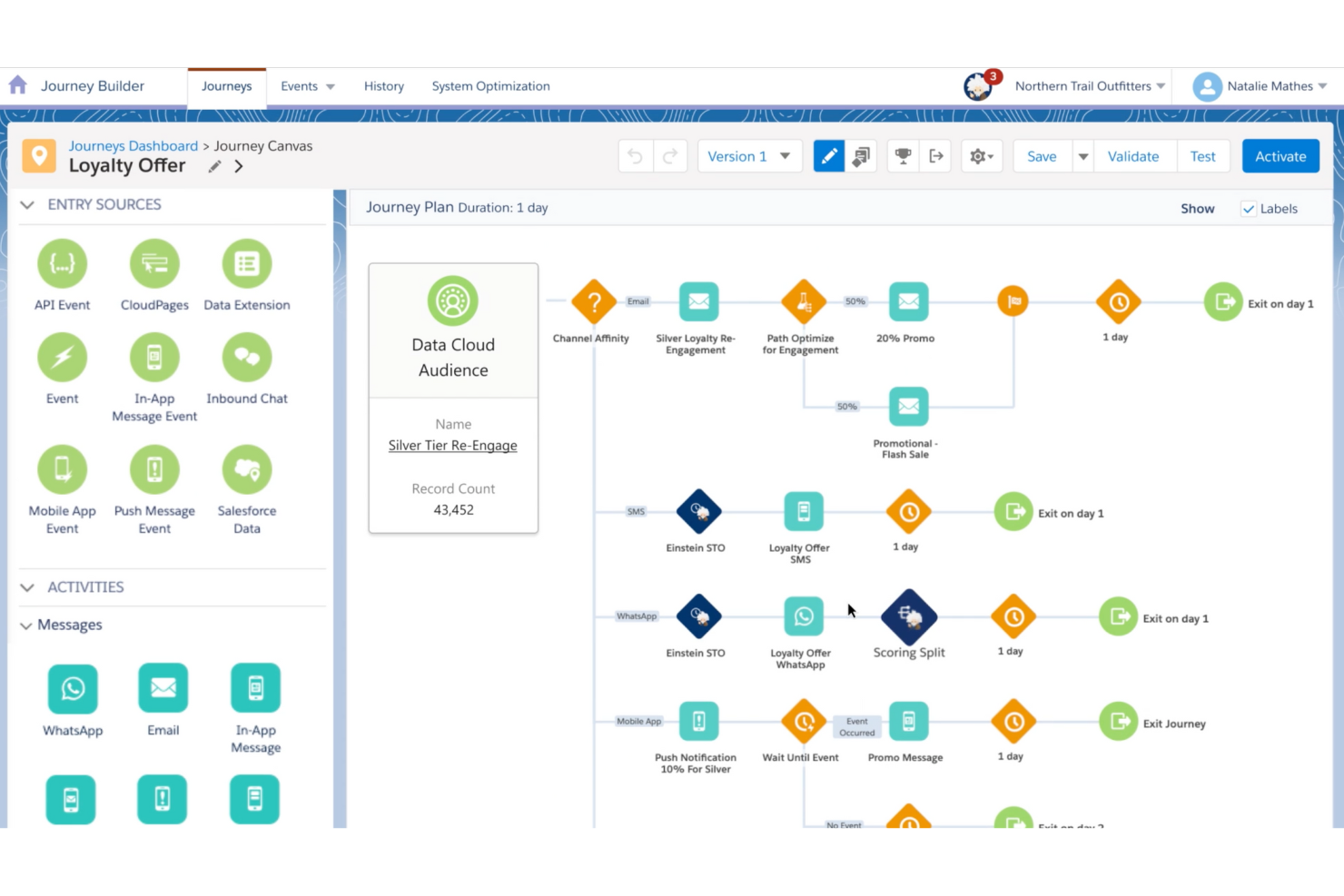
Journey Builder in Salesforce Marketing Cloud allows marketers to design these flows visually. It supports branching logic, decision splits, and multi-channel touchpoints. Personalized journeys improve engagement by offering content that fits each customer’s stage and interests.
Automation And Journey Builder
Salesforce Marketing Cloud offers powerful tools for automation and customer journey management. Automation and Journey Builder allow marketers to create tailored workflows. These tools help deliver the right message at the right time to each customer. They simplify complex marketing tasks and improve engagement by guiding customers through personalized experiences.
Designing Automated Workflows
Automation in Salesforce Marketing Cloud lets you design workflows that run on their own. You can set rules to send emails, update customer data, or assign tasks automatically. This saves time and reduces errors. Workflows can be simple or complex, depending on your needs. They help keep your marketing campaigns consistent and timely.
Multi-step Customer Journeys
Journey Builder helps create multi-step customer journeys. Each step represents a different interaction, like sending an email or showing an ad. You can map out the entire customer experience from start to finish. It allows you to guide customers through a personalized path based on their actions or preferences. This increases customer satisfaction and boosts conversion rates.
Real-time Interaction Triggers
Real-time triggers respond instantly to customer actions. For example, a purchase or website visit can start a specific journey. This makes your marketing more relevant and timely. Customers receive messages that match their current needs or interests. Real-time triggers improve engagement by keeping communication fresh and focused.
Credit: www.techcronus.com
Advertising And Targeting
Advertising and targeting are vital parts of Salesforce Marketing Cloud. They help businesses reach the right people with the right message. This improves customer engagement and boosts campaign success. Salesforce Marketing Cloud uses advanced tools to refine audience selection and ad delivery. Marketers can create precise campaigns that speak directly to their ideal customers.
Lookalike Audiences
Lookalike audiences help find new customers similar to existing ones. Salesforce Marketing Cloud analyzes data to spot patterns and traits. It then targets people who share these characteristics. This expands reach without wasting budget on uninterested users. The result is higher chances of conversions and sales.
Targeted Online Ads
Targeted online ads show personalized messages to specific groups. Salesforce Marketing Cloud integrates with social media and search platforms. This allows ads to appear where the audience spends time. Marketers can adjust ads based on behavior, location, and preferences. This precision lowers costs and raises engagement rates.
Leveraging Customer Data For Ads
Customer data is the foundation of effective advertising in Salesforce Marketing Cloud. It combines information from emails, purchases, and website visits. This data creates detailed customer profiles. Marketers use these profiles to tailor ads that match customer needs. Using real data leads to more relevant ads and better results.
Testing And Optimization
Testing and optimization are essential steps in using Salesforce Marketing Cloud effectively. They help marketers improve campaigns and increase customer engagement. By testing different elements and analyzing results, marketers can find what works best. This process ensures that each campaign performs better than the last.
A/b Testing Techniques
A/B testing compares two versions of a campaign to see which performs better. Marketers can test subject lines, images, or call-to-action buttons. Salesforce Marketing Cloud makes it easy to set up these tests. It splits your audience randomly and sends different versions to each group. This way, you learn what content drives more clicks and conversions.
Campaign Performance Metrics
Tracking key metrics shows how well your campaigns perform. Common metrics include open rates, click-through rates, and conversion rates. Salesforce Marketing Cloud provides detailed reports on these metrics. Marketers can see which messages engage the audience most. These insights help focus efforts on the most effective strategies.
Continuous Improvement
Optimization is an ongoing process. Use data from tests and metrics to refine campaigns regularly. Make small changes and monitor their impact. Salesforce Marketing Cloud supports this cycle with real-time analytics. Continuous improvement ensures campaigns stay relevant and effective over time.
Credit: www.messageblink.com
Analytics And Reporting
Salesforce Marketing Cloud offers powerful analytics and reporting tools. These tools help marketers track campaign performance and understand customer interactions. Clear insights improve marketing strategies and boost results. Data becomes easy to read and act upon.
Measuring Roi
Tracking return on investment (ROI) is simple with Marketing Cloud. Users can see how each campaign affects sales and revenue. This helps allocate budgets to the best-performing campaigns. Marketers avoid wasting money on ineffective efforts.
Insightful Dashboards
Dashboards display key metrics in a visual format. They show data like email opens, clicks, and conversions. Marketers get a quick overview of campaign health. Customizable views focus on the most important data points.
Data-driven Decision Making
Accurate data leads to smarter marketing decisions. Teams can identify trends and customer preferences easily. This allows them to adjust campaigns in real time. Marketing Cloud supports continuous improvement through data insights.
Boosting Roi With Expert Strategies
Boosting ROI with expert strategies in Salesforce Marketing Cloud demands a clear focus on smart execution. Businesses see better returns by using proven methods that refine customer engagement and streamline marketing processes.
Effective strategies reduce waste and increase conversion rates. They help marketers deliver the right message to the right audience at the perfect time. Let’s explore key best practices, common pitfalls to avoid, and ways to maximize marketing effectiveness.
Best Practices
Start with clean, organized data for precise targeting. Use Salesforce’s AI tools to analyze customer behavior. Personalize messages based on customer preferences and past interactions. Test campaigns using A/B testing to find what works best. Automate repetitive tasks to save time and reduce errors. Monitor real-time analytics to adjust campaigns quickly. Ensure mobile-friendly content since many users engage on phones. Focus on creating relevant content that adds value to customers.
Common Pitfalls To Avoid
Avoid sending generic messages that do not match customer needs. Don’t ignore data privacy rules and customer consent. Avoid overloading customers with too many emails or notifications. Neglecting regular data cleanup leads to inaccurate targeting. Skipping tests can cause low engagement and wasted budget. Overcomplicating journeys may confuse customers and reduce conversions. Failing to track results stops you from improving future campaigns.
Maximizing Marketing Effectiveness
Use Salesforce’s unified customer profiles to create seamless journeys. Combine email, SMS, and social media for a multi-channel approach. Leverage AI insights to predict customer needs and behaviors. Regularly update content to keep it fresh and engaging. Align marketing goals with sales teams to ensure consistency. Use detailed reports to measure ROI and guide decisions. Keep campaigns simple and focused on clear objectives. Engage customers with timely, personalized offers that drive action.
Credit: croclub.com
Getting Started With Salesforce Marketing Cloud
Getting started with Salesforce Marketing Cloud sets the foundation for effective digital marketing. This platform offers tools that help businesses connect with customers in smart ways. Understanding the setup process and available resources makes the journey smoother. Success depends on a clear plan, proper training, and knowing where to find support.
Implementation Tips
Begin by defining your marketing goals clearly. Identify key customer segments to target. Use Salesforce’s setup guides for step-by-step instructions. Focus on integrating your existing data sources early. Test campaigns on small groups before full launch. Keep your team informed during every phase. Monitor results closely and adjust strategies quickly.
Training Resources
Salesforce offers many free and paid training courses. Trailhead is a great place to start learning basics. Video tutorials explain features in simple steps. Webinars help users understand advanced tools. Certification programs boost your marketing cloud skills. Encourage your team to practice regularly for better results.
Partner And Support Options
Salesforce has a large network of certified partners. Partners assist with setup, customization, and strategy. They bring experience with similar businesses and industries. Support options include live chat, phone, and email. Use the Salesforce Help Portal for FAQs and guides. Choosing the right partner can ease complex challenges.
Frequently Asked Questions
What Is The Salesforce Marketing Cloud?
Salesforce Marketing Cloud is a digital marketing platform that personalizes, automates, and optimizes customer engagement across multiple channels using AI and unified data.
What Is The Difference Between Salesforce Crm And Marketing Cloud?
Salesforce CRM manages sales, customer service, and relationships. Marketing Cloud focuses on personalized marketing automation and multi-channel customer engagement. CRM drives sales processes, while Marketing Cloud enhances targeted marketing campaigns using data and AI.
What Is Salesforce Marketing Cloud Called Now?
Salesforce Marketing Cloud is now called Salesforce Marketing Cloud Genie. It enhances customer data unification and real-time personalization.
Is Salesforce Marketing Cloud Any Good?
Salesforce Marketing Cloud excels in personalizing and automating cross-channel marketing. It unifies data, enhances customer engagement, and provides powerful analytics for optimized campaigns.
Conclusion
Salesforce Marketing Cloud helps businesses connect with customers easily. It uses data to create personal, relevant messages. Marketers can automate tasks and track results quickly. This platform supports many channels like email, mobile, and social media. Users gain valuable insights to improve their marketing efforts.
Overall, it makes managing customer relationships simpler and more effective. Businesses of all sizes can benefit from these features. Exploring Salesforce Marketing Cloud can boost your digital marketing strategy.