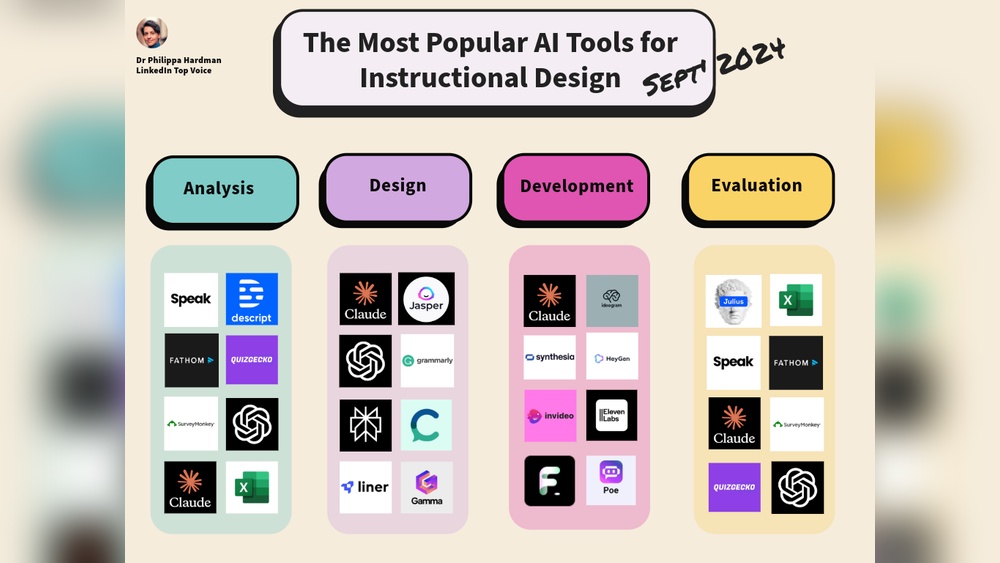
Are you struggling to make your brand stand out? Imagine having a tool that understands your audience and crafts the perfect identity for your business.
A brand kit creator software does exactly that—helping you create a unique, memorable brand without the usual hassle. If you want to save time, boost your creativity, and connect with your customers like never before, keep reading. This article will show you how an AI branding tool can transform your brand and give you the edge you need.
Credit: blog.duda.co
What Is an AI Branding Tool?
An AI branding tool is software that uses machine learning to help create and organize elements of a brand identity using artificial intelligence. Instead of designing everything manually, users provide basic input such as a business name, style preference, or industry, and the tool generates visual and sometimes written assets.
These tools typically create:
- Logo concepts
- Color palettes
- Font pairings
- Brand guidelines
- Social media visuals
Some platforms go further and assist with tone of voice, slogans, and messaging. The main goal is to reduce the time and effort required to build a consistent brand.
What Does An Ai Branding Tool Do?
An AI branding tool generates brand elements like logos, slogans, and color schemes. It studies your business goals and target audience. Then, it offers designs and messages that match your brand personality.
How Does An Ai Branding Tool Work?
The tool collects information about your business. It uses AI to create options based on trends and data. You can customize the results to fit your preferences.
Who Can Use Ai Branding Tools?
Anyone can use these tools, from entrepreneurs to marketing teams. They help people with little design experience create professional brands. They are ideal for those with limited budgets or time.
Benefits Of Ai In Branding
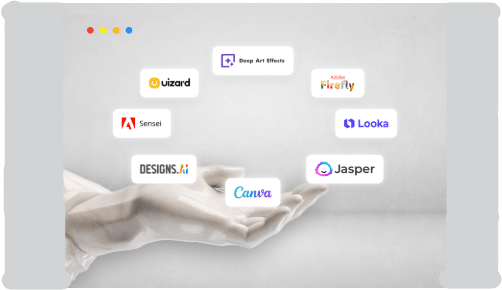
AI branding tools bring many benefits to businesses. They help brands grow faster and work smarter. These tools use smart technology to improve how brands connect with customers. They save time and reduce errors. AI also helps brands stay strong and clear everywhere. Using data, AI guides better decisions for branding strategies.
Speed And Efficiency
AI speeds up many branding tasks. It creates content, logos, and designs quickly. This saves hours of manual work. Brands can launch campaigns faster than before. AI tools handle repetitive tasks easily. This lets teams focus on creative ideas. Faster work means brands can adapt quickly to market changes.
Consistency Across Channels
Keeping a brand consistent is key. AI ensures the same look and message everywhere. From websites to social media, AI checks for uniform colors and fonts. It avoids mistakes that confuse customers. Consistent branding builds trust and recognition. AI helps brands stay true to their identity on all platforms.
Data-driven Insights
AI uses data to guide branding choices. It analyzes customer behavior and preferences. Brands learn what messages work best. AI tracks trends and competitor moves. This information helps make smarter marketing plans. Data-driven insights reduce guesswork and improve results. Brands can better meet customer needs and stand out.
Key Features To Look For
Choosing the right AI branding tool means focusing on features that help your brand grow. These tools should make branding easier and faster. They should also match your brand’s style and voice. Key features help you create a strong identity and connect with your audience.
Logo And Visual Design
A good AI branding tool offers logo creation with many style options. Many of these features are also available in brand kit creator tools that help maintain consistency across your entire brand. It should generate unique logos based on your inputs. You want tools that let you customize colors, fonts, and shapes. The design must look professional and match your brand image. Visual design tools should also help create social media images and banners.
Content Generation
Content is the voice of your brand. The AI tool should create clear and simple text for blogs, ads, and posts. It must write in a style that fits your brand personality. Look for tools that suggest headlines and captions. The best tools help avoid repetitive or dull content. Fast content creation saves time and effort.
Audience Analysis
Understanding your audience is key. AI tools with audience analysis show who your customers are. They provide data on age, location, and interests. This helps tailor your branding to what your audience wants. Some tools track how people react to your content. This insight helps improve your marketing strategies.
How Ai Transforms Brand Identity
AI changes how brands show themselves to the world. It helps create a clear, strong brand identity fast. Brands can connect better with their audience. AI tools make the process easier and smarter.
Personalization At Scale
AI allows brands to create messages that fit each person. It studies customer data to understand needs and interests. Brands can send tailored content to many people at once. This builds trust and makes customers feel special.
Enhanced Creativity
AI helps generate fresh ideas quickly. It suggests new designs, colors, and styles based on trends. Creators can try many options without extra effort. This leads to unique and eye-catching brand visuals.
Real-time Adaptation
AI tracks how customers react to a brand instantly. Brands can change their strategy right away. This keeps the brand relevant and interesting. It also helps avoid mistakes and improve customer experience.
Why AI Branding Tools Are Becoming Popular
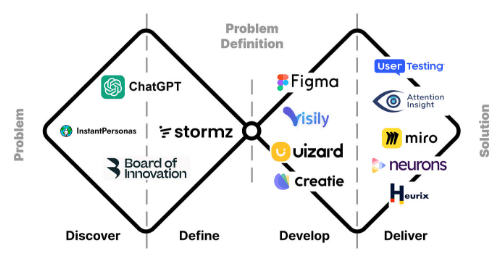
There are three main reasons these tools are gaining attention.
First, speed. What used to take days can now be done in minutes. This is especially useful for new website owners or small businesses that need to launch quickly.
Second, cost. Hiring a designer can be expensive, particularly for beginners. AI tools offer a more affordable alternative.
Third, accessibility. Not everyone has design skills. These tools remove the technical barrier and make branding more approachable.
However, popularity does not always mean effectiveness. That is why testing matters.
How I Tested These Tools
To keep the results fair, I used the same simple scenario for each tool: creating a basic brand identity for a small blog.
I evaluated each tool based on:
- Ease of use
- Quality of output
- Customization options
- Practical usefulness
Rather than judging them purely on features, I focused on how they perform in real situations.
Tools Included in This Test
The tools I tested include:
Each tool approaches branding differently, which makes the comparison more meaningful.
Canva: Best for Simplicity and Control
Canva stands out because it combines AI assistance with manual control. It does not rely entirely on automation, which makes it more flexible.
The brand kit feature allows users to define colors, fonts, and logos in one place. Once set up, these elements can be applied across designs consistently.
The main advantage is usability. Even someone with no design experience can create professional-looking visuals quickly. The drag-and-drop system is intuitive, and templates provide a helpful starting point.
However, Canva’s AI is not deeply specialized for branding. It helps with design suggestions but does not generate a full identity automatically. Some outputs can also feel familiar, especially if many users rely on the same templates.
Overall, Canva is best for those who want control and ease of use rather than full automation.
Adobe Express: Best for Polished Results
Adobe Express offers a more refined design experience. Its AI features focus on enhancing visual quality rather than generating entire brand systems.
The interface is clean, and the design assets are high quality. Compared to Canva, the results often look more professional, especially for users willing to spend a bit more time customizing.
One limitation is that it may feel slightly less beginner-friendly. While not complicated, it assumes some familiarity with design concepts.
Adobe Express works well for users who want a polished look and are willing to invest a little effort into refining their brand.
Looka: Best for Fast Brand Creation
Looka takes a different approach by focusing on speed. It generates logos and brand kits almost instantly after a few inputs.
This makes it appealing for users who want quick results without manual work. The generated brand kits include color schemes, fonts, and logo variations, which can be useful as a starting point.
However, the trade-off is flexibility. Once the design is generated, customization options are limited. If the initial output is not close to your vision, it can be difficult to adjust.
Looka is best used for rapid prototyping rather than final branding decisions.
Brandmark: Best for Clean Logo Ideas
Brandmark is focused primarily on logo creation. It uses AI to generate modern and minimal designs based on user input.
The results are often clean and visually appealing. For someone looking for inspiration, it can be a useful tool.
However, it does not offer a full branding system. There are limited options for building a complete brand identity beyond the logo.
Brandmark works best as a starting point for logo ideas rather than a complete solution.
Tailor Brands: Best for Business Integration
Tailor Brands positions itself as more than a design tool. It combines branding with business tools, such as website creation and marketing assets.
The branding process is guided, which makes it easy for beginners. It generates logos and visual elements while also suggesting ways to use them.
The downside is that it can feel restrictive. The subscription model and limited customization may not suit users who want more control.
Tailor Brands is suitable for those who want an all-in-one solution rather than a design-focused tool.
Jasper AI: Best for Brand Voice
Jasper AI focuses on written content rather than visual branding. It helps define tone, messaging, and communication style.
This is important because branding is not just visual. The way a brand speaks also shapes its identity.
Jasper can generate:
- Taglines
- Product descriptions
- Marketing copy
It ensures consistency in tone, which is often overlooked in branding.
However, it does not handle visual elements, so it works best alongside other tools.
ChatGPT: Best for Strategy and Ideas
ChatGPT is highly flexible and useful for brainstorming. It can generate brand names, slogans, and positioning ideas. Its strength lies in creativity. With the right prompts, it can help define a brand’s personality and direction.
Like Jasper, it does not create visual assets directly. Instead, it supports the strategic side of branding. Used correctly, it can complement design tools effectively.
Key Insights From Testing
After testing all these tools, a clear pattern emerged.
No single tool does everything well. Each one focuses on a specific part of branding, whether it is visuals, content, or strategy.
This means the best approach is not to rely on one tool alone. Instead, combining tools often produces better results.
For example:
- Use Canva for visuals
- Use ChatGPT for ideas
- Use Jasper for messaging
This combination creates a more complete brand.
Steps To Implement Ai In Your Branding
Implementing AI in your branding can improve efficiency and creativity. Follow clear steps to use AI tools effectively. This helps your brand grow and stay consistent. Focus on understanding your needs first, then pick the right AI tool. Finally, blend AI with your current branding strategies.
Assessing Brand Needs
Start by reviewing your brand’s strengths and weaknesses. Identify areas where AI can help, such as content creation or customer insights. Decide what goals you want to achieve using AI. This step ensures you choose the best solutions for your brand.
How to Choose the Right Tool
The best tool depends on your priorities.
If you want ease of use, choose Canva.
If you want polished visuals, consider Adobe Express.
If you want speed, Looka is a good option.
If you want strategy, use ChatGPT.
Understanding your needs will help you make a better choice.
Common Mistakes to Avoid
One of the most common mistakes is relying entirely on AI output without customization. This often leads to generic results.
Another mistake is inconsistency. Changing colors, fonts, or tone frequently can weaken brand identity.
Finally, some users spend too much time perfecting design details instead of focusing on content and growth.
A simple and consistent brand is usually more effective than a complex one.
Integrating With Existing Strategies
Combine AI tools with your current branding efforts smoothly. Use AI to enhance, not replace, your team’s work. Train your team on using the new tools effectively. Measure results regularly and adjust your strategy as needed. This keeps your brand consistent and strong.
Common Challenges And Solutions
AI branding tools offer many benefits but come with challenges. Understanding these common issues helps users apply solutions effectively. This section explains key challenges and ways to address them.
Maintaining Human Touch
AI tools can create content fast but may lack emotion. Brands need warmth and personality in messages. Adding human review ensures content feels real and relatable. Use AI for drafts, then edit with a human voice. This mix keeps content engaging and authentic.
Data Privacy Concerns
AI tools handle lots of data, raising privacy questions. Protecting user information is vital to build trust. Choose tools that follow strict privacy rules and encrypt data. Regularly update software to avoid breaches. Clear privacy policies help users feel safe sharing data.
Overcoming Technical Barriers
Some users find AI tools hard to use at first. Complex features can confuse beginners. Start with simple options to build confidence. Many tools offer tutorials and customer support. Practice helps users learn faster and use the tool well.
Future Trends In Ai Branding
The future of AI branding holds exciting possibilities. Brands will use AI in smarter and more creative ways. This will help companies connect better with their audience. AI will change how brands look, sound, and interact with customers.
AI tools will keep evolving. They will help create unique brand experiences. These trends will shape marketing and brand strategies in the coming years. Let’s explore some key trends in AI branding.
Voice And Visual Ai
Voice and visual AI will become vital for branding. Brands can use voice assistants to speak directly to users. Visual AI will help generate logos and images fast. It will also create videos that match brand style. These tools make branding more dynamic and engaging.
Hyper-personalized Experiences
AI will deliver personalized brand experiences to each customer. It will analyze user behavior and preferences closely. Brands can send tailored messages and offers. This makes customers feel valued and understood. Personalization will build stronger brand loyalty.
Ai-driven Brand Monitoring
AI will track brand reputation across the web continuously. It can detect customer feedback and trends in real-time. This helps brands respond quickly to problems or praise. Monitoring tools keep brand image consistent and positive. Companies will use AI to stay aware of public opinion.

Credit: www.reddit.com
Frequently Asked Questions
What Is An Ai Branding Tool And How Does It Work?
An AI branding tool uses artificial intelligence to create logos, names, and designs. It helps businesses build a unique brand quickly and easily.
Can Ai Branding Tools Improve My Brand Identity?
Yes, AI tools analyze trends and customer data to suggest strong brand elements. This leads to a clearer and more consistent brand identity.
Are Ai Branding Tools Affordable For Small Businesses?
Many AI branding tools offer low-cost plans ideal for small businesses. They save time and money compared to hiring a design team.
Conclusion
AI branding tools are powerful, but combining them with a structured brand kit creator software gives you long-term consistency and control.
AI branding tools help create strong and clear brand identities. They save time and bring fresh ideas to your projects. These tools make design simple, even for beginners. Using AI can improve how your brand looks and feels. It lets you focus on growing your business, not just designing.
Try AI branding tools to see how they fit your needs. They offer smart support without too much effort. Your brand can stand out with the right help. Simple, fast, and effective—AI branding tools are worth exploring.