
Imagine having a reliable helper who’s always ready to organize your day, remind you of important tasks, and even handle routine chores—all without you lifting a finger. That’s exactly what AI personal assistant tools can do for you.
Whether you want to stay on top of your schedule, draft emails quickly, or control your smart devices with just your voice, these tools are designed to make your life easier and more productive. Curious how to tap into this powerful technology and transform your daily routine?
Keep reading to discover the best AI personal assistants and how they can work for you.

Credit: www.heightsplatform.com
Top Ai Personal Assistants
AI personal assistants have become essential tools in daily life. They help with tasks, reminders, and information quickly. These assistants use smart technology to understand commands and respond naturally. Many options exist, each with unique features and strengths. Here we explore some of the top AI personal assistants available today.
Google Gemini Features
Google Gemini offers strong voice recognition and fast response times. It integrates well with Android devices and Google services. Users can set reminders, send messages, and control smart home devices easily. Gemini understands natural language and adapts to user habits. It also supports multitasking, helping manage several tasks at once.
Apple Siri Capabilities
Siri works smoothly across Apple devices like iPhones and Macs. It helps with calls, messages, and calendar events. Siri can answer questions, provide directions, and control smart home accessories. It learns user preferences to improve suggestions. Privacy is a key focus, keeping user data secure.
Amazon Alexa Functions
Alexa excels in home automation and entertainment control. It connects with many smart devices and services. Users can ask Alexa to play music, set timers, or shop online. Alexa supports voice commands for news, weather, and reminders. Its skills library grows constantly, adding new abilities.
Chatgpt As An Assistant
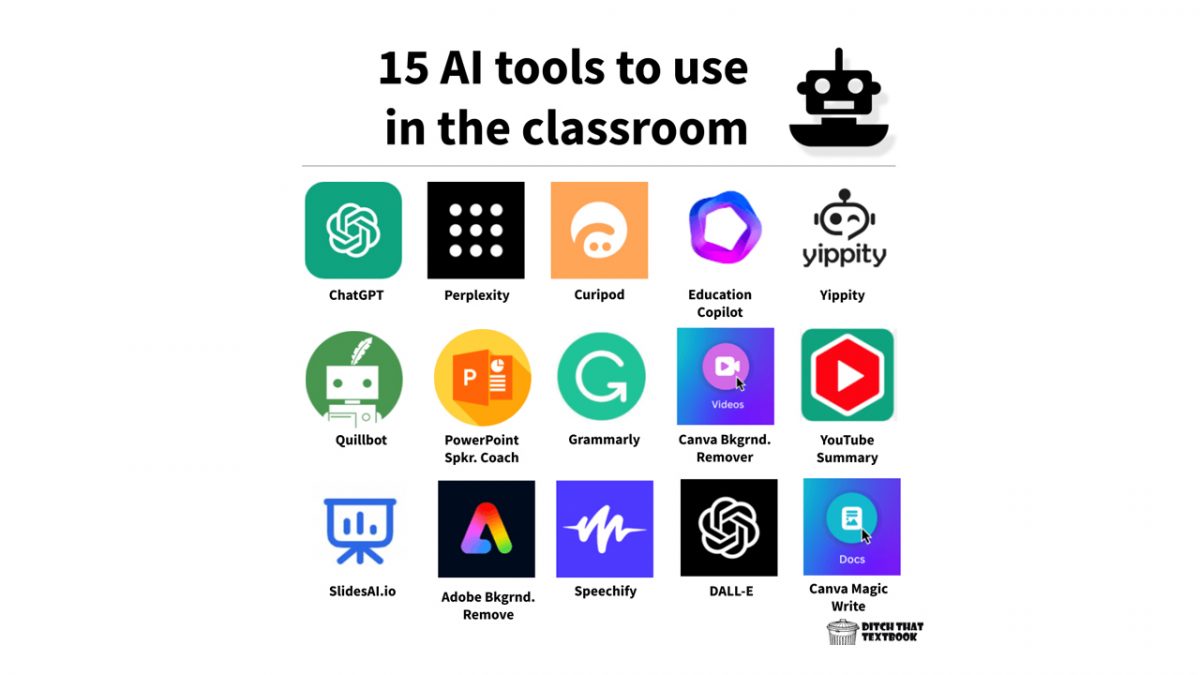
ChatGPT offers conversational support through text or voice. It helps draft emails, answer questions, and brainstorm ideas. ChatGPT adapts to various topics and styles. It can assist with learning, writing, and problem-solving. Unlike others, it focuses on rich, interactive dialogue.
Credit: www.ghacks.net
Key Benefits Of Ai Assistants
AI personal assistant tools offer many advantages that improve daily life. They help save time and reduce stress by handling routine tasks. These assistants work using voice or text commands to make life easier. Their abilities cover a wide range of needs, from managing schedules to controlling smart devices.
Managing Daily Tasks
AI assistants organize your calendar and set reminders. They create to-do lists and track deadlines. This helps keep your day structured and productive. You can stay on top of appointments without extra effort.
Handling Communication
These tools draft emails and send messages quickly. They can respond to simple questions and take notes. This reduces the time spent on routine communication. Your inbox stays organized with less hassle.
Automating Repetitive Tasks
AI assistants handle repetitive work like data entry or scheduling. They check calendars and find free time slots. This frees you from boring, repetitive chores. It allows focus on more important tasks.
Providing Quick Information
Ask your AI assistant any question for instant answers. They search the web and databases to find facts fast. This saves time compared to manual searching. You get reliable information in seconds.
Controlling Smart Devices
Voice-activated AI assistants control smart home gadgets. They adjust lights, play music, or change the thermostat. This adds convenience and comfort to your daily life. Managing devices becomes simple and hands-free.
How Ai Boosts Productivity
Artificial intelligence personal assistant tools help people work smarter. They take over small tasks that usually waste time. This lets users focus on bigger, important jobs. AI personal assistants handle many daily chores quickly and accurately. They improve how people manage their work and personal life. Using these tools boosts productivity by saving time and cutting down stress.
Saving Time On Scheduling
AI assistants check calendars and find free time fast. They suggest the best meeting slots without endless back-and-forth emails. Some tools automatically send invites and reminders to all participants. This reduces scheduling errors and missed appointments. Users spend less time planning and more time doing actual work.
Enhancing Email Management
AI tools sort emails into categories like urgent or promotional. They highlight key messages that need quick replies. Some assistants draft response suggestions to save typing time. They also remind users about unanswered emails. This keeps inboxes organized and communication smooth.
Supporting Note-taking And Writing
AI assistants capture meeting notes accurately in real time. They summarize long discussions into clear, short points. These tools help write emails, reports, and documents faster. They check grammar and suggest better words. This support reduces mistakes and speeds up writing tasks.
Streamlining Routine Workflows
AI automates repetitive tasks like data entry and report generation. It runs simple processes without human help. This cuts down manual errors and frees up time for creative work. Users get reminders for deadlines and follow-ups automatically. Routine work becomes smoother and less tiring.
Effective Use Of Ai Assistants
Using AI personal assistants effectively can greatly improve your daily productivity. These tools work best when you know how to communicate with them clearly and integrate them well into your routines. Simple habits help you get the most out of AI assistants and make tasks easier.
Here are key tips for using AI assistants in the best way.
Giving Clear Instructions
Speak or type simple and direct commands. Avoid long or complicated sentences. Use specific words to describe what you want. For example, say “Set alarm for 7 AM” instead of “Can you please wake me up early?” Clear instructions reduce errors and save time.
Break down complex tasks into smaller steps. This helps the AI understand better and complete tasks faster. Repeat or rephrase if the assistant does not get your request right the first time.
Integrating With Existing Apps
Connect your AI assistant with apps you already use. Link your calendar, email, and task manager for smooth workflow. This allows the assistant to access your data and help manage it efficiently.
Use the assistant to open, update, or create items in these apps. For example, ask it to add events to your calendar or send emails. Integration saves you from switching between multiple tools.
Providing Feedback For Improvement
Give feedback when the AI assistant makes mistakes. Most tools learn from corrections and improve over time. Tell the assistant what went wrong or what you want done differently.
Use feedback features or simply repeat the command in a clearer way. Regular feedback helps the AI adapt to your style and preferences. This makes future interactions smoother and more accurate.
Choosing The Right Ai Tool
Choosing the right AI personal assistant tool can boost your daily productivity. Each tool offers unique features and ways to interact. Some users prefer speaking to their assistant, while others like typing commands. Understanding your needs helps you pick the best option. Consider how the tool fits with your devices and habits. Privacy is also important as these assistants handle personal data. Pricing plans vary, so choose one that matches your budget and usage.
Assessing Voice Vs Text Assistants
Voice assistants respond to spoken commands. They work well when your hands are busy. Text assistants let you type questions or requests. They are useful in quiet places or noisy environments. Some AI tools combine both voice and text options. Choose based on your comfort and daily routine.
Compatibility With Devices
Check if the AI tool works on your phone, tablet, or computer. Some assistants work best on specific operating systems like iOS or Android. Others connect with smart home devices or car systems. Make sure the tool fits well with your existing technology. This ensures smooth and easy use every day.
Privacy And Security Considerations
AI assistants collect data to serve you better. Review how each tool protects your information. Look for features like data encryption and clear privacy policies. Avoid tools that share your data with third parties. Choose assistants that allow you to control your data settings. Keeping your information safe should be a top priority.
Pricing And Subscription Options
Many AI assistants offer free basic versions. Paid plans add extra features or remove limits. Compare what each plan includes and the costs involved. Some tools charge monthly fees, others offer yearly subscriptions. Pick a pricing plan that fits your budget and needs. Avoid paying for features you will not use.
Credit: vlbpo.com
Future Trends In Ai Assistance
The future of AI personal assistant tools promises exciting changes. These tools will become smarter, more helpful, and easier to use. Advances in technology will make them understand us better and assist us in new ways.
Advancements In Natural Language Processing
Natural Language Processing (NLP) helps AI understand human speech and text. Future AI assistants will better grasp complex sentences and slang. They will respond more naturally, making conversations smoother. This improvement means less frustration and more accurate help.
Improved Context Awareness
AI assistants will understand context more deeply. They will remember past interactions and user preferences. This awareness allows them to offer personalized help without repeated instructions. Context-aware AI will predict needs and act proactively.
Expanding Use Cases
AI personal assistants will move beyond basic tasks. They will support health monitoring, learning, and even creativity. Businesses and individuals will use AI for managing projects and solving problems. The range of applications will grow with user needs.
Integration With Emerging Technologies
AI assistants will connect with new technologies like augmented reality and smart devices. This integration will create seamless experiences across platforms. Users will control their environment and access information instantly. Combining AI with other tech will enhance daily life.
Frequently Asked Questions
Which Ai Tool Is Best For Personal Assistants?
Google Assistant stands out as the best AI tool for personal assistants. It excels in reminders, scheduling, and smart device control with seamless voice integration.
Is There Any Ai Personal Assistant?
Yes, AI personal assistants like Siri, Google Assistant, and Alexa manage tasks, schedules, and smart devices using voice or text commands.
Can Ai Act As A Personal Assistant?
Yes, AI can act as a personal assistant by managing schedules, sending emails, setting reminders, and controlling smart devices efficiently.
Conclusion
AI personal assistant tools make daily tasks easier and faster. They help organize schedules, send messages, and manage routines. These tools learn from your habits to serve you better. Using clear commands improves their accuracy and usefulness. Connecting them with your apps boosts efficiency.
Embracing AI assistants saves time and reduces stress. Try one today to simplify your work and life.