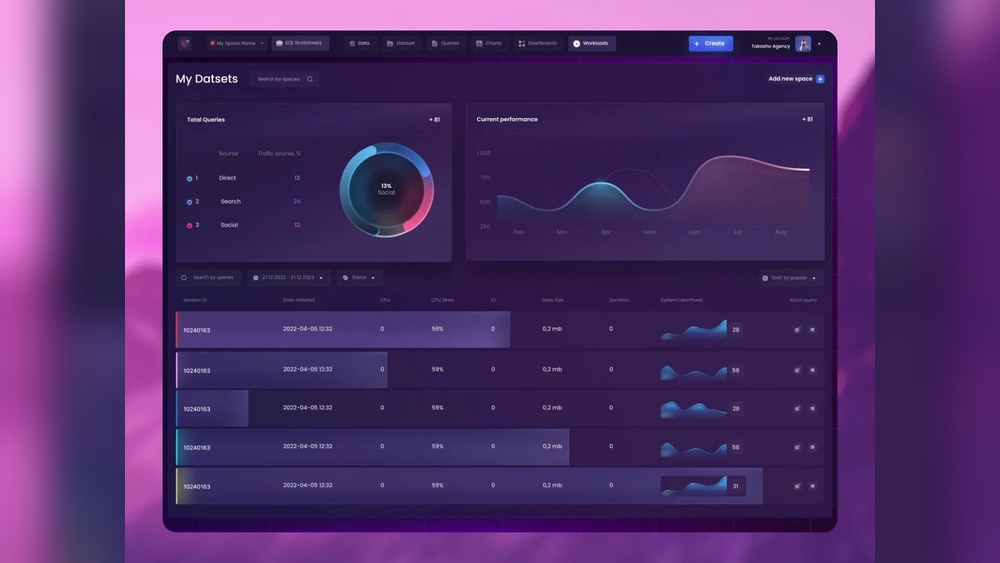
Have you ever wondered what happens behind the scenes when someone visits your website? Understanding your visitors’ behavior can unlock powerful insights that help you grow your online presence.
Analytics for websites gives you the tools to see exactly how people interact with your site. Imagine knowing which pages keep your visitors hooked, where they lose interest, and what drives them to take action. This knowledge is like a secret weapon for improving your site and boosting your success.
Ready to discover how website analytics can transform your online strategy? Keep reading to find out.
Choosing The Right Analytics Tool
Choosing the right analytics tool is key to understanding your website’s performance. The right tool helps track visitor behavior, measure traffic, and find areas to improve. Different tools offer various features. Some suit small sites, others fit large businesses. Picking the right one saves time and boosts results.
Popular Analytics Platforms
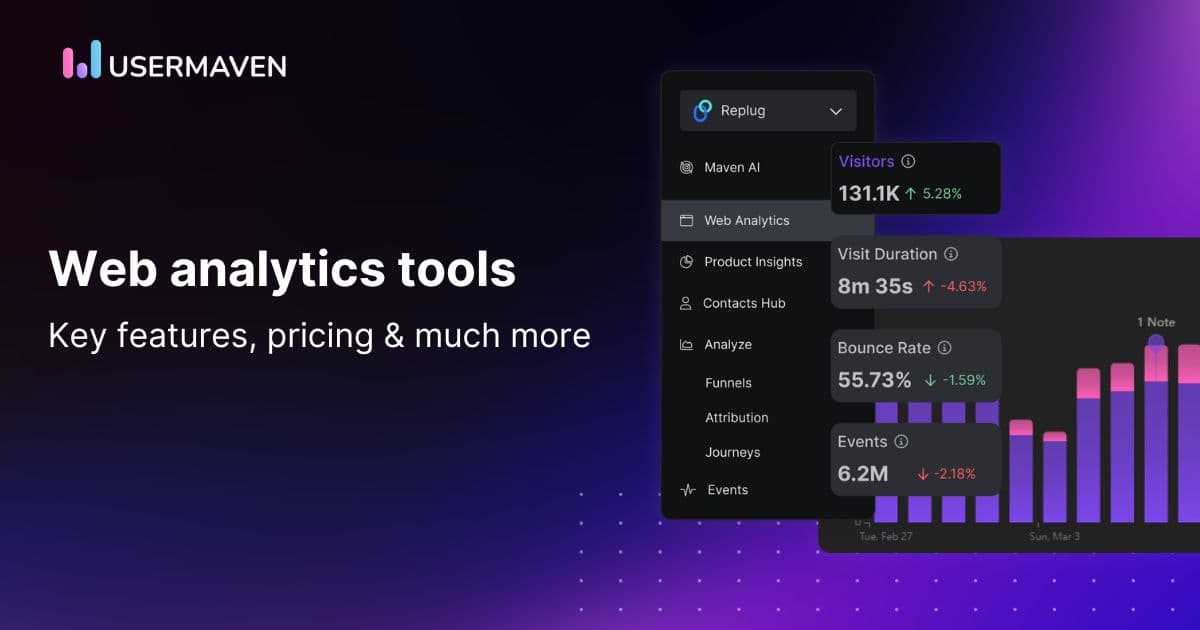
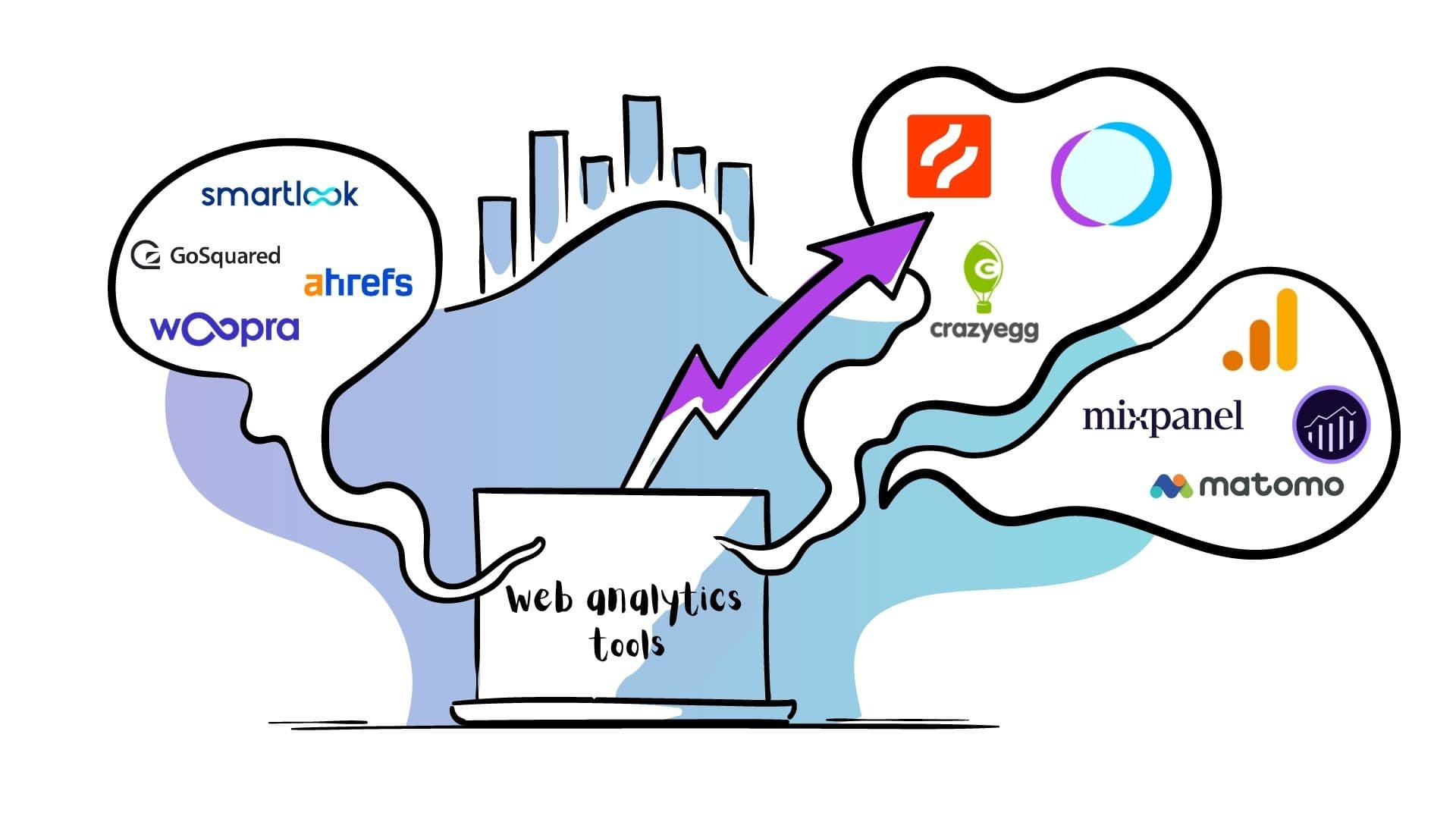
Google Analytics is the most popular choice. It offers detailed reports and is free. Matomo provides more privacy control and self-hosting options. Adobe Analytics suits big companies with complex needs. Clicky is simple and real-time. Each platform varies in cost, features, and ease of use.
Criteria For Selection
Start by checking ease of use. The tool should match your skill level. Look for clear reports and simple dashboards. Next, consider the features you need. Track visitors, conversions, or user paths? Think about data privacy and security. Also, check the cost and if it fits your budget. Good customer support helps solve problems fast. The right tool fits your goals and grows with your site.
Setting Up Analytics On Your Website
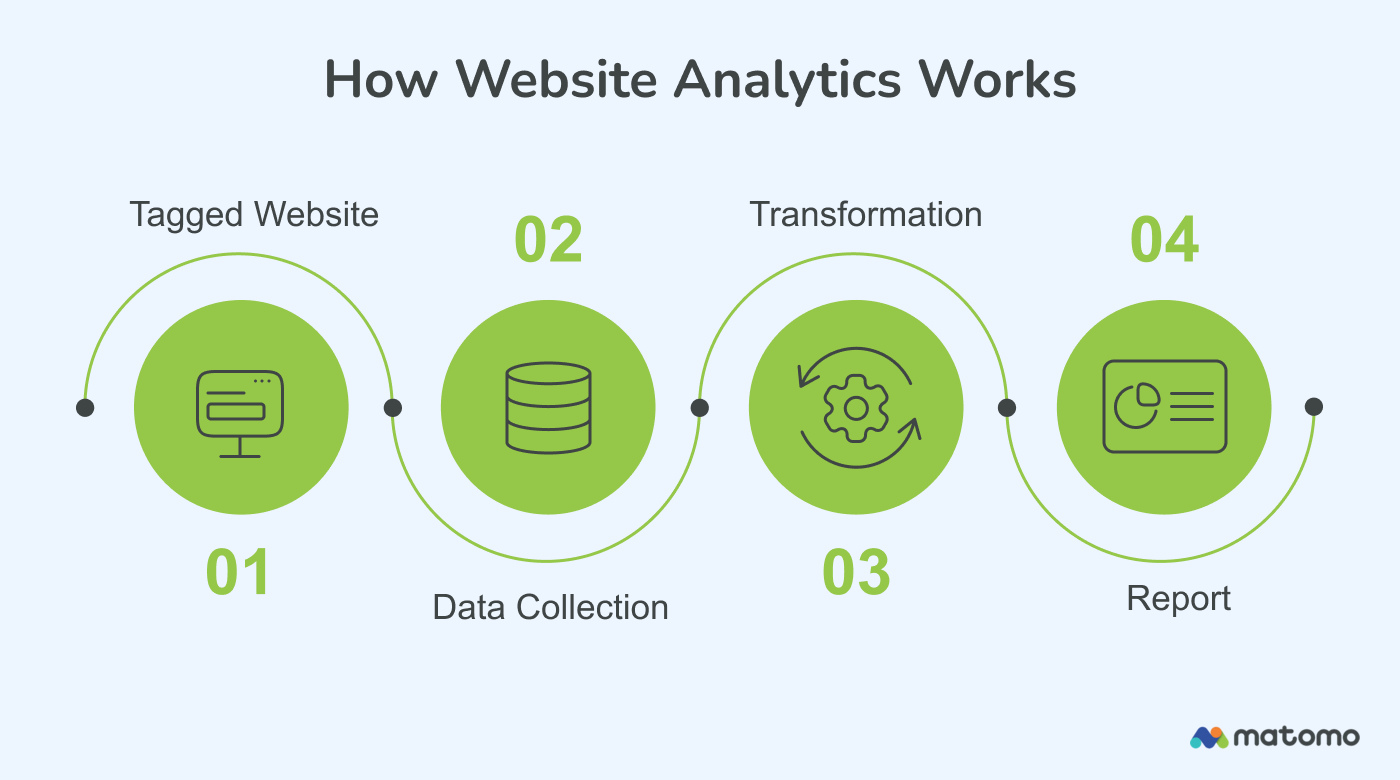
Setting up analytics on your website is the first step to understanding your visitors. It helps track user behavior, traffic sources, and website performance. This data guides you to improve your site and reach your goals.
Start by adding the right tools. Then, set metrics that matter most to your business. This way, you get clear, useful insights without confusion.
Installing Tracking Codes
Tracking codes collect data from your website visitors. Most analytics tools provide a small code snippet. Copy this code and paste it into your website’s header or footer.
Use a website builder or content management system to access your site’s code easily. Verify that the code is working by checking real-time reports in your analytics tool. This step ensures data starts flowing correctly.
Configuring Key Metrics
Select metrics that align with your website goals. Common metrics include page views, session duration, and bounce rate. For online stores, track conversion rate and average order value.
Set up goals or events to measure specific actions, like form submissions or downloads. Regularly review these metrics to understand visitor behavior. Adjust your website based on this data to improve user experience and results.
Key Metrics To Monitor
Tracking the right website metrics helps improve your online presence. These numbers show what works and what needs change. Focus on key data to make smart decisions and grow your site effectively.
Traffic Sources
Know where your visitors come from. Traffic sources include search engines, social media, direct visits, and referrals. This data shows which channels bring the most visitors. Understanding this helps you focus your marketing efforts wisely.
User Behavior
Observe how users interact with your site. Look at pages visited, time spent, and bounce rates. This information reveals what content attracts or loses visitors. Use it to improve user experience and keep visitors engaged longer.
Conversion Rates
Measure how many visitors complete desired actions. Actions can be purchases, sign-ups, or downloads. High conversion rates mean your site meets user needs. Track this metric to test and improve your calls to action.
Credit: matomo.org
Analyzing User Behavior Patterns
Understanding how visitors behave on your website helps improve user experience and boost success. Analyzing user behavior patterns shows what pages attract attention and which parts need changes. This data helps create a website that fits visitor needs and keeps them engaged longer.
Page Views And Session Duration
Page views reveal which pages are popular and how often they load. High page views usually mean visitors find the content useful. Session duration shows the average time visitors spend on your site. Longer sessions suggest visitors are interested and exploring multiple pages. Both metrics help identify strong content and areas needing improvement.
Bounce Rate Insights
Bounce rate measures how many visitors leave after viewing one page. A high bounce rate can indicate poor content or confusing design. It may also mean visitors do not find what they expect. Tracking bounce rate helps spot problems that drive visitors away. Lowering the bounce rate improves visitor retention and engagement.
Navigation Paths
Navigation paths track the route visitors take through your site. This data reveals which pages lead visitors to important actions. It also shows where users drop off or get lost. Understanding paths helps streamline site layout and guide visitors smoothly. Clear navigation increases satisfaction and encourages users to explore more.
Optimizing Content Based On Data
Optimizing content based on data helps improve your website’s performance. Data shows what works and what does not. It guides decisions to keep visitors engaged. Using analytics, you can focus on pages that bring value and fix those that do not. This approach makes your content more effective and user-friendly.
Identifying High-performing Pages
Start by finding pages with the most visits. These pages attract users and keep them interested. Look at metrics like time spent and bounce rate. Pages with longer visits usually have good content. Use this data to understand what your audience likes. Then, create similar content or update other pages to match this success.
Improving Low-engagement Content
Find pages with low visits or short visit times. These pages may need better content or design. Check if the topic is clear and useful. Add images, videos, or clear headings to make content easier to read. Test changes and track if engagement improves. Small updates can make a big difference over time.
Boosting Traffic With Seo Insights
Understanding SEO insights helps increase website traffic effectively. Analytics provide clear data about visitor behavior and keyword success. This information guides website owners to make smart changes. Simple improvements lead to better rankings and more visitors.
Keyword Performance Tracking
Tracking keyword performance reveals which words bring the most visitors. It shows which keywords rank well and which do not. Focus on high-performing keywords to attract more traffic. Spot low-performing keywords to improve or replace them. Regular checks help keep your SEO strategy up to date.
Enhancing On-page Seo
On-page SEO changes improve how search engines read your site. Use analytics to find pages with low engagement or high bounce rates. Adjust titles, descriptions, and content based on data insights. Optimize images and improve page speed to keep visitors. These small fixes boost traffic by making pages more appealing.
Using Analytics For Marketing Campaigns
Using analytics for marketing campaigns helps businesses track and improve their efforts. It shows how people respond to ads and content. This data helps marketers spend money wisely and reach the right audience. Analytics also reveals which parts of a campaign work well and which need changes. It makes marketing smarter and more focused.
Measuring Campaign Effectiveness
Analytics tools collect data on clicks, views, and conversions. These numbers tell how many people saw and acted on ads. Marketers can compare results across different platforms. This shows which ads bring the best results. Tracking sales or sign-ups from campaigns measures real impact. Clear metrics make it easy to judge success.
Adjusting Strategies With Data
Data points guide changes to improve campaigns. If one ad gets few clicks, try new images or messages. Analytics highlight audience behavior and preferences. Marketers can target users better based on this insight. Testing different tactics helps find what works best. Continuous adjustment saves money and increases results.
Advanced Analytics Techniques
Advanced analytics techniques help website owners understand their visitors deeply. These methods go beyond basic data. They reveal hidden patterns and future trends. This knowledge improves decision-making and user experience.
Advanced analytics can boost website performance. They identify user groups and predict behaviors. This creates more targeted strategies and higher engagement.
Segmentation And Cohort Analysis
Segmentation divides website visitors into smaller groups. Each group shares common traits. This helps find which groups perform best. Marketers can create tailored content for these groups.
Cohort analysis studies user groups over time. It tracks how behavior changes after specific actions. This shows how long users stay active. It also reveals when users drop off.
Both methods provide clear insights. They help improve user retention and conversion rates.
Predictive Analytics
Predictive analytics uses data to guess future outcomes. It applies statistical models and machine learning. Websites can forecast visitor actions like purchases or sign-ups.
This technique helps plan marketing campaigns better. It reduces guesswork and increases success chances. Predictive analytics also spots potential problems early. This allows quick fixes before issues grow.
Common Challenges And Solutions
Website analytics helps track visitor behavior and measure success. Yet, challenges often arise during data collection and analysis. These challenges can lead to incorrect insights or legal troubles. Understanding common problems and their solutions improves data reliability and compliance.
Data Accuracy Issues
Data accuracy is vital for making smart decisions. Errors occur due to tracking code mistakes or browser settings. Bots and spam traffic also distort real user data.
To fix this, verify tracking codes regularly. Use filters to remove bot traffic. Test data on different devices and browsers. Clean data before analysis for better results.
Privacy And Compliance
User privacy laws regulate data collection strictly. Non-compliance can cause fines and damage reputation. Laws like GDPR and CCPA require clear consent and data protection.
Implement cookie consent banners on your site. Limit data collection to what is necessary. Keep user data secure and update privacy policies often.
Credit: usermaven.com
Credit: outfunnel.com
Frequently Asked Questions
What Is Website Analytics And Why Is It Important?
Website analytics track visitor actions on your site to understand user behavior. It helps improve site design and content to attract more visitors. Knowing what works boosts your website’s success.
How Can Website Analytics Improve User Experience?
Analytics show which pages visitors like and where they leave. This data helps fix problems and make the site easier to use. Better user experience keeps visitors coming back.
Which Tools Are Best For Website Analytics?
Google Analytics is the most popular free tool for tracking website data. Other options include Adobe Analytics and Matomo, which offer more features. Choose a tool that fits your needs and budget.
Conclusion
Website analytics help you understand your visitors better. You see what works and what does not. This data guides your choices and improves your site. Tracking user behavior leads to smarter marketing efforts. Regular analysis keeps your content fresh and relevant.
Use simple tools to get clear insights. Stay patient and watch your website grow over time. Analytics is a key step for any online success. Keep learning and adjusting to meet your audience’s needs.