
Are you ready to turn your ideas into a full-fledged book without the usual struggle? Imagine having a tool that writes your book quickly, clearly, and creatively—saving you time and effort.
The best AI book writers can do just that, transforming your concepts into polished stories or guides with just a few clicks. But how do you find the right AI that fits your style and goals? You’ll discover top AI book writing tools, how to use them effectively, and important tips to avoid common pitfalls.
Keep reading to unlock the secret to writing your next book faster and smarter than ever before.
Top Ai Book Writers
Top AI book writers help authors create content faster and easier. These tools assist in drafting, editing, and organizing ideas. They support writers at every stage of book creation.
Choosing the right AI writing tool depends on your needs. Key aspects include features, ease of use, and cost. The following sections explore popular options to guide your choice.
Popular Ai Writing Tools
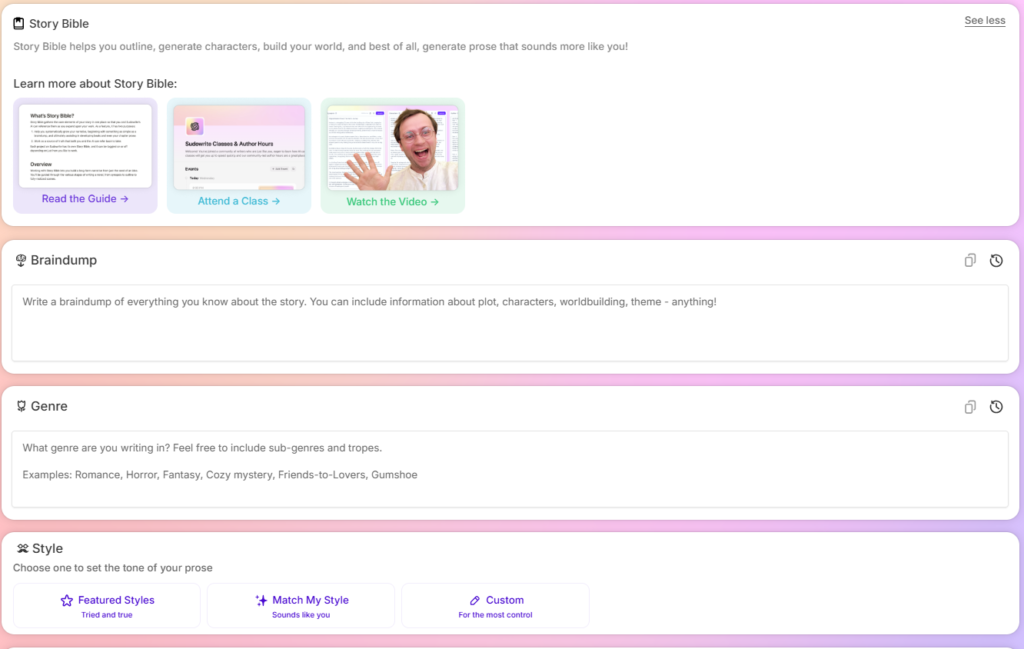
Several AI writing tools stand out for book creation. Jasper AI offers versatile content generation with creative tone options. Sudowrite focuses on fiction writers, providing idea prompts and style suggestions. Writesonic is known for quick drafts and simple interface. Copy.ai helps with brainstorming and rewriting content. Each tool has unique strengths for different writing tasks.
Features Comparison
Most AI writers provide text generation and editing. Jasper AI includes long-form content support and SEO integration. Learn more about Jasper AI here. Sudowrite offers story-specific features like character development aids. Writesonic excels in speed and template variety. Copy.ai emphasizes ease of use and creative prompts. Some tools have collaboration options and plagiarism checks. Choose features that match your writing style and goals.
Pricing And Accessibility
Pricing varies widely among AI book writers. Jasper AI charges monthly fees with different plans for individuals and teams. Sudowrite uses a subscription model with a free trial. Writesonic offers a pay-as-you-go plan and monthly subscriptions. Copy.ai provides a free plan with limited credits and paid upgrades. Most tools work online and require only a web browser. Accessibility is generally good for writers worldwide.

Credit: gravitywrite.com
Ai Writing Benefits
AI writing tools offer many benefits for authors and content creators. They help save time and improve the quality of writing. These tools assist with various tasks, from generating ideas to refining text. Using AI can make the writing process smoother and less stressful. Below are some key benefits of AI writing for book creators.
Speed And Efficiency
AI writing tools produce content much faster than humans. They can write large volumes in minutes. This saves authors hours of work. AI also helps avoid writer’s block by providing instant text suggestions. It allows writers to focus on editing and improving ideas instead of starting from scratch.
Idea Generation
AI can suggest creative ideas and plot points quickly. It helps overcome creative blocks by offering fresh perspectives. Writers get new angles and storylines to explore. This expands their imagination and makes books more engaging. AI acts like a brainstorming partner available anytime.
Improving Writing Flow
AI tools analyze text for clarity and coherence. They suggest smoother transitions between sentences and paragraphs. This improves the overall reading experience. AI also checks grammar and style to ensure consistent tone. Writers can polish their work faster with AI’s help.
Legal Challenges
Using AI book writers brings many legal challenges. These challenges affect authors, publishers, and readers. Understanding these issues helps avoid trouble and protects creative work. The main concerns include copyright limits, plagiarism risks, and liability problems.
Copyright Limitations
AI-generated content often lacks human authorship. The US Copyright Office says pure AI content cannot be copyrighted by users. Without human creativity, the work is not eligible for copyright protection. This means authors cannot claim full ownership of AI-written texts. Using AI as a tool is okay, but human input must be clear. Authors must add their own creativity to secure copyright rights.
Plagiarism Risks
AI models learn from existing books and texts. This can cause unintentional copying of copyrighted material. Sometimes AI repeats phrases or ideas from its training data. Such copying can lead to plagiarism claims. Authors must check AI content carefully for originality. Using plagiarism detection tools can reduce risks. Avoid publishing AI text without review or editing.
Liability Concerns
Publishing AI-generated work may create legal liability. If the content is defamatory or harmful, the publisher can be held responsible. Errors or false information may cause damage. Authors and publishers must ensure accuracy and fairness. Disclosure of AI use is often required by platforms. Not disclosing AI involvement can lead to penalties or bans. Being transparent protects both creators and readers.
Publishing Platform Rules
Publishing platforms have clear rules about AI-written books. These rules help keep the content fair and legal. They protect authors, readers, and the platform itself. Understanding these rules is key to successfully publishing your AI-assisted book.
Disclosure Requirements
Many platforms require authors to disclose AI use. This includes text, images, or translations made by AI. Disclosure means telling the platform your book used AI tools. It keeps the process honest and transparent. Some platforms have forms or sections to declare AI involvement.
Consequences Of Non-disclosure
Failing to disclose AI use can cause serious problems. Your book might be removed from the platform. You could lose any earned royalties. In some cases, your account may be suspended or banned. Non-disclosure damages trust between authors and platforms.
Professional Vs Self-publishing
Professional publishers often have stricter rules. They usually demand original work from the author. AI-generated content may be rejected by these publishers. Self-publishing platforms tend to be more flexible. Still, they expect transparency about AI usage. Knowing the difference helps you choose the right path.
Best Practices For Authors
Using AI to write books offers new opportunities and challenges. Authors must follow certain best practices to use AI ethically and effectively. These practices protect authors and respect readers’ expectations.
Understanding how to work with AI tools helps maintain trust and originality. Authors should balance technology with their unique creative voice. Legal guidance ensures authors avoid copyright and publishing issues.
Transparency With Ai Use
Authors should clearly state when AI helps create their work. Transparency builds trust with readers and publishers. Many platforms require disclosure of AI involvement. Being honest prevents penalties like removal or account suspension. Transparency also respects intellectual property rights and ethical standards.
Balancing Ai And Human Creativity
AI can assist in generating ideas or drafting text. Authors must add their own creativity and judgment. Purely AI-generated content lacks human originality and copyright protection. Using AI as a tool, not a replacement, keeps the work unique. This balance helps authors claim copyright and keep their voice.
Seeking Legal Guidance
AI-written books involve complex copyright and liability issues. Laws vary by country and platform rules differ. Consulting a legal expert helps authors understand rights and risks. Legal advice guides proper disclosure and copyright claims. It also reduces risks of plagiarism or defamation claims.

Credit: www.publishing.com
Ai Writing Quality
AI writing quality plays a crucial role in producing books that readers enjoy and trust. The best AI book writers focus on creating clear, engaging, and coherent content. Quality writing means the text is easy to read and free from errors. It also means the AI understands context and delivers relevant information. Without quality, AI-generated books risk losing reader interest and credibility.
Ensuring Readability
Readability means the text flows smoothly and is easy to understand. The best AI book writers use simple sentences and clear language. They avoid complex words and long paragraphs. This approach helps readers grasp ideas quickly. AI tools often check for sentence length, grammar, and word choice. These checks improve the overall reading experience. Good AI writing feels natural, like it was written by a human.
Avoiding Low-quality Content
Low-quality content can confuse or bore readers. AI writing tools must avoid repeating ideas or giving wrong facts. The best AI book writers use advanced algorithms to filter out poor content. They detect plagiarism and irrelevant information. AI systems learn from high-quality sources to improve output. This reduces errors and irrelevant details. Avoiding low-quality content keeps readers engaged and builds trust.
User Editing And Refinement
User editing is vital for refining AI-generated text. Even the best AI needs human review to polish the writing. Users can correct mistakes, add personal style, and improve clarity. Editing helps tailor the content to the target audience. Refinement ensures the book matches the author’s voice and purpose. Combining AI power with human touch results in a stronger final book.
Choosing Between Ai Models
Choosing the right AI model for writing a book can shape your entire project. Each AI offers unique strengths and works best in different scenarios. Understanding these differences helps you pick the one that fits your goals and style. Focus on clarity, creativity, and ease of use. Consider how each model handles storytelling, facts, and language flow. Your choice affects the quality and speed of your writing process.
Claude Vs Chatgpt
Claude and ChatGPT are popular AI writing tools. Claude often excels in creating clear and focused content. It tends to be concise and follows instructions well. ChatGPT is known for its versatility and creative responses. It can generate detailed and engaging stories easily. Both models use large datasets but differ in tone and output style. Pick Claude for straightforward tasks. Choose ChatGPT for imaginative and complex writing.
Selecting Based On Needs
Think about your book’s purpose and audience. Simple, factual books may benefit from Claude’s direct style. Fiction or creative nonfiction might suit ChatGPT better. Also, consider language support and user interface. Some AIs offer better editing tools and formatting options. Your comfort with the platform matters. Choose an AI that matches your writing speed and detail level.
Trial And Testing
Test different AI models before deciding. Use sample prompts to compare output quality. Look for coherence, tone, and error rates. Try writing a chapter or two with each AI. Notice which one feels natural and easy to work with. Testing reduces surprises later. Many AI tools offer free trials or demo versions. Use these chances to find the best fit for your book.
Credit: intellectualead.com
Frequently Asked Questions
Is It Illegal To Publish A Book Written By Ai?
Publishing a book written by AI is not illegal but involves legal risks. Copyright law does not protect purely AI-generated text. Publishers often require disclosure of AI use. Failure to disclose may lead to removal or penalties. Always add human creativity and seek legal advice.
Can Ai Write A Full Book?
AI can write a full book by generating content based on your topic or concept quickly and efficiently.
Is It Acceptable To Write A Book Using Ai?
Writing a book using AI is acceptable but requires transparency about AI use. Ensure human creativity guides the process. Disclose AI involvement to comply with publishing rules and avoid legal issues. AI cannot hold copyright, so claim rights only over your original contributions.
Conclusion
Choosing the best AI book writer depends on your needs and goals. These tools can help create content faster and easier. Keep in mind legal rules about copyright and disclosure. Always add your own ideas to make the book unique.
Use AI as a helper, not a full replacement. Being honest with publishers builds trust and avoids problems. With careful use, AI can support your writing journey well.