
You rely on tools like Semrush to guide your SEO strategy, but have you ever stopped to ask—how accurate is Semrush really? If you’re making important decisions based on its data, knowing the truth behind its numbers can save you time, money, and effort.
You’ll uncover what makes Semrush tick, where its data comes from, and how close it gets to the real picture of your website’s traffic, keywords, and competition. Stick with me, and you’ll learn exactly when to trust Semrush—and when to dig a little deeper—so your SEO moves hit the mark every time.
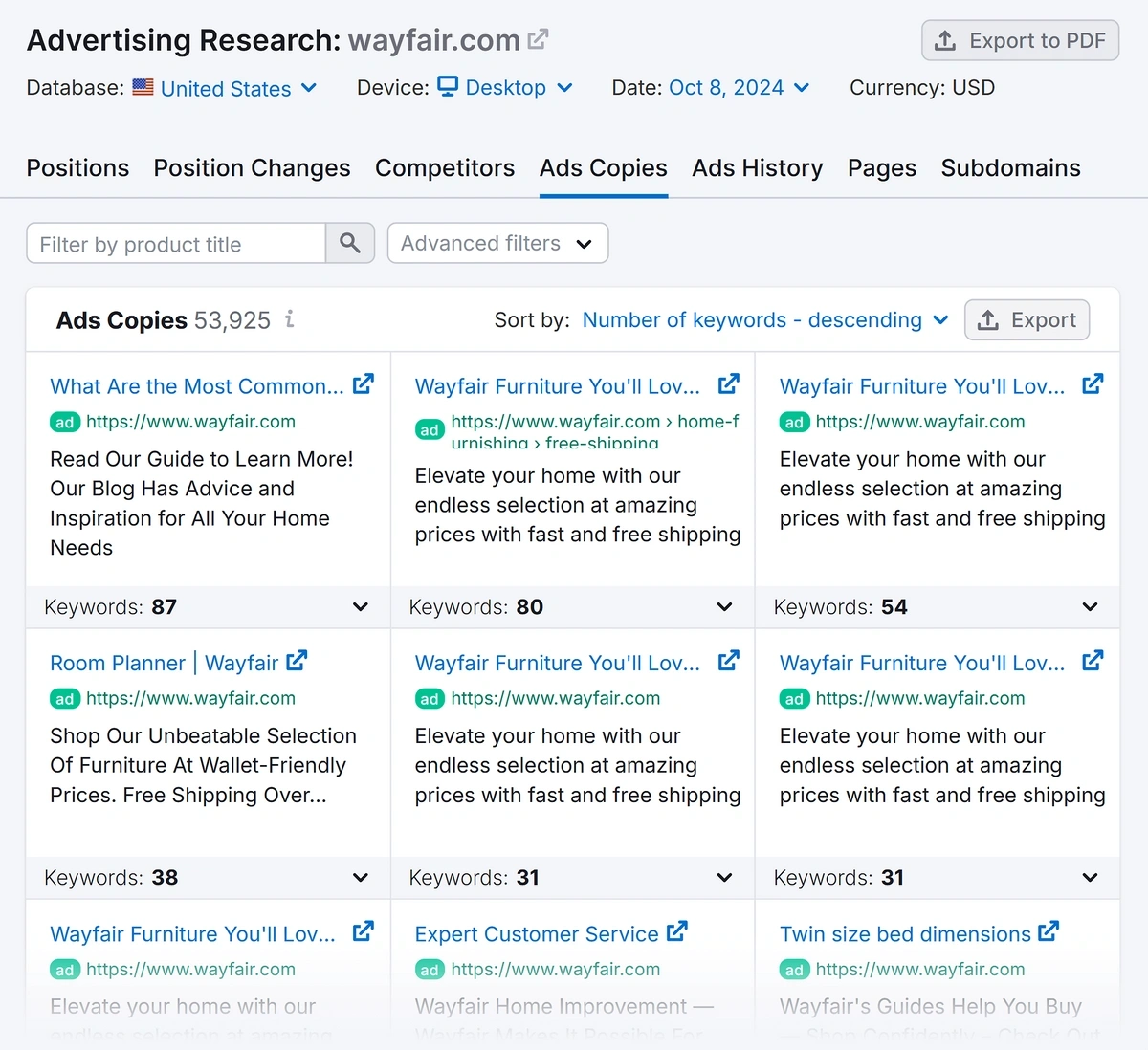
Credit: explodingtopics.com
Semrush Data Sources
Semrush gathers its data from multiple sources to deliver accurate insights. Each source adds unique value to the overall data quality. Understanding these sources helps evaluate how reliable Semrush information is.
Machine Learning Algorithms
Semrush uses machine learning to analyze large data sets. These algorithms detect patterns in search trends and user behavior. They help predict keyword performance and traffic estimates. This process improves data accuracy over time.
Search Engine Data
Semrush collects data directly from major search engines. This includes information on keywords, rankings, and search volume. It reflects real user searches and helps track website visibility. This source is crucial for SEO analysis.
Web Crawlers
Semrush deploys its own web crawlers to scan the internet. These crawlers gather data on backlinks, site structure, and content. They simulate how search engines view websites. This helps in providing detailed backlink profiles and site audits.
Clickstream Data
Clickstream data tracks user activity across websites. Semrush uses anonymized clickstream data from various providers. It shows actual user clicks and traffic flow between sites. This enhances traffic estimates and competitor analysis.

Credit: www.demandsage.com
Accuracy Of Keyword Research
Keyword research accuracy plays a vital role in SEO success. Semrush provides data that helps users find valuable keywords. Its accuracy influences content strategy and search rankings. Understanding how reliable Semrush’s keyword data is can guide better decisions.
Comparison With Other Tools
Semrush offers extensive keyword data similar to top tools like Ahrefs and Moz. It uses its own algorithms combined with data from search engines and clickstream sources. This mix helps deliver broad keyword insights. Some tools may show slightly different search volumes or trends. Differences arise because each tool uses unique data collection methods. Semrush tends to provide reliable volume estimates and keyword difficulty scores. It also covers more keywords for many languages and regions than some competitors.
Limitations And Strengths
Semrush’s keyword data is mostly accurate but still an estimate. It cannot capture real-time search behavior perfectly. Search volumes are rounded averages, not exact counts. New or very niche keywords may have less reliable data. Strengths include a user-friendly interface and detailed keyword metrics. Semrush updates its database regularly to improve accuracy. It also offers useful filters and keyword suggestions. Users should combine Semrush data with their own analytics for best results.
Traffic Data Reliability
Traffic data reliability is a key factor for anyone using Semrush. Knowing how accurate this data is helps marketers and website owners make better decisions. Semrush provides traffic estimates, but the question remains—how close are these numbers to real traffic?
Understanding the source and method of these estimates clarifies their reliability. It also highlights their strengths and limits. This section explores how Semrush collects and estimates traffic data, compares it to Google Analytics, and suggests practical uses.
Estimation Methods
Semrush uses several ways to estimate website traffic. It gathers data from clickstream sources, which track user behavior across many sites. The tool also uses its own web crawlers to collect information on pages and keywords.
Machine learning algorithms analyze this data to predict traffic numbers. These estimates are based on patterns, not exact counts. The numbers give a good idea of traffic trends, but they are not precise visitor counts.
Comparison With Google Analytics
Google Analytics tracks actual visitors to your site using a tracking code. This makes its data very accurate for your own website. Semrush, on the other hand, estimates traffic for any site, including competitors.
The estimates from Semrush can differ from Google Analytics data. Differences can be due to sampling, data sources, and timing. Google Analytics shows exact traffic, while Semrush provides useful approximations for competitive analysis.
Use Cases For Traffic Data
Semrush traffic data works well for market research and competitor analysis. It helps identify top-performing websites and content. Marketers can track traffic trends over time to spot growth or decline.
Use Semrush data to compare your site with others in your niche. It supports strategy planning and keyword targeting. Avoid relying on it for precise traffic counts. Instead, treat it as a strong directional guide.
Backlink Data Precision
Backlink data precision plays a vital role in SEO analysis. Accurate backlink information helps marketers understand their site’s authority. It also aids in identifying harmful links that might affect rankings. Semrush offers extensive backlink data, but its precision depends on several factors.
Data Collection Techniques
Semrush gathers backlink data through its web crawlers. These crawlers scan millions of websites regularly. The tool also uses third-party databases to expand its link index. Machine learning algorithms help filter and organize this data. Semrush updates its backlink database frequently to maintain freshness. This combination of methods ensures a broad and current backlink profile.
Accuracy Challenges
Despite advanced techniques, some accuracy challenges remain. Some backlinks may be missed if sites block crawlers. The tool might show outdated links that no longer exist. Linking structures can change rapidly, affecting data freshness. Semrush estimates link authority but cannot verify every link’s real impact. Users should consider these factors when analyzing backlink reports.
Semrush Vs Competitors
Comparing Semrush to its competitors helps understand its accuracy better. Many tools offer SEO insights, but each has strengths and limits. Users should know how Semrush stacks up against others. This section explores Semrush versus Similarweb, Ahrefs, and other SEO tools. It highlights data accuracy and usability differences.
Similarweb Comparison
Similarweb provides website traffic data from various sources. It collects data from internet service providers and direct measurement. Semrush uses machine learning and clickstream data. Similarweb may show broader traffic trends. Semrush often offers deeper keyword and backlink details.
Similarweb is strong in overall market analysis. Semrush excels in SEO metrics and competitive research. Both tools estimate traffic, but exact numbers may vary. Semrush’s data is usually more detailed for SEO tasks. Similarweb is better for general audience insights.
Ahrefs And Other Seo Tools
Ahrefs is a popular SEO tool known for backlink data. It crawls the web frequently to update link profiles. Semrush also tracks backlinks but with a different method. Ahrefs may find some links that Semrush misses and vice versa. Both tools provide keyword research and site audits.
Other SEO tools like Moz and Majestic have unique features. Moz focuses on domain authority and page optimization. Majestic specializes in link analysis with its own index. Semrush combines many features in one platform. Users choose tools based on specific SEO needs and budgets.
User Experiences And Feedback
User experiences and feedback are vital to understanding how accurate Semrush really is. Many users share their opinions online, revealing strengths and weaknesses. These insights help new users form realistic expectations. Below, we explore what the SEO community says and some common criticisms raised by users.
Seo Community Insights
The SEO community often praises Semrush for its comprehensive data. Many find its keyword research quite reliable for planning campaigns. Users appreciate the detailed competitor analysis that helps identify market gaps. Several professionals mention that Semrush’s backlink data matches well with other tools. The tool’s user-friendly interface receives positive remarks too. Some SEO experts rely on Semrush to track ranking changes effectively. Forums and social media show many success stories using Semrush data. Overall, the community sees it as a valuable resource for SEO tasks.
Common Criticisms
Some users report that Semrush traffic estimates can be off at times. The tool uses algorithms and third-party data, which may cause occasional inaccuracies. A few complain about delays in updating keyword volume or position data. Others find the backlink data less complete compared to specialized backlink tools. Some beginners feel overwhelmed by the many features and data points. Pricing and subscription plans have also been a concern for some users. Despite these issues, most agree the tool provides useful, though not perfect, data.
Best Practices For Using Semrush Data
Using Semrush data effectively requires smart strategies. Accuracy depends on how you analyze and verify the information. Following best practices improves your results and decision-making.
Semrush offers many useful insights, but no tool is perfect. Treat its data as a guide, not absolute fact. Combining it with other methods brings more clarity and confidence.
Cross-verification Strategies
Check Semrush data against other trusted sources. Compare keyword volumes with Google Keyword Planner or Google Search Console. Look for similar trends and patterns.
Verify traffic estimates by comparing with your own website analytics. Spot big differences and investigate causes. This helps avoid mistakes based on wrong assumptions.
Regularly update your data checks. Search trends and volumes change fast. Cross-verification keeps your strategy fresh and reliable.
Combining Tools For Accuracy
Use more than one SEO tool to get complete insights. Ahrefs, Moz, and Ubersuggest complement Semrush well. Each tool has unique strengths and data sources.
Mix backlink analysis from Semrush with link data from other platforms. This broadens your view and confirms link quality. It reduces risk of missing key opportunities.
Blend keyword research tools to balance volume, difficulty, and intent data. This supports better content planning and PPC campaigns. Combining tools reduces errors and boosts confidence.
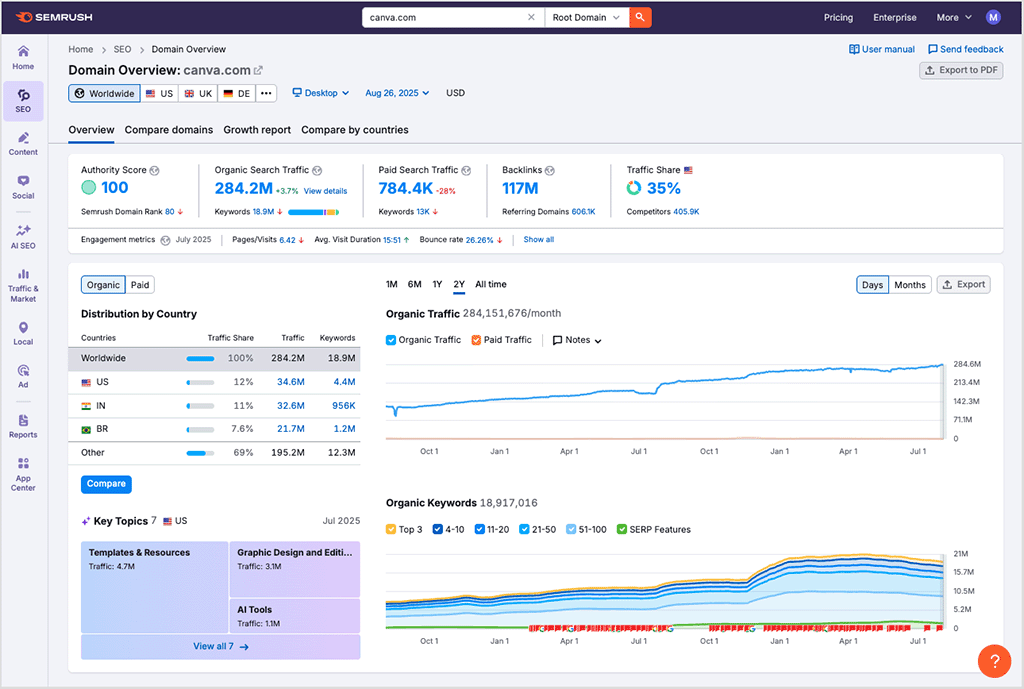
Credit: www.stylefactoryproductions.com
Frequently Asked Questions
Is Semrush Credible?
SEMrush is a credible SEO tool widely trusted for keyword research, competitive analysis, and backlink data. It uses advanced algorithms and multiple data sources for reliable insights. While estimates vary slightly from Google Analytics, SEMrush provides accurate, actionable marketing data for professionals.
What Is The Most Accurate Keyword Research Tool?
SEMrush is among the most accurate keyword research tools, using machine learning and diverse data sources. It offers reliable insights for SEO professionals.
Where Does Semrush Get Its Data?
SEMrush gathers data from search engines, its own web crawlers, clickstream data, and machine-learning algorithms to provide accurate insights.
Is Semrush Better Than Google Analytics?
SEMrush excels in SEO, keyword research, and competitor analysis. Google Analytics provides detailed website traffic and user behavior data. Choose SEMrush for marketing insights, Google Analytics for precise site performance tracking. Both tools serve different purposes and complement each other effectively.
Conclusion
Semrush provides reliable data for SEO and keyword research. Its traffic numbers are estimates, not exact counts. Use it to understand trends and competitor strategies. Pair Semrush with other tools for best results. Accuracy may vary by data type and industry.
Overall, Semrush remains a useful tool for many marketers. Trust it as a guide, not a precise measurement.