
Are you wondering which voice assistant truly deserves a spot in your daily life? Siri, Google Assistant, and Alexa all promise to make your tasks easier, but which one fits your needs best?
Choosing the right assistant can save you time, reduce stress, and even add a bit of fun to your routine. You’ll discover the strengths and weaknesses of each assistant, helping you make a smart choice that feels like it was made just for you.
Keep reading to find out which one will become your perfect digital companion.
Voice Recognition Accuracy
Siri, Google Assistant, and Alexaeach use wake words to start listening. Siri responds to “Hey Siri,” Google Assistant to “Hey Google,” and Alexa to “Alexa.” All three are good at detecting these words quickly, but Google Assistant is often the fastest and most accurate in noisy places.
Accent and language support vary. Google Assistant supports the most languages and accents. Alexa and Siri cover fewer but still many languages. Google Assistant better understands different accents, making it easier for many people to use.
Response speed is important. Google Assistant usually answers fastest, followed by Alexa. Siri takes a little longer, especially with complex questions. Speed depends on internet connection and device power too.
Credit: www.pocket-lint.com
Smart Home Integration
Siriworks best with Apple deviceslike HomePod and iPhone. Google Assistantsupports many brands, such as Nest and Chromecast. Alexahas the widest range, working with thousands of smart home devices.
Automation is easy with all three assistants. Alexaoffers many customizable routines. Google Assistantuses voice commands to control smart devices quickly. Siriintegrates well with Apple’s HomeKit for smooth automation.
| Assistant | Security Features |
|---|---|
| Siri | Uses end-to-end encryption and local processing for privacy. |
| Google Assistant | Offers voice match and encrypted data storage on Google servers. |
| Alexa | Includes voice recognition and options to delete voice history. |
Information Retrieval
Google Assistantoften provides the most accurate results. It uses Google’s powerful search engine. Sirirelies on Bing and other sources, making its accuracy a bit lower. Alexadepends on Amazon’s search data and third-party skills, so results may vary.
Contextual understandinghelps assistants answer better. Google Assistant understands follow-up questions well. Siri tries to keep context but can miss some details. Alexa works best with simple commands and struggles with complex context.
For real-time updates, Google Assistant and Alexa both do well. They provide weather, news, and traffic updates quickly. Siri also offers updates but may be slower or less detailed. Google’s strong connection to the web gives it an advantage here.
Personalization Options
Sirilearns user preferences by analyzing past commands. It adapts to how you speak and what you ask often. Google Assistantuses data from your Google account to personalize answers and suggestions. It remembers your favorite places and routines. Alexacustomizes experiences by tracking your daily habits and voice commands. It offers personalized skills and routines.
All three assistants allow routine customization. Siri lets you set shortcuts for daily tasks. Google Assistant creates routines triggered by time or location. Alexa enables complex routines with multiple actions in one command.
Proactive suggestionsdiffer too. Siri suggests actions based on app usage and calendar events. Google Assistant offers reminders and tips based on your schedule and interests. Alexa provides suggestions through notifications and voice alerts to help manage your day.
Entertainment Features
Music and Media Control:Siri, Google Assistant, and Alexa all play music and control media easily. Google Assistant can stream from many services like YouTube Music and Spotify. Alexa supports Amazon Music and other popular apps. Siri works well with Apple Music but fewer third-party apps. Voice commands let you pause, skip, or change volume quickly.
Games and Fun Interactions:Alexa offers many fun games and quizzes to play. Google Assistant has jokes, trivia, and interactive stories. Siri provides simple games and can tell jokes or fun facts. Each assistant tries to make users smile with easy, playful chat.
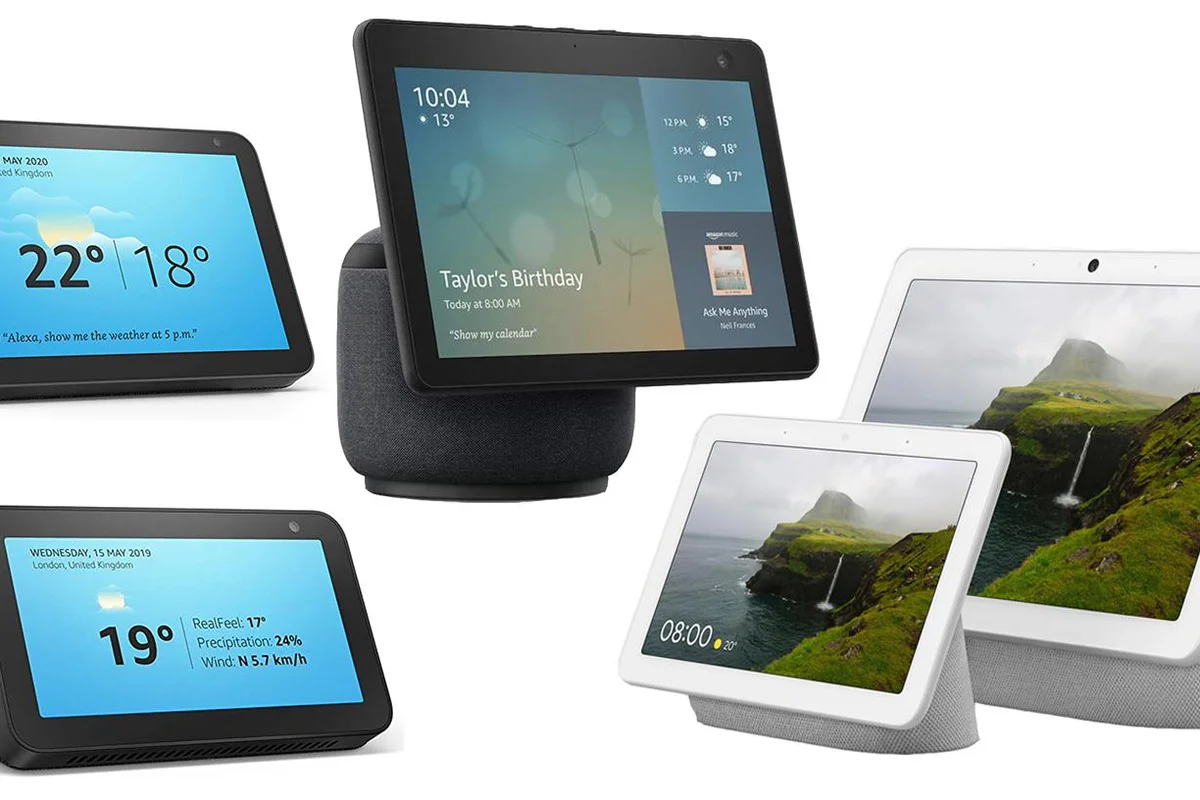
Multi-User Support:Alexa and Google Assistant recognize different users by voice. They give personalized answers for each person. Siri has limited multi-user features and works best with one user’s device. This helps families or groups get their own news, music, or reminders.
Credit: www.gearbrain.com
Device Compatibility
Siriworks best with Apple deviceslike iPhones and iPads. It is built into iOS and iPadOS. Google Assistantworks on both Androidand iOS devices. It also supports many smartphones and tablets. Alexamainly works with Amazon devices but also has apps for Android and iOS.
For wearables, Siri runs on Apple Watch. Google Assistant is on Wear OS watches and some Fitbit models. Alexa appears on fewer wearables but can connect to some smartwatches and earbuds.
All three assistants work with third-party apps. Siri uses Siri Shortcuts to integrate apps on Apple devices. Google Assistant connects with many Android apps and services. Alexa has a vast number of skills that work with various apps and smart home devices.
Privacy And Data Security
Siri, Google Assistant, and Alexacollect data to improve services. Siri limits data sharing more than others. Google Assistant gathers more voice and activity data. Alexa stores voice recordings but lets users delete them.
User control settings vary. Siri offers strong privacy controls within Apple devices. Google Assistant allows users to review and delete data. Alexa provides options to manage voice recordings and privacy preferences.
| Feature | Siri | Google Assistant | Alexa |
|---|---|---|---|
| Data Collection | Minimal, mostly on-device | Extensive, cloud-based | Voice recordings saved |
| User Control | Strong privacy settings | Data review and deletion | Manage voice recordings |
| Encryption | End-to-end encryption | Data encrypted in transit | Encrypted voice data |
Cost And Availability
Siri, Google Assistant, and Alexaoffer many free features. Basic voice commands, reminders, and weather updates come at no cost. Some advanced features, like smart home controls or music streaming, may need paid subscriptions.
Regional availabilityvaries. Siri works best on Apple devices and is limited to Apple-supported regions. Google Assistant is widely available on many Android devices worldwide. Alexa is mostly found in smart speakers and some third-party devices, with a strong presence in the US and Europe.
| Device | Price Range | Notes |
|---|---|---|
| Siri | Included with Apple devices | Costs depend on Apple device prices |
| Google Assistant | Free on Android, $25-$100 on smart speakers | Works on many Android phones and smart devices |
| Alexa | $30-$250 for Echo devices | Wide range of smart speakers and displays |

Credit: www.temok.com
Frequently Asked Questions
What Are The Main Differences Between Siri, Google Assistant, And Alexa?
Siri integrates best with Apple devices, Google Assistant excels in search and context, and Alexa offers extensive smart home compatibility. Each assistant has unique strengths tailored to different user needs and ecosystems.
Which Voice Assistant Is Best For Smart Home Control?
Alexa leads in smart home device compatibility, supporting thousands of gadgets. Google Assistant follows closely, while Siri works well within Apple’s HomeKit environment. Choose based on your existing smart devices and ecosystem preferences.
How Accurate Are Siri, Google Assistant, And Alexa?
Google Assistant generally provides the most accurate and context-aware responses. Siri performs well on Apple devices, and Alexa is strong in task execution. Accuracy varies with question type and user environment.
Can These Assistants Work On Multiple Platforms?
Google Assistant and Alexa support multiple platforms including iOS, Android, and smart speakers. Siri is mostly limited to Apple devices. Cross-platform compatibility depends on the assistant and device ecosystem.
Conclusion
Choosing between Siri, Google Assistant, and Alexa depends on your needs. Each assistant has strengths and weaknesses. Siri works well with Apple devices. Google Assistant offers strong search and smart home control. Alexa excels in shopping and device compatibility. Think about your daily tasks and devices you own.
Test each assistant to see which feels right. The best choice fits your lifestyle and tech setup. Simple, smart help is just a voice away.