
Are you tired of juggling endless marketing tasks that eat up your time and energy? Imagine if you could automate those repetitive workflows and focus on what truly matters—growing your business and connecting with your audience.
That’s exactly what marketing workflow automation can do for you. You’ll discover the top 3 marketing workflow automation tools that can streamline your processes, boost your productivity, and drive better results. Ready to transform your marketing game? Keep reading to find out which solutions fit your needs perfectly.

Credit: www.moengage.com
Benefits Of Marketing Workflow Automation
Marketing workflow automation offers clear benefits for businesses of all sizes. It helps streamline daily marketing tasks and reduces errors. Teams work smarter, not harder, by using automation to handle routine processes. This leads to better campaign results and saves valuable time. Below are key benefits that highlight why automation is essential in marketing.
Saving Time On Repetitive Tasks
Automation handles routine marketing tasks like sending emails and posting on social media. It frees marketers from manual work that takes up too much time. With automation, tasks run smoothly without constant supervision. This allows marketing teams to focus on strategy and creativity instead of repetitive work.
Enhancing Team Productivity
Automated workflows improve communication and task management across teams. Everyone knows their role and deadlines without confusion. Automation reduces bottlenecks by assigning tasks and sending reminders automatically. Teams complete projects faster and with less stress, boosting overall productivity.
Improving Campaign Consistency
Consistent messaging is key in marketing success. Automation ensures campaigns follow the same process every time. It schedules content and sends messages at the right time without delays. This consistency builds trust with customers and improves brand recognition over time.
Top Marketing Automation Tools
Marketing automation tools simplify repetitive tasks and boost productivity. They save time by managing campaigns, emails, and customer data automatically. These tools help businesses deliver personalized content and track results easily. Choosing the right tool depends on your marketing needs and budget. Below are three top marketing automation tools that many marketers trust.
Hubspot Marketing Hub Features
HubSpot Marketing Hub offers a full suite of tools. It includes email marketing, social media scheduling, and lead management. Users can create landing pages and blogs without coding skills. The platform also provides detailed analytics and reporting. Automation workflows help nurture leads through personalized emails. Integration with CRM keeps sales and marketing teams aligned. HubSpot is user-friendly, making it ideal for small to medium businesses.
Activecampaign Capabilities
ActiveCampaign focuses on email marketing and automation. It allows users to build complex workflows with simple drag-and-drop tools. The platform supports segmentation to target specific audiences. It also offers CRM and sales automation features. ActiveCampaign’s machine learning helps send messages at the best time. Automation tracks customer behavior and triggers actions automatically. This tool suits businesses wanting advanced automation without complexity.
Leadfeeder And Userguiding Insights
Leadfeeder identifies website visitors and turns them into leads. It connects with CRM systems to track visitor activity. Marketers gain insight into which companies visit their site. UserGuiding complements Leadfeeder by improving user onboarding. It offers interactive guides and tooltips to increase engagement. Together, these tools help convert visitors into customers faster. They work well for businesses focused on lead generation and user experience.
Boosting Efficiency With Automation
Marketing workflow automation saves time and reduces errors. It helps teams focus on creative tasks instead of repetitive ones. Automation improves accuracy and consistency in marketing efforts. This leads to better results with less effort.
Using automation tools streamlines processes and keeps campaigns organized. It also ensures timely communication with leads and customers. Businesses can respond faster and deliver personalized messages at scale. This boosts overall marketing efficiency and effectiveness.
Automating Lead Nurturing
Lead nurturing automation sends targeted messages based on user actions. It helps build relationships without manual follow-ups. Automated workflows deliver relevant content at the right time. This keeps leads engaged and moves them closer to purchase.
Automation tracks lead behavior and scores their readiness to buy. Marketers can focus on hot leads and save time on unqualified ones. It increases conversion rates by providing personalized attention automatically.
Streamlining Email Campaigns
Email automation schedules and sends campaigns without manual work. It allows marketers to create drip sequences that adapt to subscriber responses. Automated testing optimizes subject lines and content for better open rates.
Segmentation and personalization improve engagement by targeting the right audience. Automation tools handle unsubscribes, bounces, and follow-ups efficiently. This ensures smoother email marketing and saves hours every week.
Integrating Ai In Outreach
AI-powered outreach tools analyze data to improve message timing and content. They suggest the best channels and approaches for each prospect. AI can write and customize emails based on past interactions.
Automated AI systems learn and adapt to increase response rates. They reduce manual outreach efforts and help marketers reach more leads quickly. AI integration makes outreach smarter and more productive.
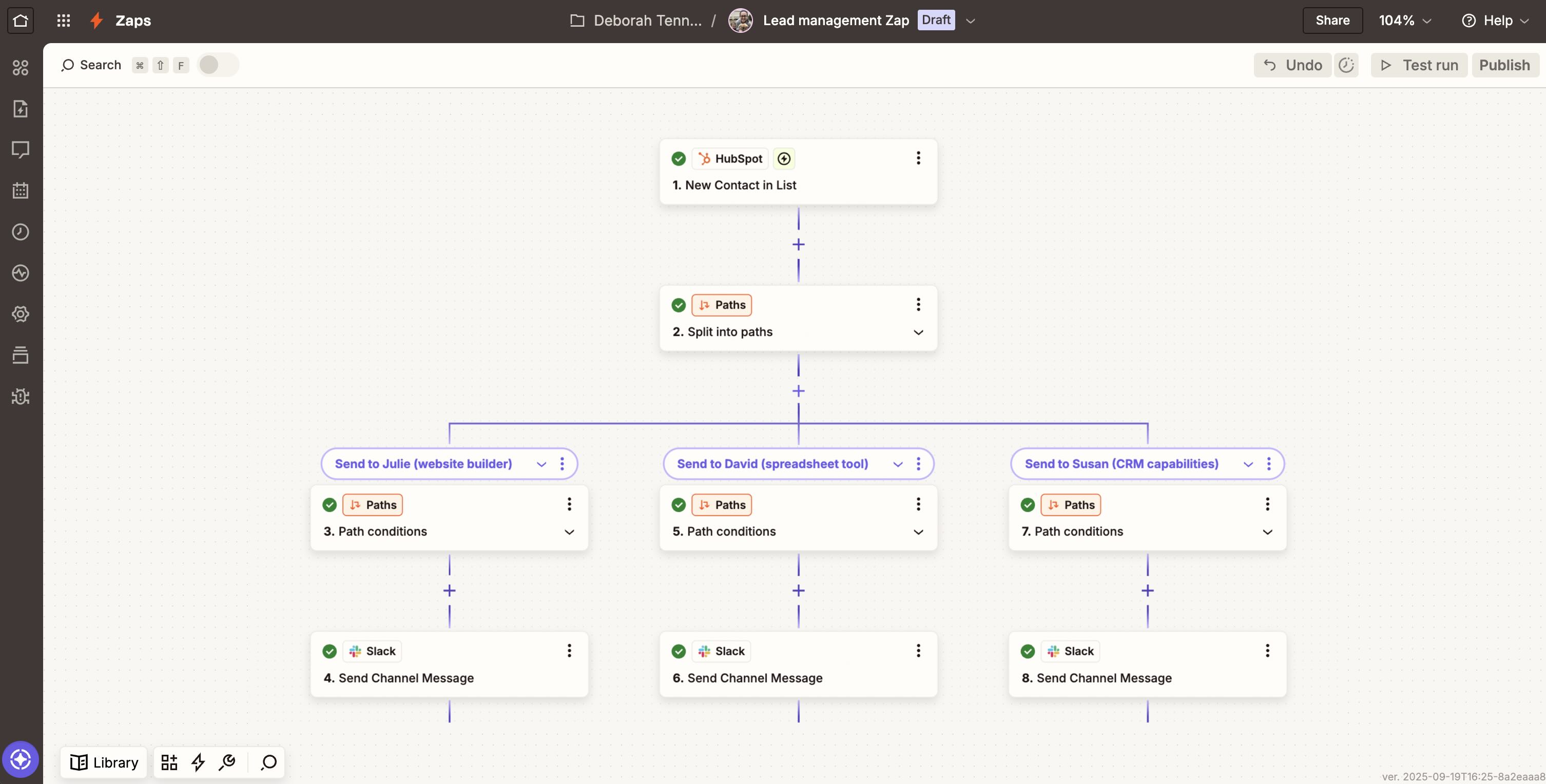
Credit: zapier.com
Choosing The Right Tool
Choosing the right marketing workflow automation tool shapes your entire marketing process. The right tool saves time and boosts team productivity. It fits your budget and meets your specific needs. This choice needs careful thought to avoid costly mistakes. Consider key factors before making your final decision.
Evaluating Pricing And Features
Start by comparing the cost of different tools. Check if the price matches the features offered. Some tools charge monthly, others yearly. Look for essential features like email automation, analytics, and CRM integration. Avoid paying for extras you won’t use. Balance price with the tool’s ability to meet your needs.
Considering Team Size And Needs
Think about how many people will use the tool. Small teams may need simpler options. Larger teams might require advanced collaboration features. Assess the skill level of your team members. Choose a tool that fits their technical comfort. The right fit improves adoption and team efficiency.
Testing For User Experience
Try out free trials or demos before buying. See how easy the tool is to navigate. Check if it integrates well with your existing systems. A smooth user experience reduces training time. Make sure the tool helps rather than complicates your workflow.
Best Practices For Workflow Automation
Effective marketing workflow automation requires careful planning and ongoing management. Following best practices helps avoid common errors and ensures smooth operations. Automation must align with your marketing goals and team capabilities to deliver real benefits.
Clear structure and regular review keep workflows efficient. This section covers key steps to make marketing automation work well for your team.
Mapping Your Marketing Processes
Start by outlining every step in your marketing activities. Write down tasks, decision points, and data flow. This map shows where automation can save time and reduce errors.
Focus on repetitive tasks like email follow-ups or data entry. A clear process map helps choose the right tools and set up effective workflows.
Setting Clear Automation Goals
Define what you want to achieve with automation. Goals might include faster lead response, improved customer targeting, or better reporting.
Specific goals guide your workflow design and tool selection. They also help measure success and adjust strategies as needed.
Monitoring And Optimizing Workflows
Regularly check how workflows perform. Use analytics to spot delays, errors, or missed opportunities.
Adjust rules, triggers, or task assignments based on data. Continuous improvement keeps automation aligned with changing marketing needs and boosts results.
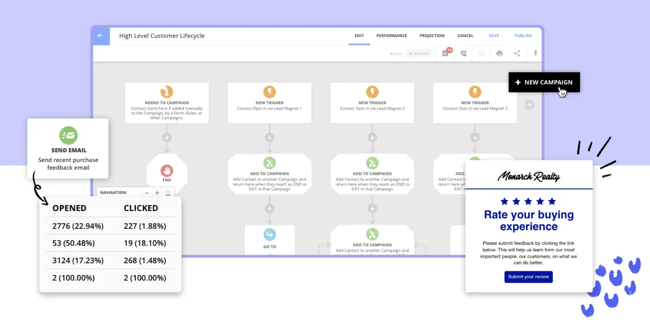
Credit: blog.hubspot.com
Frequently Asked Questions
What Is Marketing Workflow Automation?
Marketing workflow automation uses software to streamline repetitive marketing tasks. It improves efficiency by automating email campaigns, social media posts, lead management, and reporting.
Which Tools Are Best For Marketing Workflow Automation?
Top tools include HubSpot Marketing Hub, ActiveCampaign, and Marketo. These platforms offer features like email automation, CRM integration, and analytics to boost productivity.
How Does Marketing Automation Improve Sales?
Automation nurtures leads with personalized messages at the right time. It speeds up the sales process and increases conversion rates by targeting prospects effectively.
Can Marketing Workflow Automation Save Time For Teams?
Yes, it reduces manual tasks such as data entry and follow-ups. Teams can focus on strategy and creativity, enhancing overall marketing performance.
Conclusion
Choosing the right marketing workflow automation saves time and effort. It helps teams focus on creative tasks. These top three tools simplify repetitive work and boost efficiency. Using automation keeps campaigns consistent and timely. Start small, test features, and grow with your needs.
Automation is a smart step toward better marketing results.