
Choosing the right project management tool can make or break your productivity. If you’re juggling deadlines, tasks, and team collaboration, you’ve probably come across Trello and Asana.
But what if you could secure a lifetime deal for either? Would you go for Trello’s simplicity or Asana’s robust features? This article dives deep into the Trello vs Asana lifetime deal showdown, helping you decide which one fits your needs, budget, and work style perfectly.
Stick around—by the end, you’ll know exactly which tool could transform your workflow forever.
Price And Deal Structure
Trello’s lifetime dealusually offers a one-time payment for a Pro plan. This includes unlimited boards, cards, and basic integrations. Users get access to premium features without monthly fees. The deal often suits small teamsor individuals managing simple projects.
Asana’s lifetime dealis less common and usually comes as a limited offer. It provides access to advanced project tracking, timeline views, and automation tools. This deal fits larger teamsand complex workflows needing more features.
| Feature | Trello Lifetime Deal | Asana Lifetime Deal |
|---|---|---|
| Payment | One-time fee | One-time fee (rare) |
| Best for | Simple projects, small teams | Complex projects, large teams |
| Key Features | Unlimited boards, basic integrations | Timeline, automation, advanced tracking |
| Price Range | Lower cost | Higher cost |
Core Features
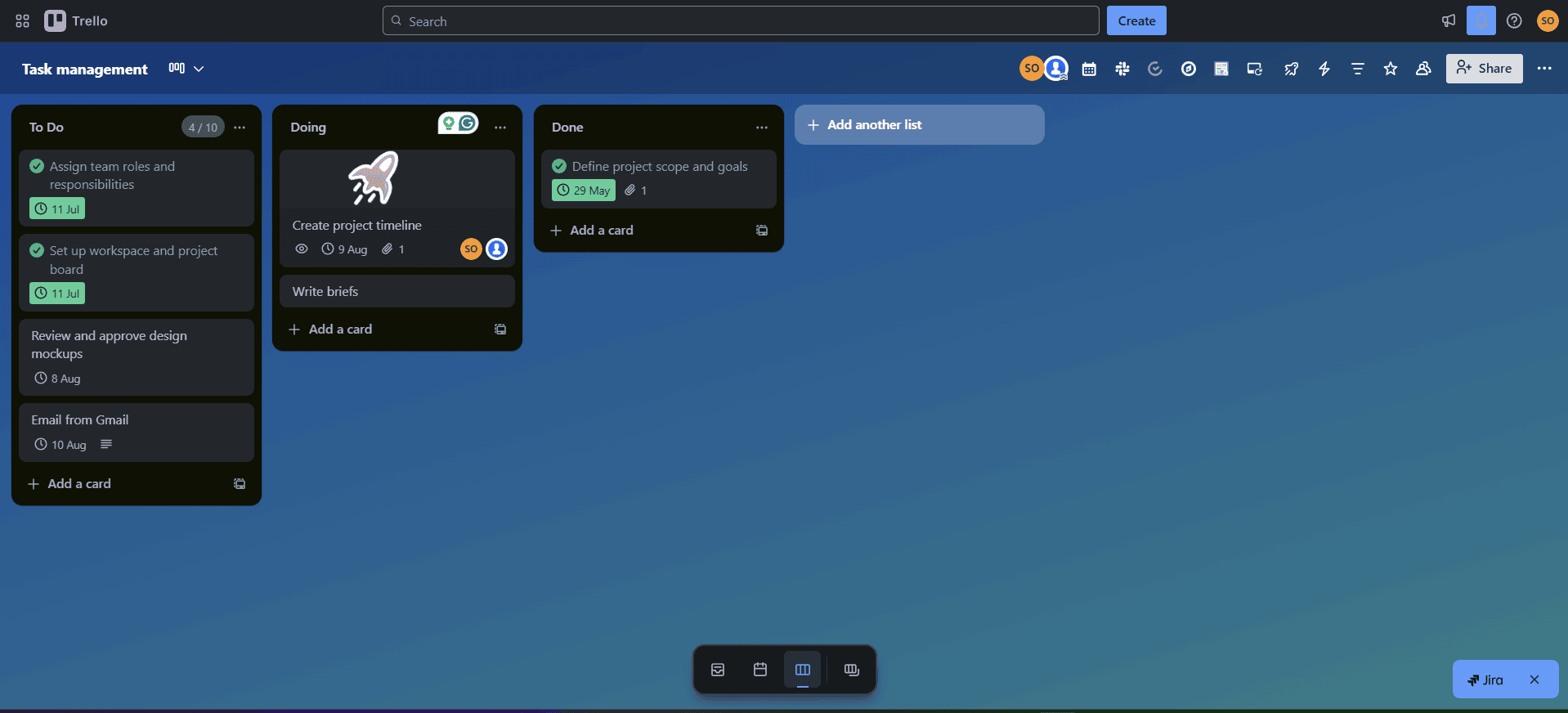
Trellouses boards, lists, and cards for simple task management. It’s easy to move tasks across lists and mark progress. Asanaoffers more detailed task options like subtasks, dependencies, and priorities. This makes it better for complex projects.
For project views and layouts, Trello mainly focuses on the Kanban boardstyle. It shows tasks in columns. Asana provides multiple views such as list, board, timeline, and calendar. This helps users see projects in different ways.
Collaboration toolsin Trello include comments, attachments, and notifications. It supports teamwork with simple chat and task assignments. Asana adds more features like team dashboards, project conversations, and workload tracking. These help manage bigger teams and projects.
Usability And Interface
Trellooffers a very simple and clear interface. It uses boards, lists, and cards that are easy to understand. This makes it great for beginnersor people with small projects.
Asanahas more customization options. Users can create tasks, subtasks, and different project views like lists, boards, and timelines. This is useful for larger teamsand complex projects.
| Trello | Asana | |
|---|---|---|
| Ease of Use | Very easy, simple drag and drop | More features, slight learning curve |
| Customization Options | Basic with Power-Ups | Advanced, many templates and views |
| Mobile and Desktop Experience | Clean apps, smooth syncing | Feature-rich apps, can be heavy |
Both apps work well on mobile and desktop. Trello’s apps are faster and simpler. Asana’s apps offer more tools but can feel busy.
Credit: www.cloudwards.net
Limitations And Drawbacks
Trello struggles with managing complex projects.Its simple board and card system works well for small tasks but lacks depth for bigger workflows. Complex task dependencies are hard to track, which can cause confusion.
Asana has a steeper learning curve.New users may find its many features and options overwhelming at first. It takes time to fully understand how to use all tools effectively.
Both platforms have feature gaps and restrictions.Trello limits advanced reporting and calendar integration unless you pay extra. Asana sometimes feels too heavy for simple projects and can slow down small teams.
Integrations And Automation
Trelloconnects with many apps like Slack, Google Drive, and Dropbox. Asanasupports even more integrations, including Salesforce and Microsoft Teams. Both tools help teams work faster by linking with tools they already use.
Built-in automation lets you save time. Trello uses Butlerto automate tasks like moving cards or sending reminders. Asana offers Rulesthat trigger actions when tasks change, such as assigning or updating due dates.
These features reduce manual work and keep projects moving smoothly. Asana’s automationis more advanced for complex workflows. Trello’s is simple and easy for small teams.
| Feature | Trello | Asana |
|---|---|---|
| Third-Party Integrations | Popular apps like Slack, Google Drive | More apps including Salesforce, MS Teams |
| Built-in Automation | Butler for simple task automation | Rules for advanced workflow automation |
| Workflow Impact | Great for small projects and teams | Better for complex, multi-team projects |
Credit: wedevs.com
Performance And Reliability
Trelloloads quickly and feels very responsive. It works well even on slow internet. Asanaalso responds fast but can slow with many tasks open. Both apps support offline access, but Trello’s offline mode is simpler and easier to use. Asana’s offline features are improving but still limited.
Data storage limits vary. Trello allows up to 250 MB per attachmenton its free plan, which suits small files. Asana offers 100 MB per filebut has higher overall storage on paid plans. Both keep your data safe and backed up.
| Feature | Trello | Asana |
|---|---|---|
| Loading Speed | Fast and smooth | Fast but slows with many tasks |
| Offline Access | Simple and reliable | Limited, improving |
| Attachment Limits | 250 MB per file | 100 MB per file |
| Data Storage | Moderate on free plan | Higher on paid plans |
User Permissions And Security
Role managementin Trello and Asana lets admins set clear permissions.
Asana offers custom rolesfor different team members. Trello uses Board Adminand Memberroles.
| Feature | Trello | Asana |
|---|---|---|
| Role Types | Admin, Member | Custom roles, Admin, Member |
| Permission Control | Basic (edit, view) | Advanced (project, task level) |
Data privacyis a priority for both platforms.
They comply with GDPRand use encryptionto protect user data.
Security featuresinclude two-factor authentication and activity logs. Asana provides enterprise-gradesecurity options, while Trello offers secure backupsand regular updates.
Customer Feedback
Community Opinionson Trello and Asana lifetime deals vary widely. Many users appreciate Trello for its simple layoutand ease of use. Asana is praised for its robust featuresand flexible task management. Some users feel Trello suits small teams better, while Asana fits larger groups.
Common Complaintsinclude Trello’s limited viewsand lack of advanced reporting. Users mention the need to pay for extra features via Power-Ups. Asana’s complexity can overwhelm new users, with a steeper learning curve. Pricing changes in both platforms sometimes cause dissatisfaction.
User Satisfaction Highlightsshow that both platforms have loyal fans. Trello is loved for its Kanban styleand visual boards. Asana users enjoy custom workflowsand team collaboration tools. Many recommend trying both before deciding.
Best Use Cases
Trelloworks best for simple projectsthat need clear visual boards. Tasks are shown as cards on lists. It suits small teamsor individuals who want to track progress easily. Trello is perfect for personal to-do lists, event planning, or basic workflows.
Asanafits well with complex projectsneeding multiple views like timelines and calendars. It helps teams manage tasks with detailed steps and dependencies. Asana suits medium to large teamsworking on cross-functional projects. It supports collaborationacross departments and detailed tracking.
| Team Size | Project Complexity | Best Tool |
|---|---|---|
| 1-10 | Simple | Trello |
| 10-50 | Moderate | Asana |
| 50+ | Complex | Asana |
Final Value For Smart Buyers
Long-term benefitsdepend on how well each tool fits your needs. Trello offers a simple, visual way to track tasks with boards and cards. It works best for small teamsor projects with clear steps. Asana has more features for managing complex work, like timelines and task dependencies. This suits larger teamsor projects needing detailed tracking.
Cost efficiencyis key. Trello often costs less upfront, especially for basic plans. Asana’s price is higher but includes more advanced tools. Choosing depends on whether you want to pay less now or invest for more features later.
| Feature | Trello | Asana |
|---|---|---|
| Price | Lower for basic use | Higher, more features |
| Best for | Simple projects, small teams | Complex projects, larger teams |
| Project views | Kanban boards only | Kanban, timeline, calendar |
| Task complexity | Basic task tracking | Advanced task dependencies |

Credit: www.cloudwards.net
Frequently Asked Questions
Is Trello Better Than Asana?
Trello suits simple projects with a user-friendly, affordable Kanban style. Asana offers advanced features for complex, larger team projects. Choose based on project complexity and needed functionalities.
How Much Is Asana Vs Trello?
Asana’s pricing starts at $10. 99/user/month, offering advanced features for complex projects. Trello begins free with basic tools, paid plans start at $5/user/month, suited for simpler tasks. Choose based on project complexity and budget.
What Are The Disadvantages Of Trello?
Trello struggles with complex projects due to its simple Kanban design. It lacks advanced reporting, native chat, and diverse project views. Free plans limit attachment sizes and storage. Internet outages disrupt access. Many useful features require paid plans, and multiple Power-Ups can cause integration issues.
What Is Cheaper Than Asana?
Trello is generally cheaper than Asana, offering a simpler, more affordable option for basic project management needs.
Conclusion
Choosing between Trello and Asana lifetime deals depends on your project needs. Trello suits simple, budget-friendly projects with easy task management. Asana fits complex projects needing advanced features and team coordination. Consider your workflow style and team size before deciding.
Both tools offer valuable options for organizing tasks effectively. Pick the one that matches your work habits and project goals best.