
Are you tired of hitting walls when trying to access your favorite websites or apps? Censorship can block what you want to see online, leaving you frustrated and restricted.
But what if there was a simple way to take back control and browse freely? A VPN for bypassing censorship can unlock the internet for you, hiding your activity and opening doors that were once closed. Keep reading to discover how this tool works and how it can give you the freedom you deserve online.
Credit: medium.com
How Censorship Affects Internet Access
Internet censorship limits what users can see and share online. It blocks access to websites, social media, and apps. This control restricts the free flow of information and ideas. People in censored regions often face challenges accessing global content. Understanding how censorship works helps explain its impact on internet access.
Common Types Of Online Censorship
Governments use various methods to censor the internet. Some block specific websites or apps. Others filter search results to hide certain topics. Social media posts may be removed or hidden. Sometimes, internet speed is slowed to discourage use. These tactics limit access to information and communication.
Countries With Strict Censorship Laws
Some countries have harsh rules controlling the internet. China blocks many foreign websites and apps. Iran restricts social media and messaging platforms. North Korea limits internet access to a small group. These laws prevent citizens from seeing global news and opinions. They create isolated online environments controlled by the state.
Impact On Free Speech And Information
Censorship limits people’s ability to speak freely online. It stops sharing of ideas and opinions. News about important events may be hidden or changed. This creates misinformation and confusion. People cannot access diverse viewpoints or learn about certain topics. Free speech and open access to information suffer greatly.
Why Use A Vpn To Bypass Censorship
Using a VPN to bypass censorship is a smart choice. It helps people access the internet freely. Many countries block certain websites or content. A VPN lets users avoid these blocks easily. This tool makes the internet open and safe for everyone.
Encryption And Privacy Benefits
A VPN encrypts your internet traffic. This means no one can see what you do online. It hides your data from hackers and spies. Your online activities stay private and secure. Encryption protects sensitive information from being stolen.
Accessing Blocked Websites
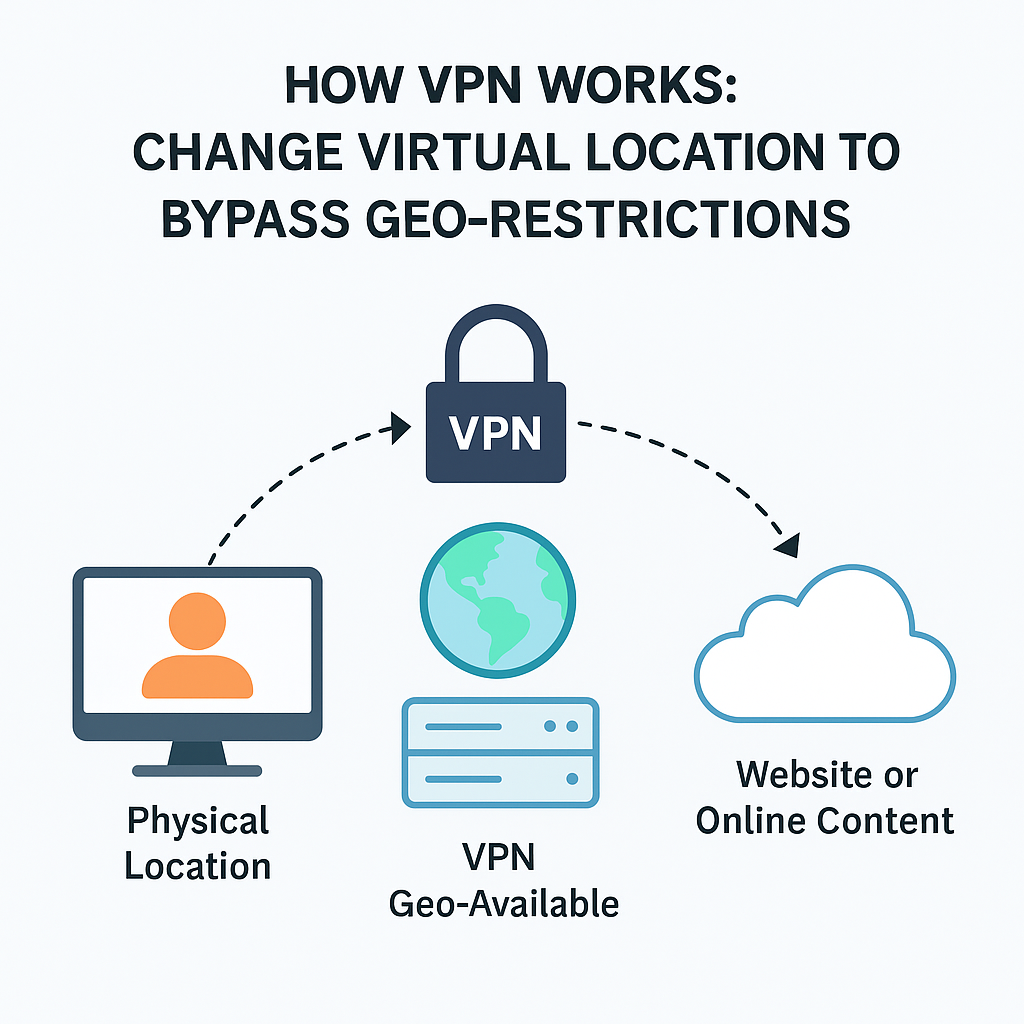
Censorship often stops access to popular websites. A VPN changes your IP address to another country. This tricks the system into thinking you are somewhere else. You can visit blocked sites as if you were free. It opens doors to information and entertainment.
Avoiding Government Surveillance
Some governments monitor their citizens online. They watch for what people say and do. A VPN hides your real location and activity. It stops governments from tracking your internet use. This helps protect your freedom and rights.
Choosing The Right Vpn For Censorship
Bypassing censorship requires more than just any VPN. The right VPN protects your privacy while giving access to blocked content. Not all VPNs perform well in restricted areas. Choosing a VPN with strong features is essential for a smooth experience.
Some VPNs struggle with strict firewalls or slow connections. Others keep logs, risking your privacy. The right choice balances speed, security, and reliability. Knowing what to check helps avoid common pitfalls.
Key Features To Look For
Strong encryption keeps your data safe from prying eyes. A no-logs policy ensures your activities stay private. Look for VPNs with servers in many countries. This variety helps bypass regional blocks.
Fast connection speeds reduce buffering and delays. A kill switch stops data leaks if the VPN drops. Compatibility with your devices is also important. Easy-to-use apps make the experience better for beginners.
Vpns Known For Bypassing Restrictions
Some VPNs have built a reputation for bypassing tough censorship. These VPNs update their servers regularly to avoid blocks. They use advanced technology to hide VPN traffic. Many offer obfuscated servers designed to bypass deep packet inspection.
Choosing such VPNs increases your chances of reliable access. They often support streaming and social media sites blocked in certain countries. Customer support is usually available to help with connection issues.
Free Vs Paid Vpn Services
Free VPNs may seem attractive but often have limits. They might offer fewer servers and slower speeds. Some free VPNs display ads or collect user data. These factors reduce privacy and browsing freedom.
Paid VPNs usually provide better security and speed. They maintain strict no-logs policies and more server locations. Paid services often include better customer support. Investing in a paid VPN improves your chances to bypass censorship safely.

Credit: www.youtube.com
Setting Up A Vpn For Secure Access
Setting up a VPN for secure access helps protect your online privacy. It also allows you to bypass censorship easily. A VPN creates a safe tunnel between your device and the internet. This tunnel hides your location and data from prying eyes.
Setting up a VPN is simple. Follow clear steps to install it on your device. Then, configure settings for the best security. Finally, you can fix common connection issues if they appear.
Installation Steps On Different Devices
Start by choosing a trusted VPN service. Download the VPN app from the official website or app store. On Windows or Mac, run the installer file and follow the instructions. For Android or iOS, open the app and sign in. Grant necessary permissions for the app to work properly. Once installed, connect to a VPN server to secure your connection.
Configuring Vpn Settings For Maximum Security
Open the VPN app and go to settings. Enable the kill switch option. It stops internet traffic if the VPN disconnects. Choose the strongest encryption method available. Use protocols like OpenVPN or WireGuard for better safety. Turn on DNS leak protection to hide your DNS requests. Select a server in a country with less censorship. Save your settings and reconnect the VPN.
Troubleshooting Common Connection Issues
Check your internet connection first. Restart your device if the VPN won’t connect. Switch to a different VPN server if the current one is slow. Update the VPN app to the latest version. Disable other VPNs or proxies that may conflict. Clear the app cache or reinstall the VPN app if problems persist. Contact customer support if you still face issues.
Advanced Techniques To Evade Censorship
Advanced techniques help users bypass strong internet censorship. These methods hide VPN use and add extra security layers. They make online freedom easier, even in strict countries.
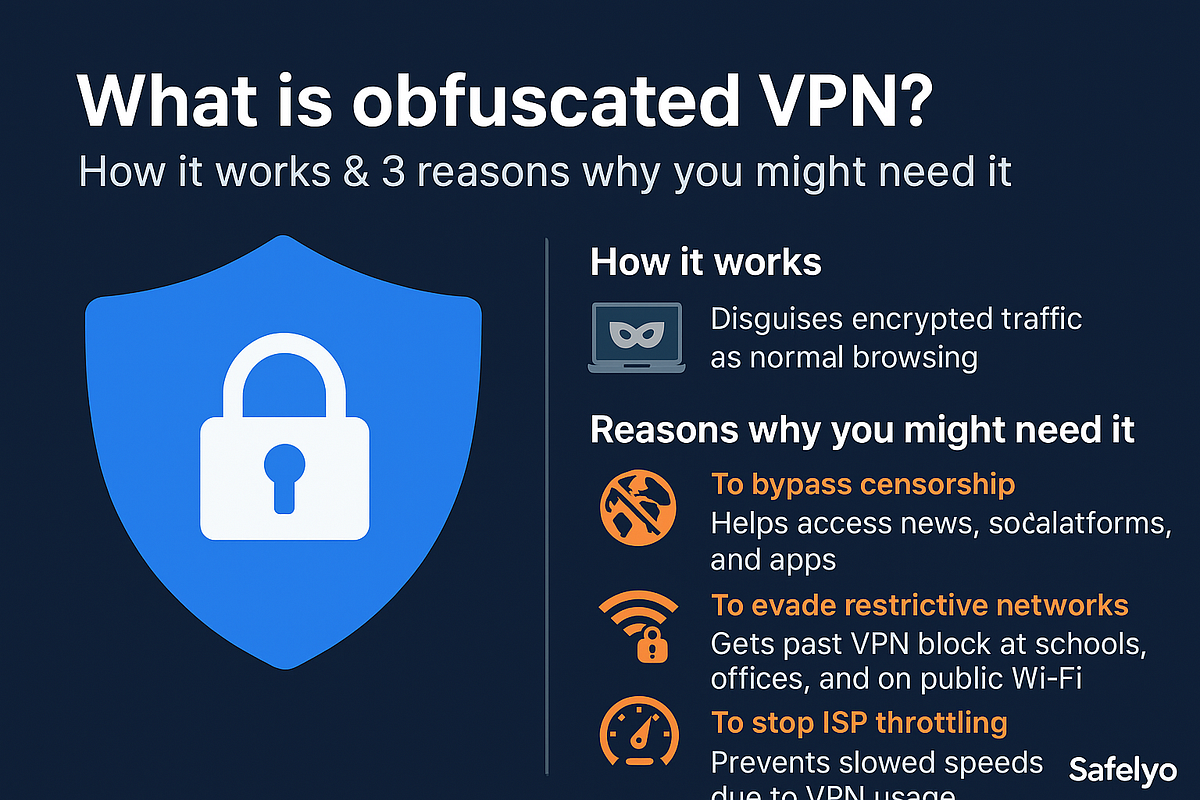
Using Obfuscated Servers
Obfuscated servers hide VPN traffic as normal internet data. This stops censorship tools from detecting VPN use. It works well in places blocking VPN connections. Obfuscated servers keep your VPN use secret and safe.
Double Vpn And Multi-hop Connections
Double VPN routes your internet through two servers. Multi-hop connections use several servers in different locations. These methods increase privacy and security. They make it harder for censors to track your activity. Your real IP stays hidden behind multiple layers.
Combining Vpn With Tor Network
Using VPN with Tor adds strong privacy protection. VPN hides your IP before entering the Tor network. Tor then routes your traffic through many nodes worldwide. This combination masks your identity and location well. It helps access censored websites safely and privately.
Credit: vpncentral.com
Legal And Ethical Considerations
Using a VPN to bypass censorship raises important legal and ethical questions. People must understand the risks and responsibilities involved. Laws vary greatly by country, and breaking them can lead to serious trouble. Ethical use means respecting the rules while protecting your privacy.
Risks Of Using Vpn In Restricted Regions
Many countries ban or limit VPN use. Getting caught can lead to fines or jail time. Some governments monitor internet traffic closely. VPN use might attract unwanted attention from authorities. Users face risks beyond just technical issues.
Staying Informed On Local Laws
Rules about VPNs change often and differ widely. Research local laws before using a VPN. Official websites and trusted news sources help. Knowing the law reduces the chance of problems. Ignorance is not a good defense in court.
Balancing Privacy And Responsibility
Privacy is important but not absolute. Respecting laws keeps you safe and ethical. Avoid using VPNs for illegal activities. Use VPNs to protect your data and access free information responsibly. Balance privacy needs with local rules carefully.
Future Trends In Censorship And Vpn Technology
The future of censorship and VPN technology is constantly evolving. Censorship methods are becoming more advanced and widespread. VPN developers respond by creating new tools and features. This ongoing battle shapes how people access information online. Understanding these trends helps users stay safe and free on the internet.
Emerging Vpn Features
VPNs are adding stronger encryption to protect data better. They include obfuscation techniques to hide VPN traffic from filters. Some VPNs now use multi-hop connections for extra privacy. New features focus on speed and stability despite restrictions. These updates help users bypass strict censorship more easily.
Government Countermeasures
Governments improve detection of VPN traffic using deep packet inspection. They block known VPN servers and use AI to find new ones. Some countries force VPN companies to log user data. Others create their own VPNs to control access. These actions make it harder for people to stay anonymous.
The Role Of Decentralized Networks
Decentralized networks spread data across many devices worldwide. They make censorship harder by removing central points to block. Some VPNs use blockchain technology to increase security and privacy. These networks give users more control over their online freedom. They represent a new way to fight censorship in the future.
Frequently Asked Questions
What Is A Vpn For Bypassing Censorship?
A VPN (Virtual Private Network) hides your IP and encrypts data. It helps bypass internet restrictions and access blocked content securely.
How Does A Vpn Unblock Censored Websites?
A VPN routes your traffic through servers in different countries. This masks your location and allows access to sites blocked in your region.
Are Vpns Legal For Bypassing Censorship?
VPN legality varies by country. Most places allow VPN use for privacy, but some restrict or ban them for bypassing censorship.
Can Vpns Protect My Privacy While Bypassing Censorship?
Yes, VPNs encrypt your internet connection. This prevents ISPs and governments from tracking your online activities and ensures anonymity.
Conclusion
VPNs help users access the internet freely and safely. They hide your location and protect your data. Many people use VPNs to avoid censorship and restrictions. Choosing a reliable VPN is important for good performance. Remember, not all VPNs work the same way.
Stay informed about laws in your country before using one. A VPN can open doors to more information and ideas. Stay safe and enjoy a freer internet experience.