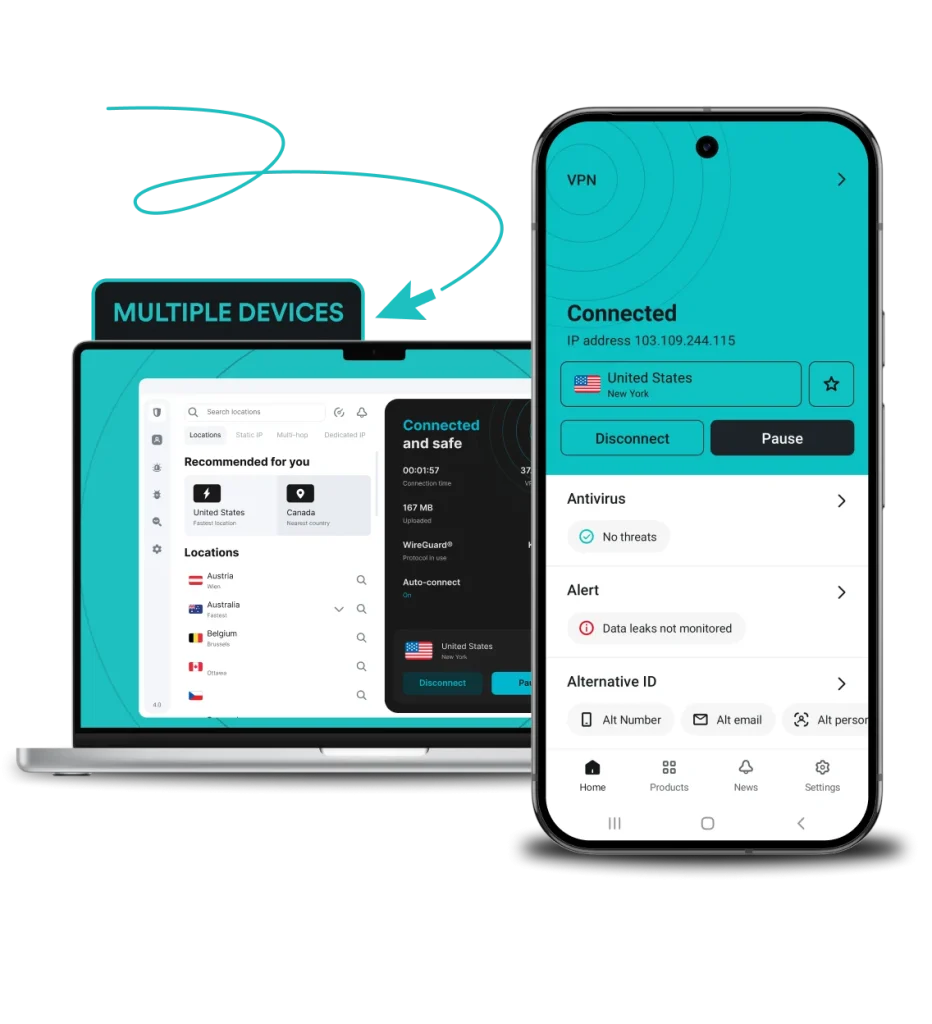
Are you tired of juggling different VPNs for each of your devices? Imagine having one powerful VPN that protects all your gadgets at once—your phone, laptop, tablet, and more.
Sounds convenient, right? But how do you find the right VPN that works seamlessly across multiple devices without slowing you down or breaking the bank? Keep reading, because we’re about to uncover exactly what you need to know to secure every device you own with one simple solution.
Your online safety and peace of mind are closer than you think.

Credit: www.youtube.com
Benefits Of Using Vpns On Multiple Devices
Using a VPN on multiple devices brings many benefits. It keeps your data safe whether you use a phone, tablet, or computer. You stay protected everywhere without extra effort. This helps you enjoy secure internet access on all your gadgets.
With one VPN service, you can connect several devices at once. This saves money and keeps your online activities private across all platforms. The convenience of multi-device VPN use suits busy lives and various online needs.
Enhanced Security Across Devices
A VPN encrypts your internet connection on every device. This stops hackers from stealing your information. Public Wi-Fi networks become safer with VPN protection. Your passwords, messages, and files stay private no matter the device used.
Using a VPN on all devices means consistent security. No weak points in your digital defense. This reduces the risk of cyberattacks and data breaches.
Consistent Privacy Protection
VPNs hide your real IP address on each device. This keeps your browsing habits private. Advertisers and trackers cannot follow you online. Your location and identity remain anonymous everywhere.
Privacy stays strong across phones, laptops, and tablets. No gaps in protection means better control of your personal data.
Bypassing Geo-restrictions Everywhere
Some websites and apps block content by location. VPNs help you access these sites from any device. You can watch videos, use apps, or visit websites as if you were in another country.
This freedom applies to all your devices. Travel or stay home and enjoy your favorite content without limits.
Choosing The Right Vpn For Multiple Devices
Choosing the right VPN for multiple devices can make your online experience safer and smoother. Many people use more than one device daily. A good VPN should protect all of them without problems. It should also be easy to use and not slow down your internet. The right VPN helps keep your data private on phones, tablets, and computers.
Device Compatibility
Check if the VPN works on all your devices. Some VPNs support only a few systems. You need one that covers Windows, Mac, Android, and iOS. The VPN should also work on smart TVs and routers if you use them. This way, every device stays protected without extra hassle.
Connection Limits
Look at how many devices can connect at once. Some VPNs allow only two or three devices. Others let you connect five, ten, or even more. Choose a VPN that fits your device count. This avoids needing multiple accounts or switching connections often.
Speed And Performance
Good speed is key for streaming and browsing. A VPN should not slow your internet much. Choose one with fast servers in many locations. This keeps your connection smooth on all devices. Speed matters more if you use video calls or online games.
User-friendly Apps
Apps should be simple to install and use. Clear menus and easy settings save time. A user-friendly VPN app helps avoid mistakes. It makes protecting your devices hassle-free. Look for apps with clear instructions and good reviews.
Setting Up Vpn On Various Devices
Setting up a VPN on various devices helps protect your online privacy everywhere. It keeps your data safe on computers, phones, and even smart TVs. Each device type has its own steps for VPN setup. Following simple instructions lets you enjoy secure browsing easily.
Installing On Windows And Mac
Download the VPN app from the official website. Open the installer and follow the on-screen steps. After installation, open the app and log in with your account. Choose a server and click connect. Your Windows or Mac device is now protected.
Configuring Mobile Devices
Go to your phone’s app store and find the VPN app. Install the app and open it. Sign in with your username and password. Select a server location and tap connect. Your mobile device is ready for secure internet use.
Using Vpn On Smart Tvs And Consoles
Most smart TVs and consoles do not support VPN apps directly. Use a VPN-enabled router or share a VPN connection from your computer. This way, your TV or console traffic is protected. Check your VPN provider for detailed setup guides.
Router-level Vpn Setup
Access your router’s settings through a web browser. Enter the VPN details provided by your service. Save and apply the settings. This setup secures all devices connected to your Wi-Fi. It is a good option for many devices at once.

Credit: www.expressvpn.com
Managing Multiple Device Connections
Managing multiple device connections with a VPN can be simple. It helps keep all your gadgets safe online. Many people use several devices like phones, laptops, and tablets. Using a VPN for all of them needs good control. This ensures every device stays protected without problems.
Monitoring Active Connections
Check which devices are connected to your VPN. Most VPN apps show a list of active devices. This helps avoid too many devices using the VPN at once. You can see if any unknown device is connected. This keeps your account secure from misuse.
Switching Between Devices
Switching your VPN from one device to another should be easy. Some VPNs allow quick logouts and logins on different devices. This saves time and keeps your connection smooth. Make sure your VPN supports multiple devices at once. It prevents frequent disconnections when switching.
Handling Simultaneous Usage
Using a VPN on several devices at the same time is common. Check your VPN plan for the number of allowed devices. Some VPNs limit connections to five or ten devices. Managing this helps avoid connection errors. It ensures all your devices stay protected simultaneously.
Common Challenges And Solutions
Using a VPN on multiple devices can bring many benefits. Still, some problems might appear. Understanding these issues helps keep your VPN working well. Simple solutions exist for common troubles. This section covers the most frequent VPN challenges and how to fix them.
Connection Drops
Connection drops happen when your VPN stops working suddenly. This can break your online privacy. Causes include weak internet or VPN server issues. Restarting your router often helps. Switching to a different VPN server can fix the problem too. Some VPN apps have a kill switch. This stops internet use if the VPN drops, protecting your data.
Slow Speeds
VPNs can slow down your internet. Encryption and distance to servers cause this. Choose a server close to your location. Use a fast VPN protocol like WireGuard. Closing apps that use a lot of data also helps. Avoid free VPNs, as they often have slow speeds and limits.
Device-specific Issues
Some devices may face unique VPN problems. Phones might disconnect more often than computers. Some smart TVs do not support VPN apps. Use manual VPN setup or a VPN-enabled router for these devices. Keep your apps and device software updated. This prevents compatibility problems.
Advanced Tips For Network Security
Protecting your network with a VPN for multiple devices needs more than just turning it on. Advanced tips help keep your data safe and your connection stable. These steps improve your security and make your VPN work better.
Using Kill Switch Features
A kill switch stops internet access if your VPN drops. This prevents your real IP address from showing. It keeps your online activity private and secure. Most VPN apps have this feature. Turn it on to avoid risks during connection loss.
Enabling Split Tunneling
Split tunneling lets you choose which apps use the VPN. This saves speed by letting some data go directly to the internet. Use it to protect sensitive apps while keeping others fast. It helps balance security and performance on multiple devices.
Regularly Updating Vpn Software
VPN providers fix bugs and improve security with updates. Running the latest version closes holes hackers might use. Update your VPN app on all devices often. This simple step helps keep your network safe and strong.

Credit: cooltechzone.com
Frequently Asked Questions
What Is A Vpn For Multiple Devices?
A VPN for multiple devices allows you to secure various gadgets under one subscription. It protects your data on smartphones, laptops, tablets, and more simultaneously. This saves money and ensures consistent privacy across all your devices.
How Many Devices Can One Vpn Support?
Most VPNs support between 5 to 10 devices per subscription. Some premium services offer unlimited device connections. Always check your provider’s policy to ensure it meets your needs.
Why Use One Vpn For Multiple Devices?
Using one VPN for multiple devices simplifies management and saves costs. It ensures consistent security and privacy across all your devices. Plus, it prevents data leaks when switching between gadgets.
Can Multiple Users Share One Vpn Account?
Yes, many VPNs allow multiple users on one account. However, simultaneous connections may be limited by the provider. Sharing is safe if you trust the users and follow security guidelines.
Conclusion
Choosing a VPN that supports multiple devices keeps your data safe everywhere. It saves money and adds convenience for families or individuals. You can protect phones, laptops, and tablets all at once. Fast speeds and strong security matter most. Make sure the VPN works well with your devices.
Enjoy private browsing without limits or worries. Stay secure no matter where you go or what you use. Protecting all your devices is smart and simple.