Are you really safe online? Every click you make, every site you visit, could expose your personal information without you even knowing.
What if there was a way to not only protect your data but also alert you instantly if it ever gets leaked? That’s where a VPN with data breach monitoring comes in. This powerful combo doesn’t just hide your online activity—it keeps a watchful eye on your information, so you stay one step ahead of hackers.
Keep reading to discover how this smart tool can guard your privacy like never before.

Credit: financialit.net
Why Data Breach Monitoring Matters
Data breaches happen more often than people realize. They put personal and financial information at risk. Monitoring for data breaches helps you find out fast if your data is exposed. This early warning can stop further damage.
It is not just about knowing. It is about acting quickly to protect your identity and money. A VPN with data breach monitoring adds a strong layer of protection. It watches for threats and alerts you before problems grow.
Risks Of Data Breaches Today
Cybercriminals use many ways to steal data. They attack websites, apps, and even emails. Weak passwords and outdated software make it easier for them. Once they get access, they can take your personal details.
These breaches can expose your name, address, passwords, and credit card information. The stolen data can be sold on the dark web. It can also be used to commit fraud or identity theft.
Consequences Of Compromised Data
Data breaches lead to serious problems. You may face financial loss from stolen money or fake purchases. Your credit score can drop if identity theft occurs. Fixing these issues takes time and effort.
Trust also suffers. You may lose confidence in online services or websites. Sometimes, businesses face legal trouble and fines due to poor data protection. Data breach monitoring helps reduce these risks by giving early alerts.
5 Critical Security Benefits
1. Instant Dark Web Alerts
Standard VPNs only protect your data while you are actively browsing. By adding data breach monitoring, the system constantly scans dark web marketplaces and leaked databases. If your email, passwords, or financial credentials ever show up in a corporate hack, you receive an instant notification to secure your accounts before damage occurs.
2. Prevention of Identity Theft and Fraud
When data breaches happen, cybercriminals quickly bundle stolen names, addresses, and credit card numbers to commit fraud. Real-time monitoring acts as an early warning shield, giving you the critical head start needed to freeze your credit cards or alert your bank before identity thieves can exploit your compromised details.
3. Elimination of Credential Stuffing Vulnerabilities
Most people accidentally reuse passwords across multiple apps and business platforms. If one minor website you use gets hacked, attackers will try that same password combination across your banking and email accounts (a tactic known as credential stuffing). Breach monitoring tells you exactly which password leaked so you can change it everywhere immediately.
4. Proactive Security Beyond Encryption
While a VPN’s core encryption scrambles your active internet traffic to keep hackers from snooping on public Wi-Fi, it cannot protect you if a company you already have an account with suffers a server-side breach. This integration bridges the gap, combining active connection privacy with proactive data defense.
5. Automated Peace of Mind
Instead of manually searching leak databases or waiting months for a company to publicly admit they were hacked, the integration automates your cybersecurity. It runs continuously in the background, allowing remote workers and everyday users to browse confidently knowing their digital footprint is being watched 24/7.
How Vpn Enhances Data Protection
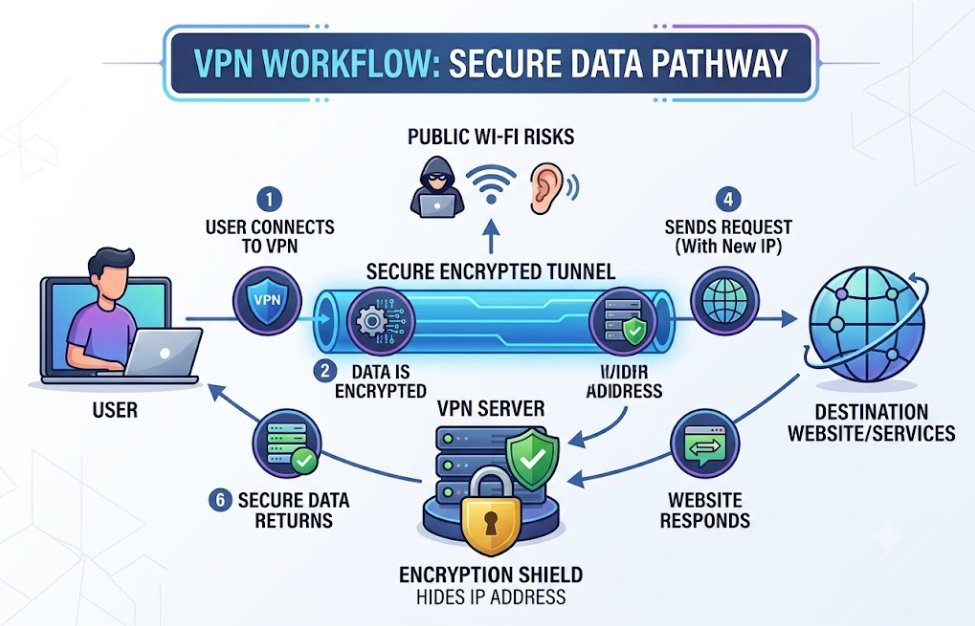
VPNs play a key role in protecting your data online. They secure your internet connection and keep your information safe from hackers and trackers. Using a VPN adds an extra layer of security to your digital life. This is especially important if you want to avoid data breaches and keep your personal details private.
Encrypting Your Online Activity
A VPN scrambles your internet data through encryption. This means your online actions are hidden from outsiders. Hackers and spies cannot see what you do on the web. Encryption stops others from stealing your passwords, messages, or credit card details. It makes your browsing private and secure.
Hiding Your Ip Address
Your IP address reveals your location and identity online. A VPN hides your real IP and replaces it with a different one. This makes it hard for websites and hackers to track you. Hiding your IP protects your privacy and helps avoid targeted attacks. It keeps your internet use anonymous and safe.
Integrating Vpn With Breach Monitoring
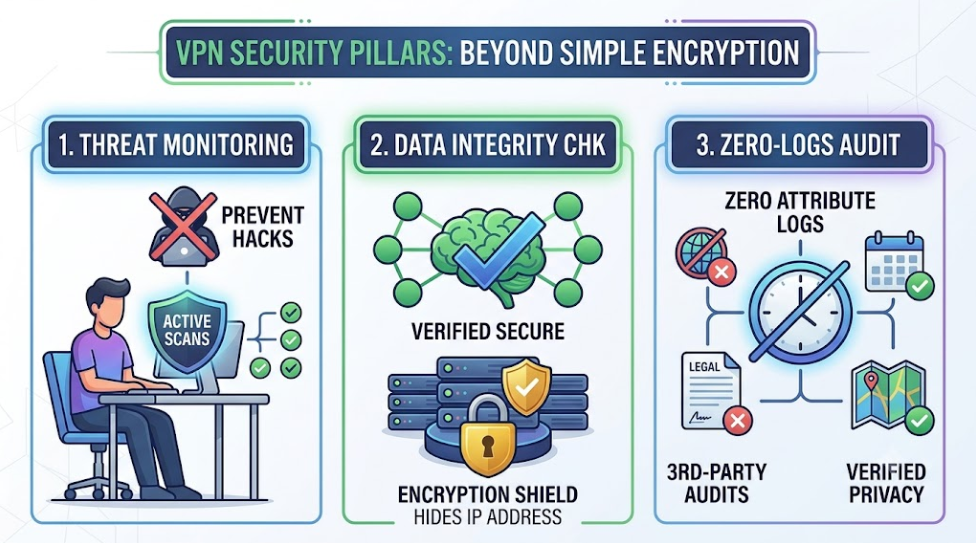
Integrating a VPN with data breach monitoring adds a strong layer of protection. It helps keep your online activities private and alerts you if your information leaks. This combination offers better security and peace of mind. Users can enjoy safe browsing while staying informed about data risks.
Real-time Alerts For Exposed Data
This integration sends instant alerts if your data is found in a breach. You don’t have to check websites or wait for news. Quick warnings allow fast action to protect accounts and change passwords. It reduces the chance of identity theft and fraud.
Combining Privacy With Proactive Security
A VPN hides your IP and encrypts your connection for privacy. Adding breach monitoring means you can also detect data leaks early. This proactive step prevents problems before they grow. Together, they offer both privacy and active defense against threats.

Credit: www.amazon.com
Choosing The Right Vpn With Breach Monitoring
Choosing the right VPN with breach monitoring is important for your online safety. A VPN protects your internet connection. Breach monitoring alerts you if your data leaks online. Combining these two features helps keep you secure and informed.
Not all VPNs offer breach monitoring. Some only focus on hiding your IP address. Others include tools to check if your email or passwords appear in data breaches. Pick a VPN that fits your security needs and budget.
Key Features To Look For
Strong encryption to keep your data private. A strict no-logs policy to protect your activity. Real-time breach alerts to warn you fast. Easy-to-use apps for all your devices. Fast servers to avoid slow internet. Customer support that helps quickly. Multiple server locations for more options.
Comparing Popular Services
Some VPNs include breach monitoring as part of their package. Others offer it as a separate service. Look for reviews on breach detection accuracy. Check if alerts are clear and timely. Consider the price and free trial options. User experience varies, so test apps yourself. Focus on trusted brands with good reputations.
Steps To Set Up Vpn And Breach Alerts
Setting up a VPN with data breach monitoring is simple and important. It protects your online privacy and alerts you about security issues. Follow these clear steps to keep your data safe and secure. Start with installing the VPN, then activate breach alerts. Each step helps you stay protected.
Installing And Configuring Vpn
Choose a reliable VPN provider and download its app. Install the app on your device by following on-screen instructions. Open the VPN app and sign in with your account details.
Pick a server location for better speed and security. Adjust settings like auto-connect and kill switch for extra protection. Save changes and connect to the VPN. Your internet traffic is now encrypted and private.
Activating Data Breach Notifications
Go to the VPN app’s security or privacy section. Find the option for data breach alerts or monitoring. Enable breach notifications to receive instant warnings about leaks.
Enter your email or username to monitor for breaches. The system scans databases for any exposed information. You get alerts if your data appears in a breach. Act quickly to change passwords and secure your accounts.
Best Practices For Maximum Security
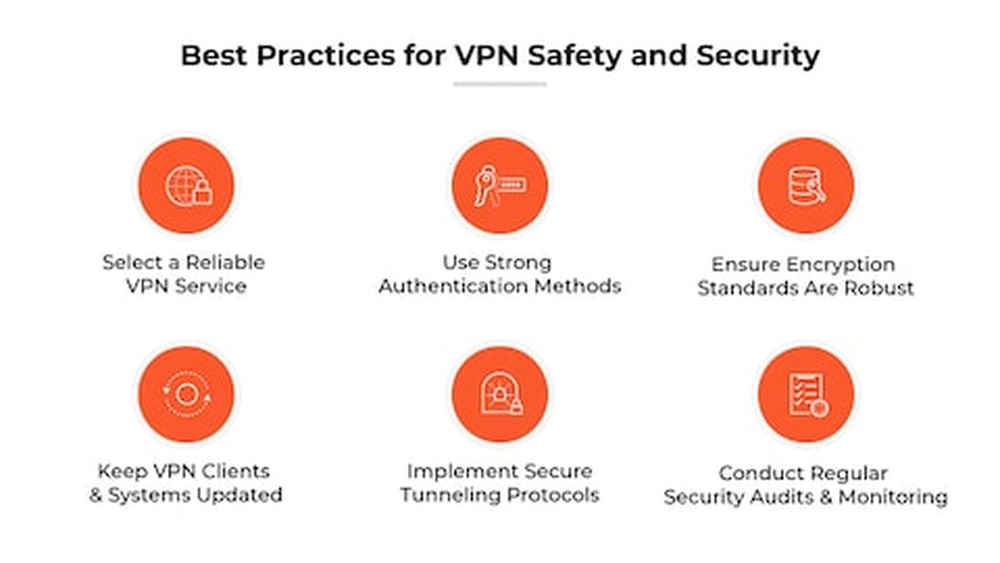
Using a VPN with data breach monitoring helps protect your online data. Following best practices boosts your security even more. Simple steps can reduce risks and keep your information safe.
Regular Password Updates
Change your passwords often. Set a schedule to update them every few months. Use strong passwords with letters, numbers, and symbols. Avoid easy passwords like “123456” or “password.”
Do not reuse passwords across different sites. Unique passwords stop hackers from accessing multiple accounts. Update passwords immediately if you hear about a breach.
Using Multi-factor Authentication
Multi-factor authentication (MFA) adds a second step to login. It asks for a code sent to your phone or email. MFA makes it harder for attackers to break in.
Turn on MFA for all important accounts. This extra layer protects your data even if your password is stolen. Most services support MFA and offer easy setup guides.
Common Myths About Vpn And Breach Monitoring
Many people believe false ideas about VPNs and breach monitoring. These myths cause confusion about online safety. Understanding the truth helps protect your data better.
VPNs and breach monitoring are tools for online security. Yet, they have limits. Knowing what they can and cannot do is key.
Vpn Guarantees Complete Anonymity
Some think a VPN hides everything about them online. This is not true. A VPN changes your IP address and encrypts data. It helps keep your activity private on public Wi-Fi.
But VPNs do not make you invisible. Websites can still track you with cookies. Your VPN provider might keep logs. Complete anonymity requires more than just a VPN.
Breach Monitoring Prevents All Attacks
Breach monitoring alerts you if your data leaks online. It scans databases and warns of breaches. People assume it stops all cyberattacks. This is wrong.
Breach monitoring does not block hacks. It only informs you after a breach happens. You still need strong passwords and security habits. Early alerts help, but they do not prevent every attack.
Credit: www.volexity.com
Frequently Asked Questions
What Is Vpn With Data Breach Monitoring?
A VPN with data breach monitoring checks if your info is leaked online. It helps you act fast to protect your accounts. This service adds an extra layer of security.
How Does Data Breach Monitoring Improve Vpn Safety?
Data breach monitoring alerts you about stolen data linked to your identity. It helps prevent hackers from misusing your info. This feature keeps your online activities safer.
Can Vpns Detect If My Data Was Hacked?
Yes, some VPNs scan for breaches involving your email or passwords. They notify you quickly so you can change details. This reduces the risk of identity theft.
Conclusion
A VPN with data breach monitoring keeps your information safer online. It alerts you quickly if your data is exposed. This helps you act fast and protect your accounts. Using both tools together gives extra security and peace of mind.
Stay aware and stay safe in today’s digital world. Protecting your privacy is easier with the right tools. Choose a VPN that watches for data leaks. Your online safety matters every day.