Are you struggling to boost your website’s visibility? Wondering why your SEO efforts aren’t paying off?
The answer might lie in how well you understand your site’s strengths and weaknesses. That’s where SEO audit software comes in. It’s like having a detailed health check-up for your website, showing you exactly what needs fixing to climb higher in search results.
Keep reading, and you’ll discover how the right tools can save you time, uncover hidden issues, and help you outrank your competition faster than you thought possible. Your website’s success starts here.

Credit: neurosys.com
What Is SEO Audit Software?
SEO audit software analyzes your website and identifies issues that affect your search rankings.
These tools typically check:
- Site speed
- Broken links
- Technical SEO errors
- On-page SEO issues
Instead of manually checking everything, the tool gives you a clear report with fixes.
Why Seo Audits Matter
SEO audits are a key part of any website strategy. They help check how well a site performs on search engines. Regular audits catch problems early. This keeps your website healthy and visible.
SEO audit software makes this process faster and easier. It scans your entire site and points out areas needing improvement. This saves time and helps you focus on what matters most.
Impact On Search Rankings
Search engines use many rules to rank websites. SEO audits find issues that lower your ranking. Fixing these problems improves your site’s position on search results. Higher rankings bring more visitors and potential customers.
Identifying Website Issues
Many hidden problems hurt your website’s performance. Broken links, slow pages, or missing tags confuse search engines. SEO audit software finds these issues quickly. You can fix them before they cause damage.
Tracking Seo Performance
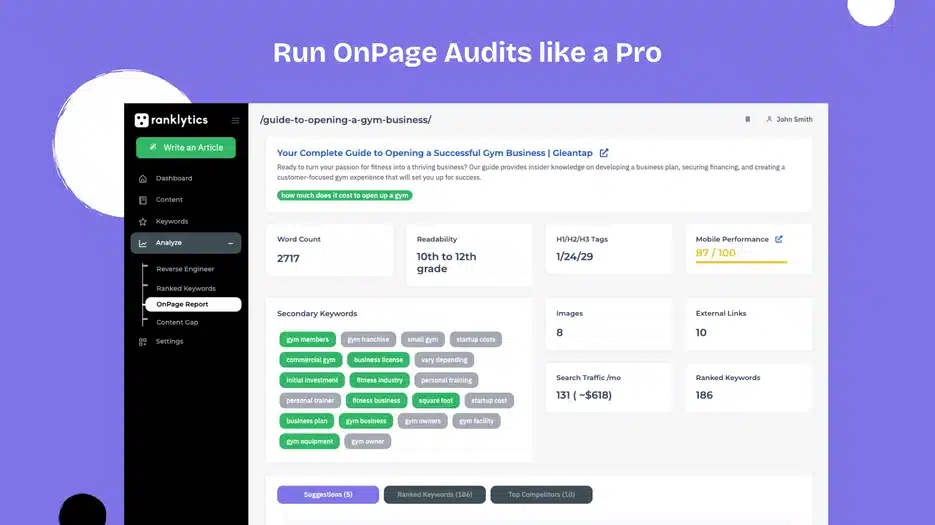
SEO is not a one-time task. It needs constant monitoring and updating. SEO audit software tracks changes over time. It shows what works and what needs work. SEO audit software tracks changes over time. It shows what works and what needs work. For example, tools like Ranklytics help monitor keyword rankings and SEO performance easily. This helps you improve your website step by step.
The SEO Audit Tools I Tested
Here are the tools included in this comparison:
- Ahrefs
- SEMrush
- Ubersuggest
- Moz
- Ranklytics
- Screaming Frog
- Google Search Console
Each tool was tested based on usability, features, and value.
1. Ahrefs (Best for Advanced SEO)
Ahrefs offers one of the most detailed site audit tools available.
What stood out:
- Deep technical analysis
- Large backlink database
- Accurate issue detection
Downsides:
- Expensive
- Not beginner-friendly
Best for professionals and agencies.
2. SEMrush (All-in-One SEO Suite)
SEMrush provides a complete SEO toolkit, including auditing.
What stood out:
- Comprehensive reports
- Integration with other marketing tools
- Strong competitor analysis
Downsides:
- Complex interface
- High cost
Best for advanced users who want everything in one place.
3. Ubersuggest (Balanced for Beginners)
Ubersuggest is a more accessible alternative.
What stood out:
- Simple interface
- Affordable pricing
- Basic audit features
Downsides:
- Limited depth compared to premium tools
Best for beginners who want a balance between simplicity and features.
4. Moz (Reliable and Established)
Moz has been around for years and remains a trusted name.
What stood out:
- Clear reporting
- Good technical insights
- Reliable performance
Downsides:
- Not as feature-rich as competitors
Best for users who prefer a stable and trusted platform.
5. Ranklytics (Simple and Budget-Friendly)
Ranklytics is not a full technical audit tool, but it includes basic site checks.
What stood out:
- Easy to use
- Clean dashboard
- Affordable pricing
Downsides:
- Limited technical depth
- Not a full replacement for advanced audit tools
Best for beginners who want simple insights without complexity.
6. Screaming Frog (Technical Power Tool)
Screaming Frog is a desktop-based SEO crawler.
What stood out:
- Extremely detailed site analysis
- Full control over crawling
- Powerful technical insights
Downsides:
- Steep learning curve
- Not beginner-friendly
Best for technical users and SEO professionals.
What stood out:
- Extremely detailed site analysis
- Full control over crawling
- Powerful technical insights
Downsides:
- Steep learning curve
- Not beginner-friendly
Best for technical users and SEO professionals.
7. Google Search Console (Free and Essential)
Google Search Console is a free tool directly from Google.
What stood out:
- Real data from Google
- Indexing and performance reports
- Completely free
Downsides:
- Limited explanations
- Requires manual interpretation
Essential for every website owner.
Which SEO Audit Tool Is Best for You?
The right tool depends on your experience level.
For beginners:
- Ranklytics
- Ubersuggest
For intermediate users:
- Moz
For advanced users:
- Ahrefs
- SEMrush

Key Features Of Seo Audit Software
SEO audit software helps website owners find and fix problems that affect search rankings. It checks many parts of a website quickly and gives clear reports. Understanding key features of this software helps choose the right tool for your needs.
Site Crawl And Error Detection
This feature scans all pages on a website. It finds broken links, missing tags, and duplicate content. Detecting these errors early stops search engines from lowering your ranking. It also shows how search engines see your site.
Backlink Analysis
Backlinks are links from other sites to yours. This tool checks the quality and number of backlinks. It helps spot bad links that might harm your site. Good backlinks improve your site’s authority and rank better in search results.
Keyword Tracking
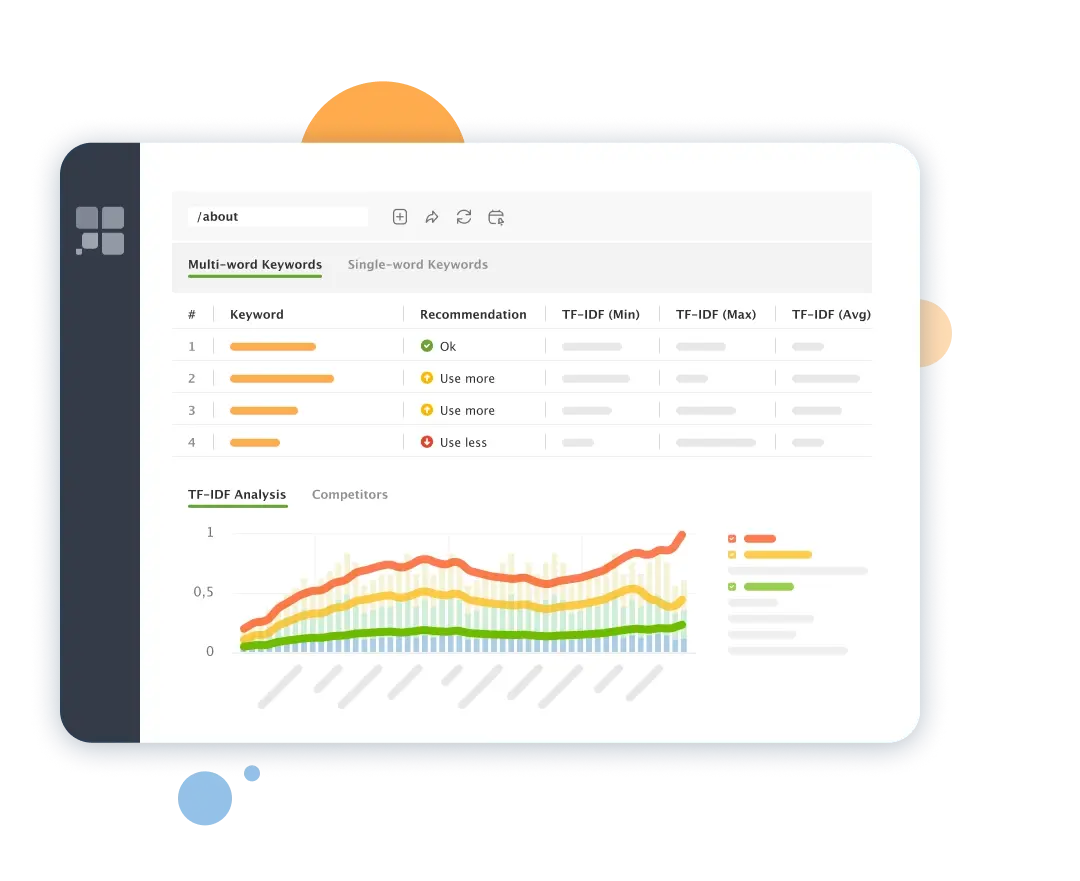
Keyword tracking monitors how your site ranks for chosen keywords. Tools such as Ranklytics keyword tracking make it easier to follow ranking changes and improve strategy. It shows if your SEO efforts improve your position over time. Tracking keywords helps focus on the terms that bring the most visitors. This keeps your content relevant to searchers.
Competitive Analysis
This feature compares your site with competitors. It reveals their strengths and weaknesses in SEO. You learn which keywords they use and how they get backlinks. This information guides your strategy to stay ahead in search results. You can also compare tools in detail using this Ranklytics vs Ahrefs comparison.
Mobile And Speed Testing
Mobile and speed testing check how fast your site loads on phones and computers. Fast sites keep visitors and get better search rankings. Mobile-friendly design is important as most users browse on phones. These tests help improve user experience and SEO.
Choosing The Right Tool For Your Needs
Choosing the right SEO audit software can shape your website’s success. Each tool offers unique features and fits different needs. Picking the best match saves time and improves your SEO results. Platforms like Sitebehaviour analytics help you understand how visitors interact with your site.
Budget Considerations
Set a clear budget before exploring software options. Some tools cost more but offer many features. Others are cheaper but cover only basics. Balance cost with the features you really need. A free trial helps test value without spending.
Business Size And Complexity
Small websites need simple tools with easy reports. Large businesses may require advanced features and detailed analysis. Complex sites benefit from software that handles many pages and keywords. Match tool capabilities to your site’s size and goals.
Integration With Other Platforms
Check if the software works well with your other tools. Linking with Google Analytics or CMS can save time. Smooth data sharing improves workflow and reporting. Choose software that fits your existing marketing stack.
User Experience And Support
A user-friendly interface makes audits easier to run. Clear reports help understand problems quickly. Good customer support can solve issues fast. Look for tools with guides, tutorials, and responsive help teams.
Maximizing Results With Seo Audit Software
SEO audit software helps find issues that affect your website’s ranking. Using this tool well can improve your site’s health and visibility. It guides you on what needs fixing and where to focus your efforts. This section explains how to get the best results from SEO audit software.
Regular Audit Scheduling
Set a fixed time for SEO audits. Regular checks catch problems early. They keep your site updated with search engine rules. Frequent audits help maintain steady website performance. Avoid waiting until issues become big problems.
Prioritizing Fixes
Not all SEO issues are equally urgent. Focus first on problems that affect user experience and site speed. Fix major errors like broken links and missing tags early. Smaller issues can wait. This approach saves time and improves results faster.
Using Data For Content Strategy
SEO audit software gives insights into your content’s strengths and weaknesses. Use this data to create better articles and pages. Find keywords that work well and gaps to fill. Update old content to keep it relevant. Data-driven content performs better in search results.
Monitoring Competitor Changes
Keep an eye on your competitors’ websites with audit tools. Notice changes they make to improve SEO. Learn from their strategies and avoid their mistakes. This helps you stay competitive and adjust your tactics quickly.

Credit: zapier.com
Future Trends In Seo Audit Tools
The world of SEO audit tools is evolving fast. New technology helps websites get better results. These tools now offer smarter ways to check SEO health. They help find problems and suggest fixes quickly. Trends in SEO audits focus on smarter, faster, and deeper analysis. Let’s explore key trends shaping the future of SEO audit tools.
Ai And Machine Learning Integration
AI and machine learning improve SEO audits by understanding data better. These tools learn from past audits to spot issues fast. They can predict SEO problems before they happen. AI helps analyze large websites with many pages. It also finds hidden SEO errors that humans might miss.
Voice And Visual Search Optimization
Voice search grows with smart speakers and mobile use. SEO audit tools now check how well a site works for voice queries. Visual search is also rising, using images to find products or info. Future tools will check if your site is ready for these searches. They test how content matches voice and image search needs.
Automation And Reporting Enhancements
Automation saves time by running regular SEO checks automatically. Tools create clear reports that anyone can understand. These reports highlight key issues and show progress over time. Enhanced reporting helps teams focus on the most important fixes. Automation also allows quick updates when search engines change rules.
Cross-platform Seo Insights
People use many devices and platforms to browse online. Future SEO tools provide insights across websites, apps, and social media. They show how SEO performs on each platform. This helps create better strategies for all digital channels. Cross-platform insights ensure a consistent SEO approach everywhere.
Credit: www.link-assistant.com
What I Learned After Testing
After testing all these tools, one thing became clear:
You don’t need the most powerful tool—you need the right one for your level.
Many beginners make the mistake of jumping into expensive tools they don’t fully understand.
Starting simple and upgrading later is often the better strategy.
Final Verdict
SEO audit tools are essential if you want to grow your website.
But not all tools are built the same.
- If you want deep technical insights, go with advanced tools
- If you want simplicity and affordability, start with something like Ranklytics
The key is to take action on the data, not just collect it.
Frequently Asked Questions
What Is Seo Audit Software Used For?
SEO audit software checks websites for SEO problems. It helps find issues like broken links, slow pages, and missing tags. This makes it easier to improve search engine rankings.
How Does Seo Audit Software Improve Website Ranking?
It finds and fixes SEO errors that hurt rankings. The software suggests changes for better site speed and structure. This helps search engines understand the website better.
Which Features Are Important In Seo Audit Software?
Look for features like site crawling, keyword analysis, and backlink tracking. Reporting tools and user-friendly dashboards also matter. These features help spot and fix SEO issues quickly.
Conclusion
Choosing the right SEO audit software saves time and effort. It helps find website issues fast. Fixing these issues improves your site’s ranking. Regular audits keep your SEO strategy strong. Simple tools can give big insights. Start small and grow your website’s health. If one tool does not meet your needs, exploring Ranklytics alternatives can help you find better options.
Stay consistent and watch your traffic grow. SEO audits are key to online success.