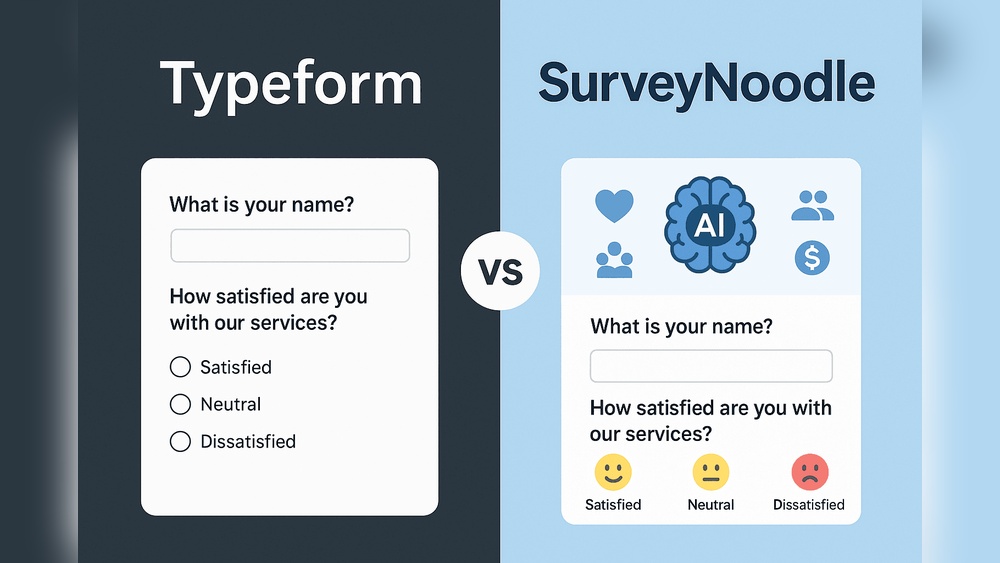
Choosing the right survey tool can make a huge difference in how you collect feedback and understand your audience. If you’re torn between Surveynoodle and Typeform, you’re not alone.
Both offer great features, but which one fits your needs better? You’ll discover the key differences that matter most to you—ease of use, design, pricing, and more. Keep reading Surveynoodle vs Typeform article and by the end, you’ll feel confident about picking the perfect tool to boost your surveys and get the answers you need.
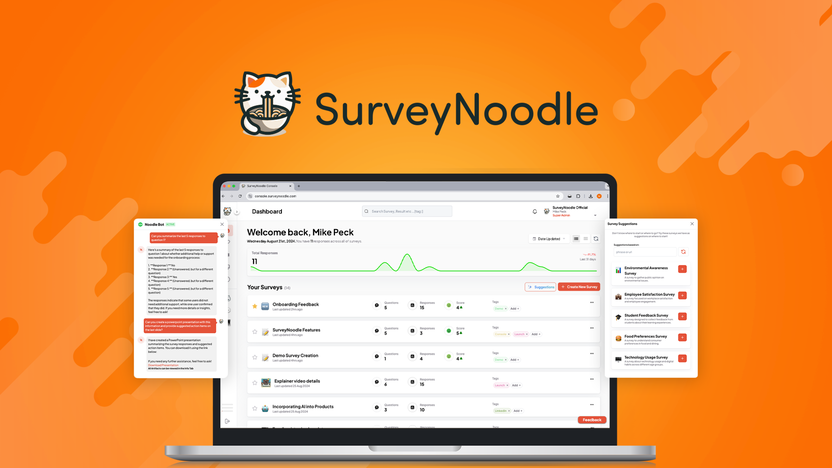
Surveynoodle vs Typeform Comparison 2026
Choosing the right survey tool helps collect accurate data. Surveynoodle and Typeform are popular choices. Each offers unique features and benefits. This comparison breaks down key aspects. It aims to help you pick the best tool for your needs.
Feature Overview
Surveynoodle offers basic survey types. It supports multiple question formats like multiple choice and text input. Typeform provides interactive surveys with smooth transitions. It includes quizzes and payment collection options. Both tools support data export and integrations with other apps.
User Experience
Surveynoodle has a simple interface. Beginners find it easy to start quickly. Typeform focuses on design and flow. It creates engaging forms that keep users interested. Both tools work well on mobile devices. Typeform’s design is more polished and modern.
Customization Options
Surveynoodle allows basic color and font changes. It offers templates for faster setup. Typeform provides more design flexibility. Users can adjust layouts, colors, and backgrounds. Typeform supports custom branding for a professional look. Surveynoodle’s options suit simple needs better.
Pricing Plans
Surveynoodle offers a free plan with limited features. Paid plans start at a low monthly cost. Typeform has a free tier with fewer responses allowed. Its paid plans are higher but include advanced features. Choose based on your budget and feature needs.
Survey Creation
Creating surveys that engage respondents is key to collecting useful data. Survey creation tools like Surveynoodle and Typeform offer different features. These features help users build surveys quickly and easily. Understanding their strengths in survey creation helps choose the best tool.
Question Types
Surveynoodle provides a range of question types. Users can add multiple choice, rating scales, and open-ended questions. This variety suits simple and detailed surveys. Typeform offers similar question types but with more interactive options. Its interface makes answering feel like a conversation. Both tools cover basic needs well.
Template Availability
Surveynoodle offers several ready-made templates. These templates save time and guide survey structure. They focus on common survey goals like feedback and research. Typeform has a larger template library. It includes creative and business-focused templates. Templates in both tools help users start fast.
Design Flexibility
Surveynoodle keeps design simple and clean. Users can customize colors and fonts but with limits. This makes surveys look neat and consistent. Typeform allows more design control. Users can change layouts, add images, and use custom themes. This flexibility helps create unique survey experiences.
Data Collection
Collecting data is the core of any survey tool. Both Surveynoodle and Typeform offer strong features for gathering information. Understanding how each handles data collection helps choose the right one for your needs. This section covers key points like response tracking, integration, and mobile access.
Response Tracking
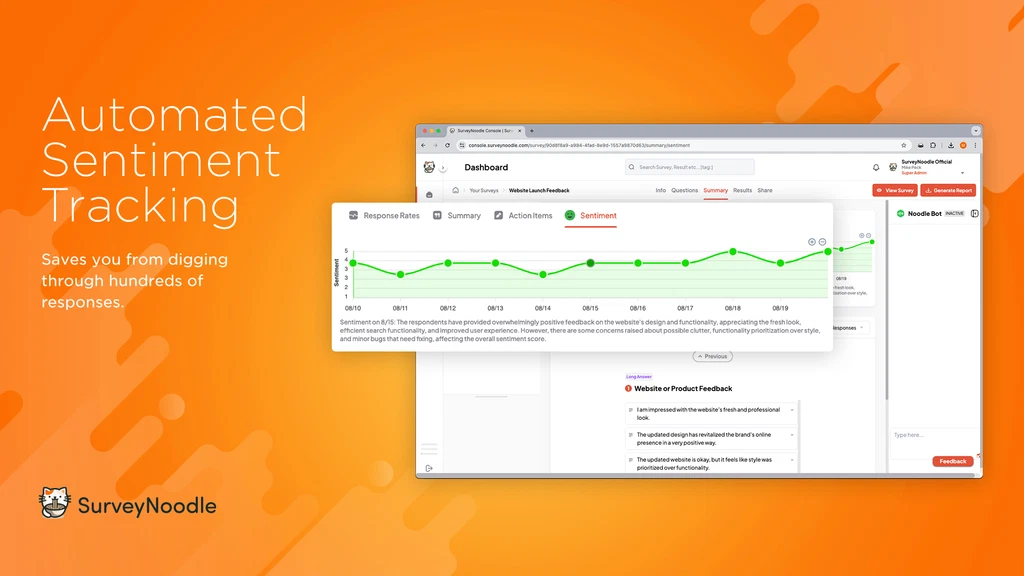
Surveynoodle tracks responses in real-time. It shows who answered and when. You can see progress easily. Typeform also offers live response tracking. It provides detailed reports and charts. Both platforms help monitor data collection without delay. Surveynoodle focuses on simplicity. Typeform offers more visual insights.
Integration Capabilities
Surveynoodle connects with popular apps like Google Sheets and Zapier. This makes data handling smooth and automatic. Typeform supports many integrations too. It works well with tools like Slack, Mailchimp, and HubSpot. These connections help send data directly to other platforms. Both tools reduce manual work and save time.
Mobile Accessibility
Surveynoodle surveys are mobile-friendly. They load fast on phones and tablets. Typeform is known for its mobile experience. Its forms adapt well to small screens. Users find it easy to answer on the go. Both tools ensure data collection can happen anywhere. This helps get more responses from mobile users.
Analytics And Reporting
Analytics and reporting are vital for understanding survey results clearly. They help you see patterns and make decisions based on data. Both Surveynoodle and Typeform offer tools to analyze responses effectively. These tools differ in how they show data, what export options are available, and the speed of insights.
Data Visualization
Surveynoodle provides clear charts and graphs to display data. It uses bar charts, pie charts, and line graphs to make results easy to understand. Typeform also offers visual reports but with a more modern look. Its visuals are interactive, helping users explore data in detail. Both platforms focus on simplicity but vary in style and options.
Export Options
Surveynoodle allows exporting data in common formats like CSV and Excel. This makes it easy to share results or use them in other tools. Typeform supports similar export options and adds integrations with apps like Google Sheets. These features help users move data smoothly between platforms. Exporting is straightforward in both tools.
Real-time Insights
Surveynoodle delivers real-time updates as new responses arrive. This helps track trends quickly without delay. Typeform also shows real-time data but includes instant notifications for new answers. Quick feedback is useful for timely actions. Both services keep you informed while surveys are live.
Customer Support
Customer support plays a key role in choosing the right survey tool. It helps users solve problems fast and use the software with confidence. SurveyNoodle and Typeform offer different support options. Let’s explore their strengths in customer service.
Support Channels
SurveyNoodle provides email support and a help center with articles. Users can find answers and submit tickets. Typeform offers email support, live chat, and a detailed knowledge base. Live chat allows quick help during business hours.
Response Time
SurveyNoodle usually replies within 24 to 48 hours. This speed suits users with less urgent questions. Typeform tends to respond faster, often within a few hours. Fast replies help keep projects moving smoothly.
User Community
Typeform has an active user community online. Forums and social media groups share tips and solutions. SurveyNoodle’s community is smaller but growing steadily. Both platforms benefit from user discussions and shared experiences.

Credit: surveynoodle.com
Pros And Cons
Choosing between Surveynoodle and Typeform means weighing their strengths and weaknesses. Each tool offers different benefits that suit various needs. Knowing these pros and cons helps decide which fits your project best.
Surveynoodle Strengths
Surveynoodle has a simple and clean interface. It makes survey creation quick and easy. The platform offers strong customization options for questions. It supports multiple question types to gather diverse data. Surveynoodle integrates well with many apps. This helps streamline your workflow. The pricing is affordable for small businesses. It also provides clear analytics for results. Here is a Surveynoodle Review.
Surveynoodle Weaknesses
Surveynoodle has fewer design templates compared to competitors. The mobile experience can feel less polished. Some advanced features are missing for deep analysis. It lacks extensive customer support options. The reporting tools are basic and may not fit complex needs.
Typeform Strengths
Typeform offers very user-friendly and attractive forms. Its design focuses on great user experience. It provides many templates to choose from. The platform supports logic jumps for smarter surveys. Typeform integrates with many popular tools easily. It offers detailed analytics and reporting features. The mobile forms work smoothly on all devices.
Typeform Weaknesses
Typeform is more expensive than many other survey tools. Some users find the interface overwhelming at first. Advanced features require higher-priced plans. Limited offline functionality can be a drawback. The free plan has strict response limits.
Best Use Cases
Choosing the right survey tool depends on the specific needs of your project. Both Surveynoodle and Typeform offer unique features suited for different situations. Understanding their best use cases helps pick the ideal option. Want Surveynoodle alternatives? it might help you.
Small Businesses
Surveynoodle fits small businesses with simple survey needs. It offers easy setup and budget-friendly plans. The tool supports quick feedback collection from customers and employees. Typeform provides stylish forms that engage users well. Small businesses valuing design and user experience may prefer Typeform.
Enterprise Solutions
Typeform suits large enterprises requiring complex surveys and integrations. It handles high volumes of responses smoothly. Surveynoodle also supports enterprise needs but focuses on straightforward data collection. Enterprises needing advanced analytics and branding often choose Typeform.
Educational Institutions
Surveynoodle works well for schools and universities with basic survey tasks. It simplifies gathering student and staff feedback. Typeform offers interactive surveys that can keep students engaged. Educational institutions aiming for creative surveys may find Typeform helpful.
Marketing Campaigns
Typeform excels in marketing campaigns with its interactive design. Marketers can create quizzes and surveys that capture attention. Surveynoodle handles standard feedback collection efficiently. Campaigns focusing on strong visual appeal benefit from Typeform’s features.
Why Surveynoodle Is the Smarter Choice Over Typeform in 2026
If you’re trying to pick a winner between Surveynoodle and Typeform, here’s the honest truth: Surveynoodle is built for people who actually want results, not just pretty forms.
Why Surveynoodle Wins for Most Users
Let’s start with what really matters—getting responses and turning them into action. Typeform is popular for its sleek design, but Surveynoodle goes deeper where it counts.
1. Built for Conversions, Not Just Looks
Typeform focuses heavily on aesthetics. Surveynoodle, on the other hand, is designed to increase response rates and collect meaningful data. Its structure, logic, and flow are optimized for engagement—not just visual appeal.
2. Smarter Insights Without the Complexity
Surveynoodle gives you clear, actionable insights without overwhelming dashboards. You don’t need to be a data expert to understand what your audience is telling you. That’s a huge advantage if you want to move fast.
3. Budget-Friendly (Huge Advantage via AppSumo)
This is where Surveynoodle really pulls ahead.
With AppSumo deals, you often get lifetime access for the price of a few months of Typeform. But is Surveynoodle Worth Buying on AppSumo?
No recurring fees
No worrying about scaling costs
Perfect for startups, bloggers, and small businesses
Typeform can get expensive quickly as your responses grow. Surveynoodle removes that stress completely.
4. Perfect for Beginners and Non-Tech Users
Surveynoodle keeps things simple. You can create surveys quickly without learning curves, making it ideal if you’re just starting out or don’t want to waste time figuring things out.
5. More Control for Lead Generation
If your goal is to capture leads, validate ideas, or grow your business, Surveynoodle gives you more practical control compared to Typeform’s design-first approach.
When Surveynoodle Is the Better Choice
Surveynoodle is clearly the better option if you:
- Want a cost-effective alternative to Typeform
- Care about results over design
- Need simple, fast survey creation
- Prefer a lifetime deal instead of monthly payments
- Are running a startup, blog, or small business
Final Verdict
Typeform is great if you want something visually polished.
But if your goal is to save money, get better insights, and actually grow, Surveynoodle is the smarter investment.
In 2026, tools that combine affordability + performance win—and Surveynoodle fits that perfectly.
Frequently Asked Questions
What Are The Main Differences Between Surveynoodle And Typeform?
Surveynoodle focuses on simple survey creation with quick setup. Typeform offers more design options and interactive forms. Both serve different user needs well.
Which Tool Is Better For Beginner-friendly Survey Creation?
Surveynoodle is easier for beginners due to its straightforward interface. Typeform has more features but needs some learning. Choose based on your comfort level.
Can Surveynoodle And Typeform Integrate With Other Apps?
Yes, both tools support integrations with popular apps like Google Sheets and Slack. This helps automate data collection and sharing. Integration options vary by plan.
Conclusion
Both Surveynoodle and Typeform offer solid survey tools. Surveynoodle suits users who want simplicity and quick setup. Typeform fits those who prefer sleek designs and interactive forms. Each tool has unique features that match different needs. Consider your goals and ease of use when choosing.
Try both to see which feels right for you. The best choice depends on your project type and audience. Choose what helps gather clear, useful feedback easily.