Choosing the right CRM software can transform how you manage your customers, boost your sales, and grow your business. But with so many options out there, finding the perfect fit for your needs can feel overwhelming.
What if you could discover the top CRM tools that not only streamline your daily tasks but also help you connect better with your clients? You’ll explore the leading CRM software that businesses of all sizes trust. Whether you’re aiming for powerful customization, ease of use, or seamless integrations, you’ll find the insights you need to make a smart choice.
Keep reading to unlock the secrets behind the top CRM software and take your customer relationships to the next level.
Leading Crm Platforms
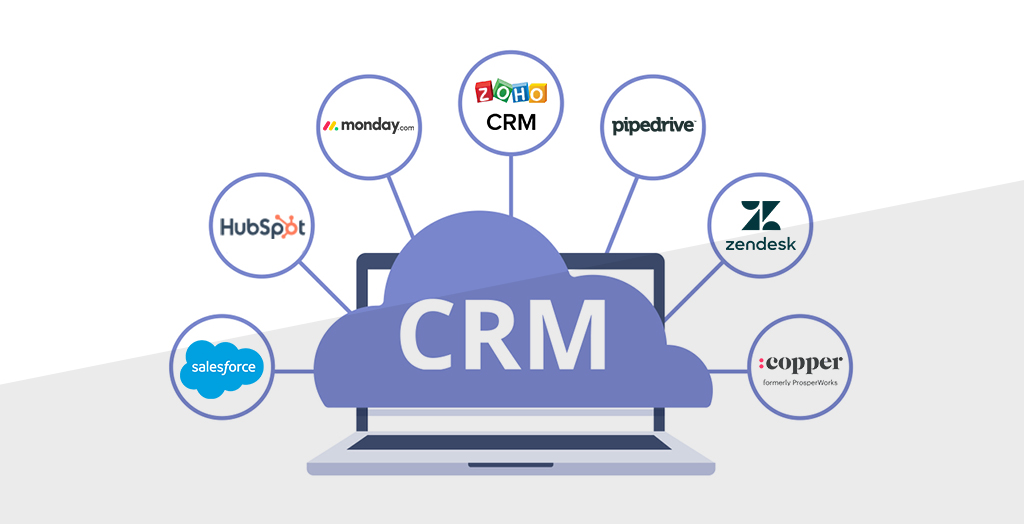
Leading CRM platforms help businesses manage customer relationships efficiently. They offer tools to track sales, marketing, and customer support activities. Choosing the right CRM can improve team collaboration and boost customer satisfaction. Here are some of the top CRM solutions available today.
Salesforce Features And Benefits
Salesforce is a top choice for many large businesses. It offers extensive customization to fit unique business needs. The platform supports sales automation, customer service, and marketing campaigns. Thousands of apps integrate with Salesforce, expanding its functionality. Its scalability suits companies of all sizes, though pricing may be higher for small businesses. You can also learn more about Salesforce here.
Hubspot For Marketing And Sales
HubSpot focuses on marketing and sales teams. It provides tools for email marketing, lead tracking, and content management. The platform offers a free plan with essential features for small businesses. HubSpot’s user-friendly design helps teams adopt it quickly. It also supports customer service with ticketing and chat options.
Zoho’s Customization And Pricing
Zoho CRM is known for flexible customization and transparent pricing. It offers plans for small businesses to large enterprises. Zoho includes sales automation, analytics, and AI-powered predictions. Its pricing is affordable, making it accessible for startups and growing companies. Zoho integrates well with other Zoho business apps. You can also learn more about Zoho CRM here.
Microsoft Dynamics Overview
Microsoft Dynamics CRM integrates well with other Microsoft products. It supports sales, marketing, and customer service processes. The platform offers AI tools for insights and automation. Microsoft Dynamics is suitable for medium to large businesses. It provides cloud and on-premise deployment options.
Oracle Netsuite And Sap Solutions
Oracle NetSuite and SAP offer robust CRM solutions for enterprises. They combine customer data with business management tools. These platforms support complex sales cycles and global operations. Oracle NetSuite is cloud-based and scalable for growing companies. SAP CRM integrates deeply with supply chain and finance systems.
Credit: www.aceinfoway.com
Specialized Crm Options
Specialized CRM options cater to unique business needs and workflows. They offer tailored features that suit specific industries or work environments. Choosing the right CRM can improve team productivity and customer relationships. These specialized tools often integrate well with other software to streamline operations.
Copper Crm And Google Workspace
Copper CRM is built to work seamlessly with Google Workspace. It integrates directly with Gmail, Calendar, and Drive. Users can manage contacts and track sales without leaving their inbox. This CRM suits small to medium teams who rely on Google apps daily. Its simple interface reduces the learning curve for new users.
Monday.com’s Visual Interface
monday.com stands out with its visual and intuitive interface. It uses boards, timelines, and calendars to organize tasks and projects. Teams can customize workflows with drag-and-drop ease. This CRM helps users see progress at a glance. Its flexibility fits various industries and team sizes.
Gohighlevel For Agencies
GoHighLevel targets marketing agencies with all-in-one features. It combines CRM, marketing automation, and funnel building tools. Agencies can manage clients and campaigns from one platform. The option to white-label the software makes it ideal for reselling. GoHighLevel simplifies client management and lead generation.
Choosing Crm By Business Size
Choosing the right CRM depends on your business size. Small startups have different needs than large enterprises. The CRM should fit your team size, budget, and goals. A suitable CRM helps you manage customers better and grow efficiently.
Each business size requires specific features and flexibility. Small businesses need simplicity and affordability. Growing teams want scalable options with collaboration tools. Enterprises require advanced customization and integration capabilities.
Best Crm For Small Businesses
Small businesses benefit from CRM tools that are easy to use. Look for solutions with simple setup and basic contact management. Affordable pricing is important to avoid overspending. CRMs like Zoho CRM and Bigin offer essential features for small teams. These tools help track leads, manage customer data, and automate simple tasks.
Solutions For Growing Teams
Growing teams need more collaboration and automation features. CRMs should support multiple users and integrate with other apps. Tools like HubSpot and Monday.com provide scalable options with marketing and sales support. These CRMs help teams coordinate better and handle increased customer interactions. Look for flexible pricing that grows with your team.
Enterprise Crm Recommendations
Large enterprises require highly customizable CRM systems. These tools handle complex workflows and large data volumes. Salesforce and Microsoft Dynamics are top choices for enterprises. They offer robust integrations and advanced analytics. Enterprises need CRM solutions that support multiple departments and global teams. Security and compliance features are also critical at this level.
Key Features To Consider
Choosing the right CRM software requires careful thought about specific features. These features impact how well the software fits your business needs. Focus on aspects that improve your workflow and support growth.
Below are key features to consider. Each one plays a role in making your CRM experience effective and smooth.
Customizability And Scalability
Customizability lets you tailor the CRM to your business processes. You can add fields, change layouts, and create custom reports. Scalability means the software grows with your company. It handles more users and data without slowing down. A CRM that adapts to change saves time and money.
Integration With Existing Tools
Check if the CRM connects easily with tools you already use. This includes email, calendars, marketing, and accounting software. Good integration reduces manual work and errors. It creates a seamless flow of information across platforms. Integration boosts productivity and keeps teams aligned.
User Experience And Ease Of Use
A simple and clear interface helps users adopt the CRM quickly. Look for software with intuitive navigation and helpful guides. Training time decreases when the CRM is easy to use. A good user experience encourages daily use and data accuracy.
Pricing Models And Contracts
Review the pricing structure carefully. Some CRMs charge per user, others offer flat rates. Watch for hidden fees or long-term contracts. Flexible plans allow you to scale without high costs. Choose a pricing model that fits your budget and growth plans.
Trends In Crm Adoption
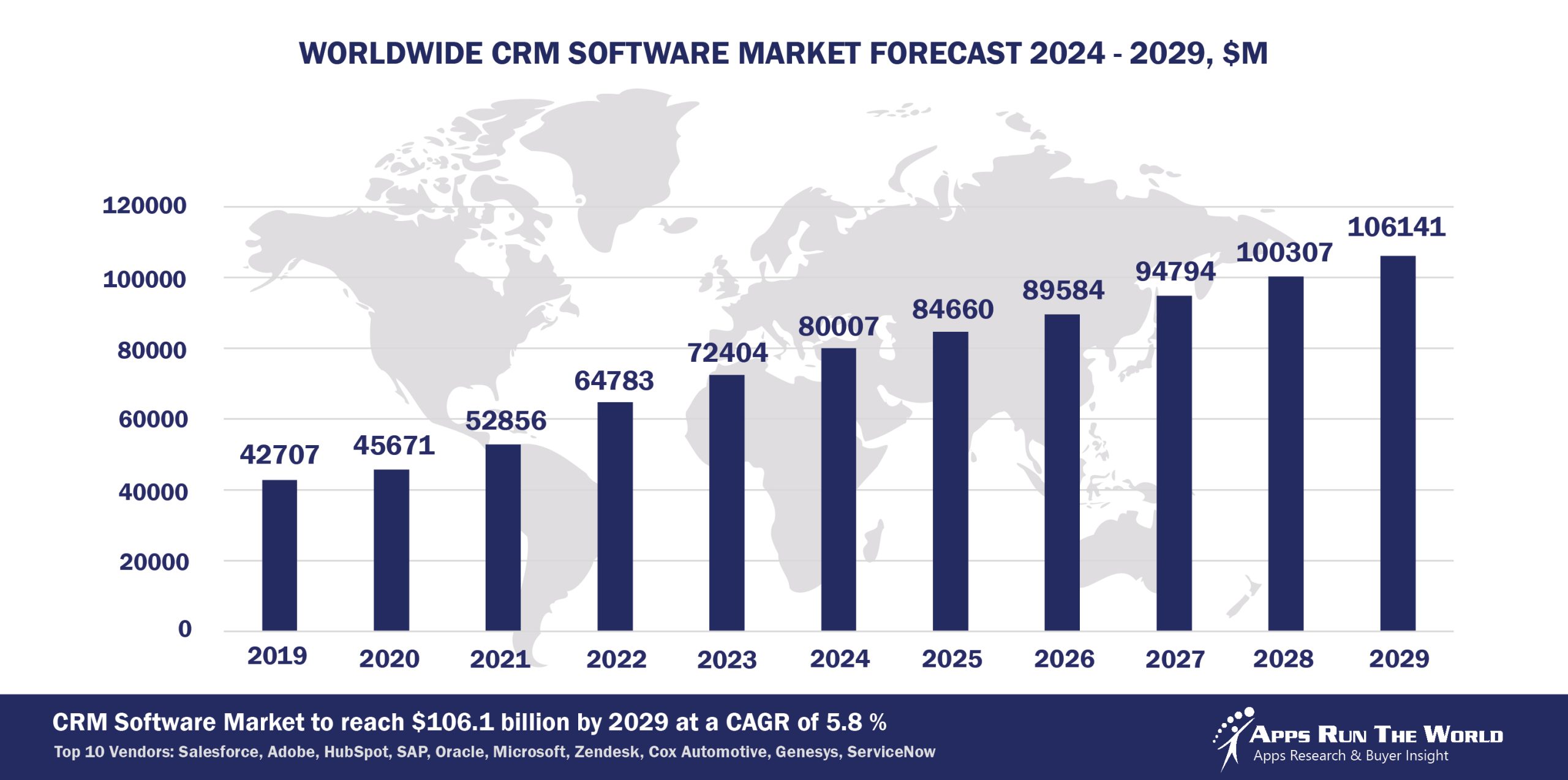
Customer Relationship Management (CRM) software adoption is evolving rapidly. Businesses of all sizes seek tools to improve customer engagement and streamline operations. Observing current trends helps companies choose the right CRM for their needs.
New technologies and tailored solutions are shaping how organizations use CRM platforms. Understanding these trends reveals where the market is heading and what to expect in the near future.
Fastest Growing Crm Software
Salesforce remains a top choice due to its extensive features and flexibility. HubSpot grows fast, especially among marketing teams, thanks to its easy-to-use interface. Zoho CRM gains popularity for affordability and scalability. Microsoft Dynamics attracts companies already using Microsoft products. These CRM tools show strong growth by meeting diverse business needs effectively.
Industry-specific Crm Usage
Many industries now prefer CRM systems tailored to their unique challenges. Real estate CRMs help agents manage listings and client relationships. Healthcare CRMs focus on patient data security and appointment scheduling. Retail CRMs improve inventory management and customer loyalty programs. Industry-specific features enhance user experience and increase CRM adoption across sectors.
Future Of Crm Technology
Artificial intelligence is becoming a core CRM component. AI helps automate tasks like data entry and customer segmentation. Cloud-based CRMs offer better accessibility and lower costs. Mobile CRM apps let sales teams update data on the go. Integration with other business tools improves workflow and data accuracy. The future points to smarter, more connected CRM systems.
Credit: www.appsruntheworld.com
Comparing Crm Pricing
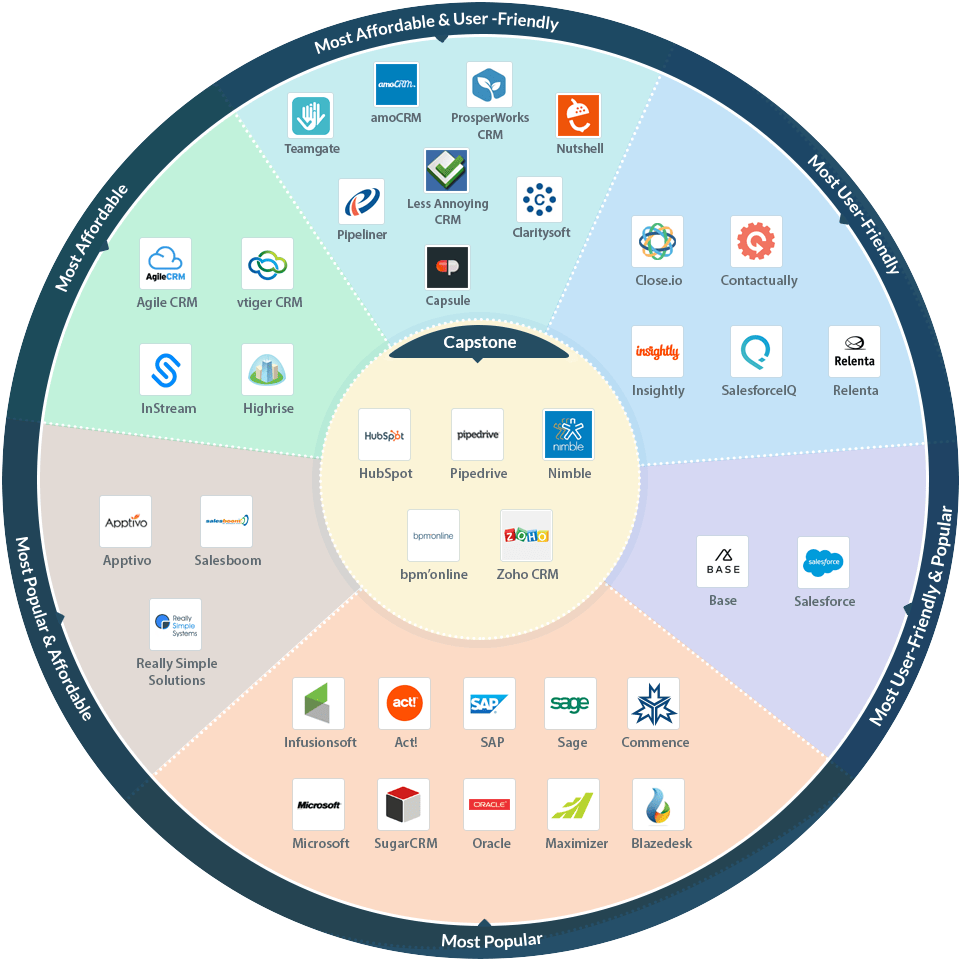
CRM pricing varies widely across providers and plans. Understanding the pricing tiers helps businesses select the right CRM. Pricing often depends on features, number of users, and support levels. Some CRMs offer free plans with basic tools, while others target large enterprises with advanced options. Let’s explore the pricing categories to find the best fit for your needs.
Free And Entry-level Options
Many CRM vendors offer free plans to attract small businesses. These plans usually limit users and features. Basic contact management, email tracking, and simple dashboards are common. Free plans suit startups or teams just starting with CRM software. They provide core tools without any cost. Entry-level paid plans often start around $10 to $15 per user each month. These add more features like task automation and integrations.
Mid-tier Crm Plans
Mid-tier plans target growing businesses with more advanced needs. Prices range from $25 to $50 per user monthly. These plans include workflow automation, analytics, and multi-channel support. Users get access to better customization and reporting tools. Mid-tier pricing often supports more extensive integrations with other software. This tier balances cost and functionality well for medium-sized teams.
Premium And Enterprise Pricing
Premium plans cater to large businesses and enterprises. Pricing starts around $75 per user per month and can rise significantly. These plans offer advanced security, AI tools, and dedicated support. Enterprises benefit from custom workflows and unlimited integrations. Contracts may require annual commitments and minimum user counts. Premium pricing ensures robust performance and scalability for complex operations.
Credit: www.nutshell.com
Frequently Asked Questions
What Is The Most Popular Crm Software?
Salesforce is the most popular CRM software due to its customizability, robust features, and extensive integrations. Other top CRMs include HubSpot, Zoho, and Microsoft Dynamics, catering to various business needs and sizes.
Which Is No 1 Crm?
Salesforce is the number one CRM, known for its powerful features, scalability, and extensive app integrations. It suits large enterprises best. Other top CRMs include HubSpot, Zoho, and Microsoft Dynamics, each offering unique strengths for various business needs.
Which Crm Is Best For Beginners?
HubSpot CRM is best for beginners due to its free plan, simple interface, and easy setup. Zoho CRM suits growing teams needing customization. Copper works well for Google Workspace users. These options offer user-friendly features ideal for those new to CRM software.
Conclusion
Choosing the right CRM software can improve your business organization. Top CRM tools offer features to manage sales, marketing, and customer support. Consider your business size and budget before deciding. Many options like Salesforce, HubSpot, and Zoho fit different needs.
Simple interfaces help teams adapt quickly and work efficiently. Good CRM software keeps customer data safe and easy to access. Use this guide to find the best CRM for your company’s growth. A smart choice today leads to better customer relationships tomorrow.