Are you confident your online privacy is truly safe? Simply using a VPN isn’t enough anymore.
Cyber threats are evolving, and hackers are finding new ways to sneak malware onto your devices. What if your VPN could do more than just hide your location? Imagine having a VPN that also blocks harmful viruses and keeps your data secure from sneaky attacks.
You’ll discover how a VPN with malware protection can be your ultimate shield online—and why it’s a game-changer for your digital safety. Keep reading to learn how to protect yourself better than ever before.
Credit: surfshark.com
Why Combine Vpn And Malware Protection
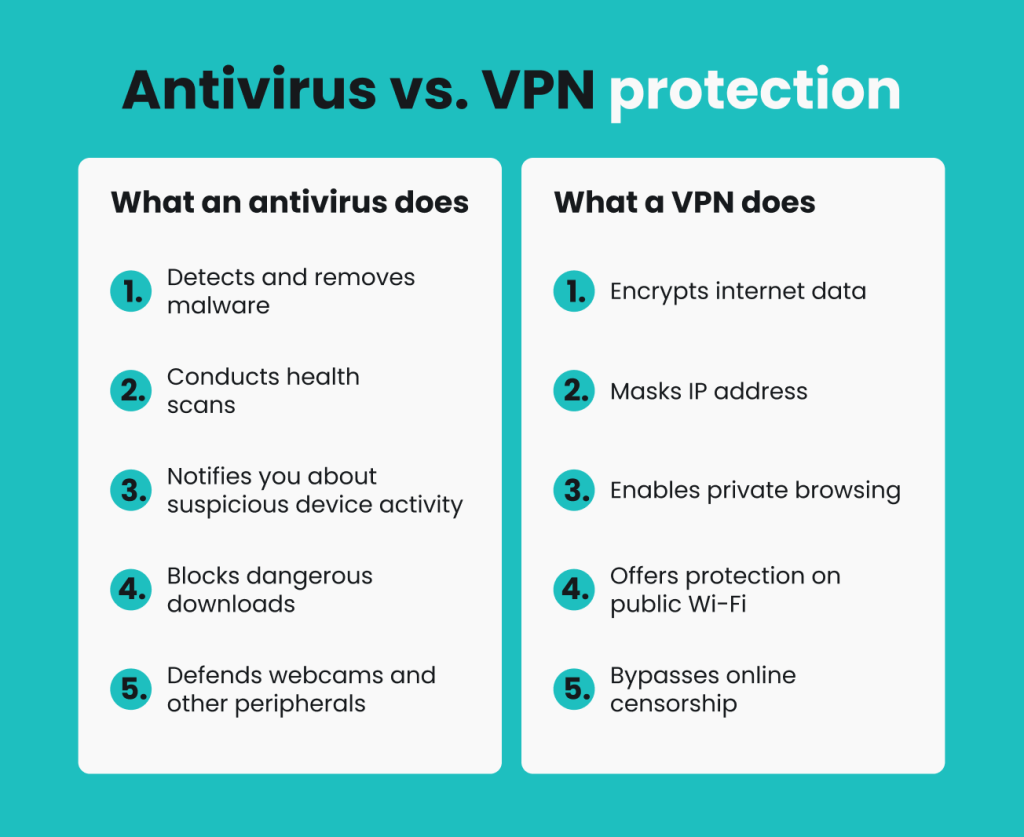
Combining a VPN with malware protection offers stronger online security. A VPN hides your IP and encrypts your data. Malware protection stops harmful software from damaging your device. Together, they create a safer internet experience.
Benefits Of Integrated Security
Using both tools together saves time and effort. You get privacy and safety in one package. It blocks hackers and harmful sites more effectively. Your personal data stays private and protected. This combination reduces the chance of cyber attacks. It also keeps your device free from viruses and spyware.
Risks Of Using Vpn Alone
A VPN alone cannot stop malware or viruses. It only hides your location and encrypts data. Malicious files can still enter your device. Hackers may use fake websites to steal your information. Without malware protection, you stay vulnerable to attacks. Your device and data remain at risk of harm.
How Vpns Enhance Online Privacy
VPNs play a key role in boosting online privacy. They protect your personal data from hackers and spies. Using a VPN means your internet activities stay private and secure. This helps prevent tracking by websites and third parties. The main ways VPNs enhance privacy include encrypting your data and hiding your IP address.
Encrypting Your Data
Encryption changes your data into a secret code. This code is hard to break by outsiders. VPNs encrypt all information sent from your device. This keeps your passwords, messages, and browsing history safe. Even if someone intercepts your data, they cannot read it. Encryption stops hackers from stealing sensitive details.
Hiding Your Ip Address
Your IP address shows your location and identity online. VPNs mask your real IP with a different one. This makes it hard to trace your internet activity back to you. Websites and advertisers cannot target you based on your location. Hiding your IP also helps avoid censorship and restrictions.
Role Of Malware Protection In Safe Browsing
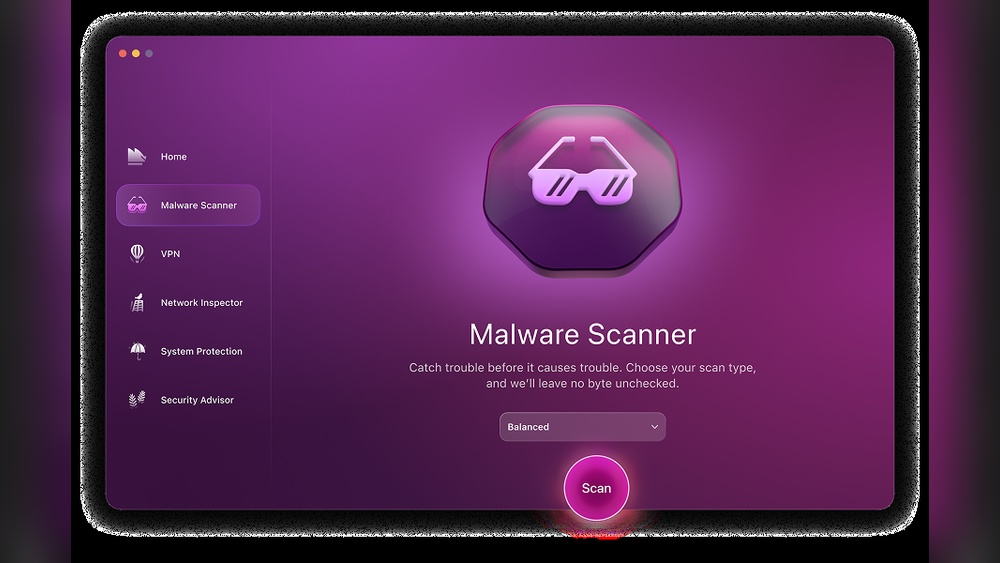
Malware protection plays a vital role in safe browsing. It helps keep your devices free from harmful software. This protection works quietly in the background. It stops threats before they reach your system. Safe browsing means avoiding websites and files that carry risks. Malware protection is your first line of defense online.
Detecting Malicious Software
Malware protection scans files and programs for harmful code. It recognizes viruses, spyware, and ransomware quickly. This detection prevents damage to your device and data. It also alerts you to suspicious activity. Early detection limits the harm malware can cause. It keeps your browsing experience secure and smooth.
Blocking Threatening Websites
Some websites host dangerous content or try to steal information. Malware protection blocks access to these risky sites automatically. It stops you from downloading infected files unknowingly. This blocking reduces chances of falling into traps like phishing scams. It creates a safer environment for browsing and online shopping.

Credit: www.shutterstock.com
Features To Look For In A Vpn With Malware Protection
Choosing a VPN with malware protection means more than just hiding your IP address. It should also guard your device from harmful threats. Key features make a VPN stand out in security and privacy. These features keep your online activities safe and your device clean from malware.
Real-time Threat Detection
Real-time threat detection scans for viruses and malware while you browse. It stops harmful files before they reach your device. This feature works quietly in the background. It keeps your connection safe without slowing you down.
Automatic Kill Switch
An automatic kill switch cuts your internet if the VPN drops. This stops your data from leaking outside the protected tunnel. It protects your identity and location at all times. This feature is crucial for safe online browsing.
Ad And Tracker Blocking
Ad and tracker blocking stops annoying ads and trackers from following you. It improves your browsing speed and protects your privacy. This feature also reduces the risk of malware hidden in ads. It creates a cleaner and safer online experience.
Top Vpns Offering Built-in Malware Protection
Choosing a VPN with built-in malware protection adds an extra layer of security. It helps block harmful sites and files before they reach your device. This feature is essential for safer browsing and online privacy. Several top VPNs include malware protection as part of their service.
These VPNs combine strong encryption with security tools. They protect against viruses, spyware, and other threats. Users benefit from both privacy and safer internet use. Below is a closer look at popular VPNs offering these features.
Popular Options And Their Strengths
Some VPNs stand out for their malware protection. NordVPN uses a feature called CyberSec. It blocks ads and malicious websites effectively. ExpressVPN offers split tunneling but relies on third-party antivirus apps. Surfshark includes CleanWeb that stops malware and phishing attempts. These VPNs also provide fast speeds and user-friendly apps.
Each VPN has strengths beyond malware protection. NordVPN is known for its large server network. Surfshark allows unlimited devices on one account. ExpressVPN offers easy setup on many devices. These features make them popular choices for everyday users.
Related: If you are also looking for affordable creative tools for your remote setup, check out our guide to unlimited design services.
Comparing Performance And Security
Performance varies among VPNs with malware protection. NordVPN offers strong security with fast and stable connections. Surfshark balances good speed with reliable malware blocking. ExpressVPN focuses on speed but needs extra antivirus support. All three use AES-256 encryption for data safety.
Security features differ slightly. NordVPN’s CyberSec actively blocks threats. Surfshark’s CleanWeb also filters harmful content. ExpressVPN relies more on external security layers. Choosing depends on your priorities for speed and protection.

Credit: www.ebay.com
Setting Up Your Vpn With Malware Protection
Setting up a VPN with malware protection is key for safe internet use. This setup blocks harmful sites and keeps your data private. It stops malware from sneaking into your device through unsafe connections. Follow clear steps to install and configure your VPN. Keep your online activity secure and worry-free.
Installation Steps
First, choose a VPN that offers malware protection. Download the app from the official website or app store. Open the installer and follow the simple instructions. Allow the app to make changes to your device if asked. Once installed, open the VPN app to start setup.
Configuring Security Settings
Inside the VPN app, find the settings or security tab. Turn on malware protection to activate scanning and blocking. Enable features like real-time protection and automatic updates. Set the VPN to start at device boot for constant safety. Adjust other options to fit your security needs.
Common Challenges And How To Overcome Them
Using a VPN with malware protection adds a strong layer of security. Still, users face some common challenges. Understanding these issues helps in handling them better. This section explains common problems and practical solutions.
Performance Impact
VPNs with malware protection can slow down internet speed. This happens because extra scanning uses more resources. Slow speeds may frustrate users during streaming or gaming.
To reduce this, choose VPNs with optimized servers. Some offer split tunneling to save bandwidth. Turning off malware scanning for trusted sites also helps.
False Positives In Malware Detection
Sometimes, safe files get flagged as malware. This causes confusion and blocks needed programs. False positives can interrupt work or downloads.
Users should update VPN software regularly. Updates improve detection accuracy. Adding trusted apps to an exception list prevents wrong blocks.
Best Practices For Safe Browsing
Browsing the internet safely requires smart habits and tools. Using a VPN with malware protection is a strong step. It helps keep your data safe and blocks harmful software. Still, safe browsing depends on your actions too. Follow these best practices to stay secure online.
Regular Software Updates
Keep your software up to date. Updates fix security holes hackers might use. This includes your operating system, browser, and apps. Set updates to install automatically. This way, you get the latest protections without delay. Old software can invite attacks and put your data at risk.
Avoiding Suspicious Links And Downloads
Be careful with links and downloads. Only click links from trusted sources. Suspicious links may lead to harmful sites or malware. Do not download files from unknown websites or emails. Malware often hides in these downloads. Always scan files with antivirus software before opening.
Frequently Asked Questions
What Is A Vpn With Malware Protection?
A VPN with malware protection blocks harmful software while you browse. It keeps your device safe from viruses and hackers. This adds extra security beyond regular VPN features.
How Does Malware Protection Work In A Vpn?
Malware protection scans websites and files for threats before they reach you. It stops malicious content from loading on your device. This helps prevent infections and data theft.
Can Vpn Malware Protection Replace Antivirus Software?
VPN malware protection helps but does not replace antivirus software. It provides basic threat blocking, but antivirus offers deeper scans and cleanup. Use both for the best security.
Conclusion
A VPN with malware protection keeps your online activity safe. It stops harmful software from entering your device. This adds an extra layer of security while you browse. You stay private and avoid many cyber threats. Choosing the right VPN helps protect your data and identity.
Safe internet use is easier with this simple step. Stay secure without slowing down your connection. Protect yourself from hackers and malware every time you go online. A good VPN is a smart choice for safer browsing.